

Archive · 18 Jul 2026
Gen Z Uses Fake Food Apps
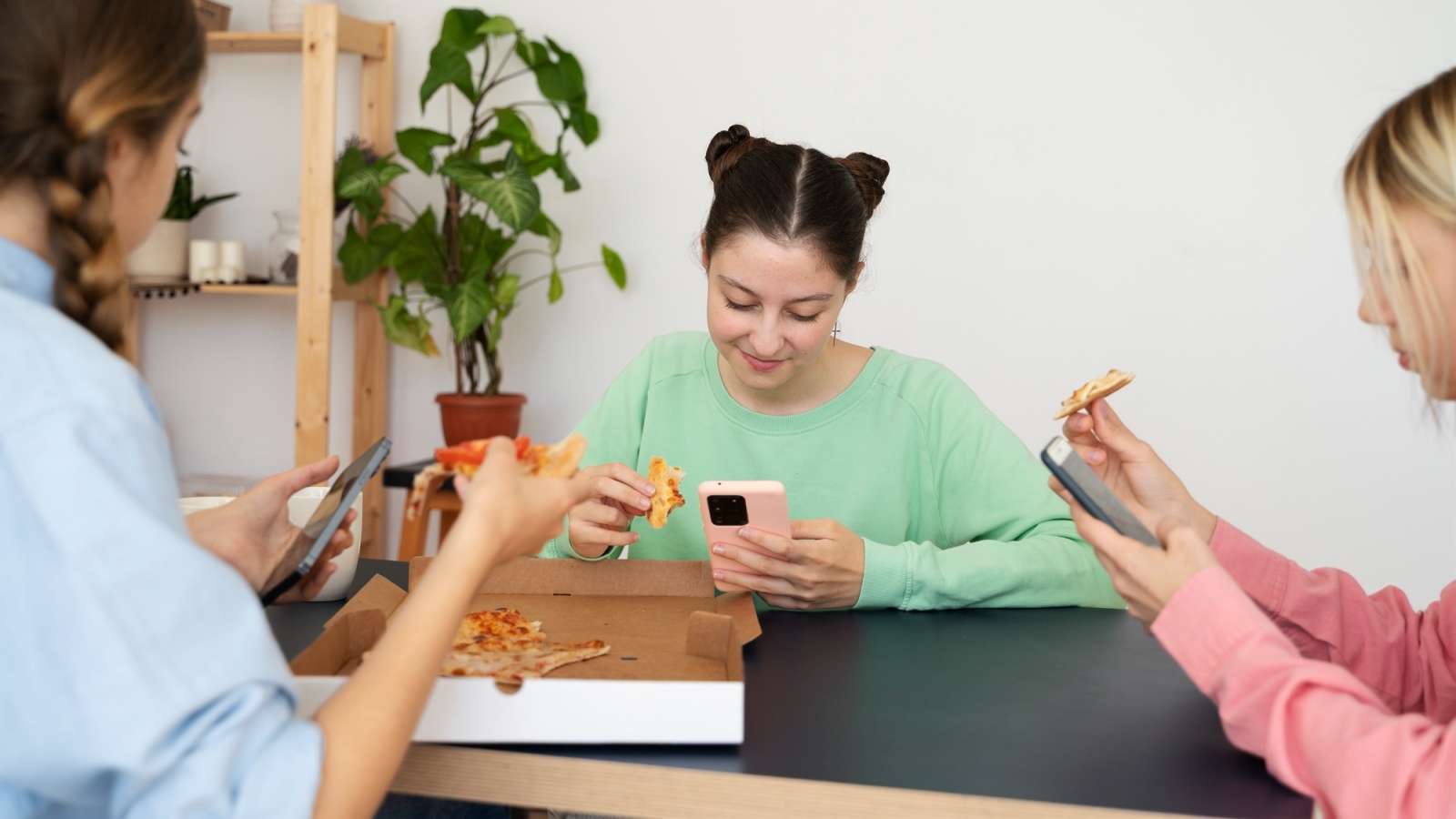
There's a new app called FoodNeverComes that lets you pretend to order food.
You can browse menus, customize your meal, and even track a delivery, but no food ever comes.
It's part of a group of apps called 'dopamine apps' that make you feel good just by pretending.
Experts say it's because our brains like the excitement of waiting for a reward, even if we never get it.
Some people think it might help stop impulse spending, but others worry it could make people use their phones too much.
It shows how much Gen Z enjoys the fun of waiting and the feeling of control, even if there's no real payoff.

FoodNeverComes is a viral app that simulates the experience of ordering food without delivering any.
The app is part of a growing category of 'dopamine apps' that provide satisfaction through anticipation.
Psychologist Arpita Kohli explains that the brain's reward pathways are activated by the act of choosing and expecting a reward.
While the app may help some people reduce impulse spending, there's little scientific evidence to support this.
Critics warn that frequent use of such apps could reinforce compulsive phone use and habitual reward-seeking.
- Who
- Gen Z users
- What
- Using the FoodNeverComes app to simulate ordering food without receiving it
- When
- Currently, as part of a growing trend
- Where
- South Korea, with potential global interest
- Why
- To experience the satisfaction of anticipation and the act of choosing without the actual reward
Proponents of Dopamine Apps
Critics of Dopamine Apps
Effectiveness in Reducing Impulse Spending
Proponents of Dopamine Apps
Proponents argue that simulating a purchase could help reduce impulsive food orders or unnecessary spending by delaying gratification.
Critics of Dopamine Apps
Critics warn that frequent exposure to these apps may reinforce compulsive phone use and habitual reward-seeking, potentially increasing impulsive behavior.
- App Name
- FoodNeverComes
- Target Audience
- Gen Z users
- Psychological Drivers
- Novelty, reward prediction, routine
- Potential Benefits
- May help reduce impulse spending in theory
- Potential Risks
- May reinforce compulsive phone use and habitual reward-seeking
- Expert Opinion
- Arpita Kohli, Psychologist & Counsellor at PSRI Hospital