

Archive · 6 Jun 2025
Osteoporosis Risk in Men: Low Testosterone's Role
Osteoporosis, a condition that weakens bones, isn't just for women.
Men, especially after 50, can also get it.
A major problem is low levels of a hormone called testosterone, which helps keep bones strong.
This can make bones thin and easily break, leading to fractures.
Many men don't realize they have it until they break a bone.
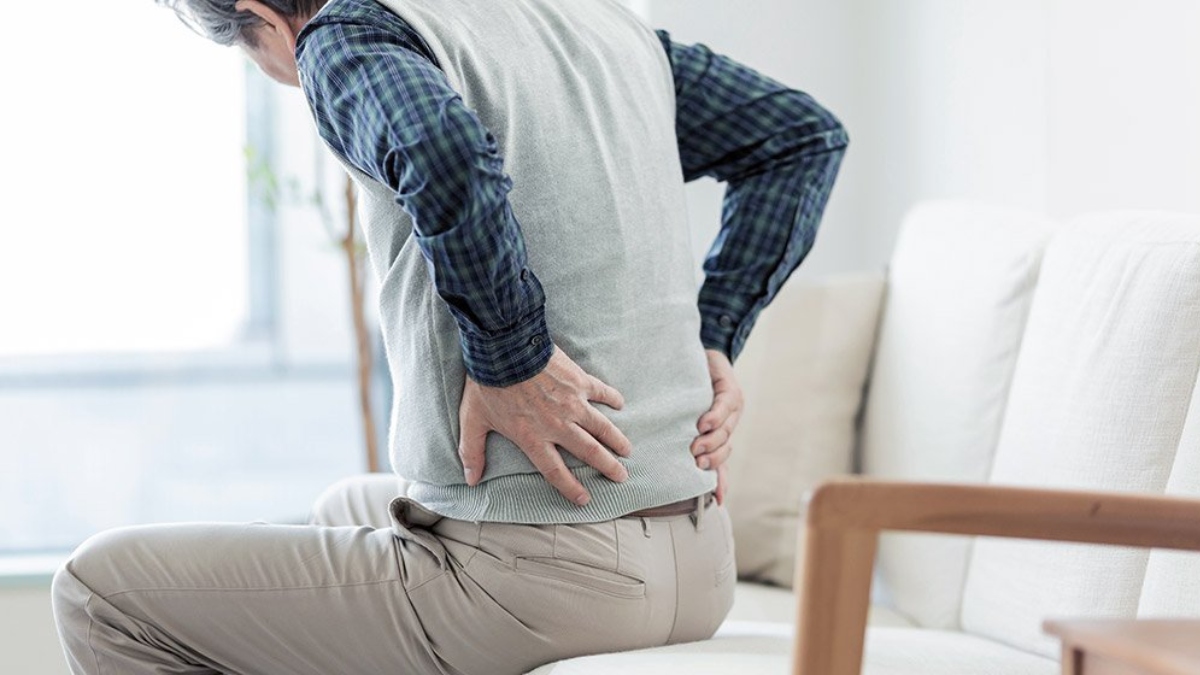
Signs include back pain, losing height, bad posture, and sudden breaks.
To stay safe, men should exercise, eat foods with calcium and vitamin D, and talk to their doctor about bone health.

Osteoporosis, often associated with women, also significantly affects men.
Low testosterone is a key factor increasing fracture risk in men.
Osteoporosis often presents without symptoms until significant bone loss occurs.
Warning signs include back pain, height loss, poor posture, and unexplained fractures.
Preventive measures include exercise, diet, and potentially hormone therapy.
- Who
- Men, particularly those over 50.
- What
- Osteoporosis and its link to low testosterone, increasing fracture risk in men.
- When
- Men over 50 are at higher risk.
- Where
- N/A
- Why
- Low testosterone levels can accelerate bone loss and increase fracture risk.
Potential Issues
Realities
Misconception vs. Reality
Potential Issues
Men are also at risk, and their outcomes can be severe.
Realities
Men may believe osteoporosis is only a women's health issue.
- Primary Risk Factor
- Low testosterone
- Common Symptoms
- Back pain, loss of height, poor posture, fractures
- Preventative Measures
- Weight-bearing exercise, calcium and Vitamin D intake, avoiding smoking and limiting alcohol
- Recommended Action
- Discuss bone health with a doctor, especially those over 50 with risk factors
- Treatment Option
- Hormone therapy (under medical supervision)