

Archive · 24 Sep 2025
Kidney Stones: Causes, Symptoms, Diagnosis, and Treatment
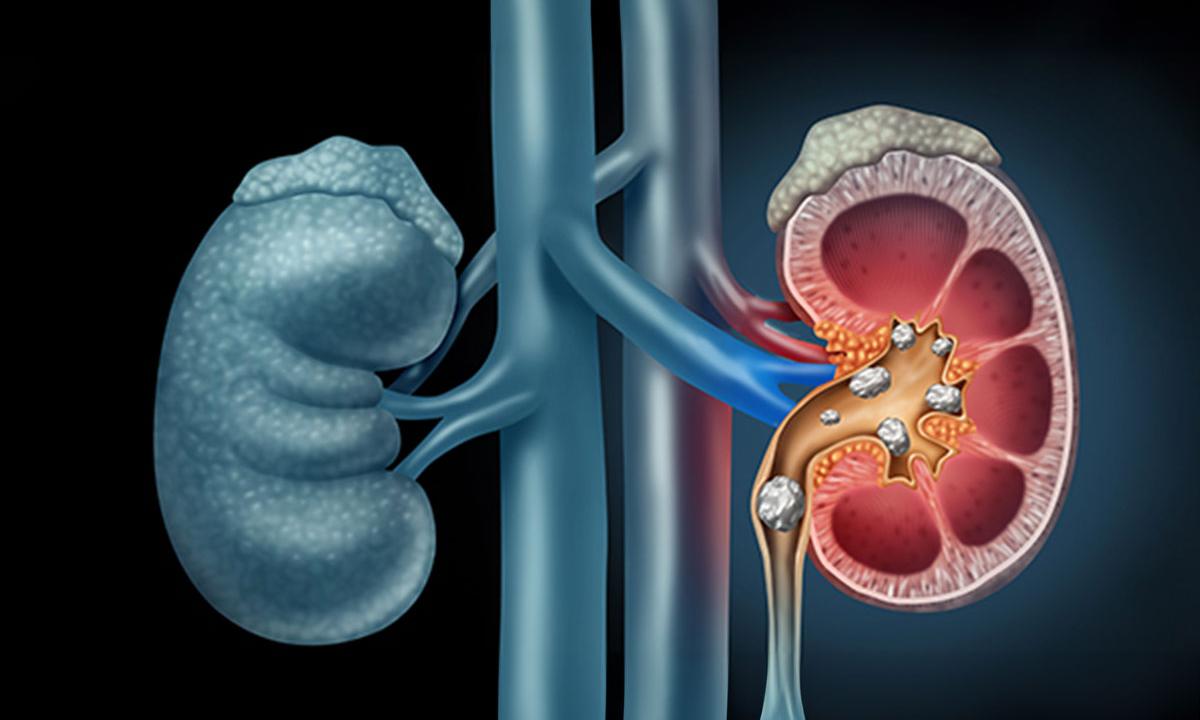
Kidney stones are like tiny rocks that can form in your kidneys.
They happen when your pee has too much of certain stuff in it.
If you don't drink enough water, it's easier for these rocks to grow.
Some foods and family history also play a role.
You might feel pain, have trouble peeing, or see blood if you have them.
Doctors can find them with tests.
Small stones can pass on their own with lots of water.
Larger ones may need help.
To prevent them, drink plenty of water, eat a healthy diet, and stay active.

Kidney stones are hard deposits forming from minerals and salts within the kidneys.
Causes include dehydration, diet, family history, and certain medical conditions.
Common symptoms involve pain in the back, abdomen, or groin, and blood in urine.
Diagnosis includes medical history, blood/urine tests, and imaging (ultrasound, X-ray, CT scans).
Treatments range from increased fluid intake to surgical procedures like ESWL or ureteroscopy.
- Who
- Millions of people worldwide
- What
- Hard deposits formed from minerals and salts in the kidneys.
- When
- Over a period of months to years.
- Where
- Inside the kidneys and urinary tract.
- Why
- Urine becomes too concentrated leading to crystal formation.
- Medical Term
- Renal Calculi or Nephrolithiasis
- Common Types
- Calcium, Uric Acid, Struvite, Cystine
- Main Causes
- Dehydration, Diet, Genetics
- Common Symptoms
- Back/abdominal pain, painful urination, blood in urine
- Diagnosis Methods
- Medical history, urine/blood tests, imaging
- Treatment Options
- Increased fluid intake, medication, surgical procedures