

Archive · 27 Sep 2025
India Faces Pressure to Rethink Trade Strategy Amid China's WTO Shift
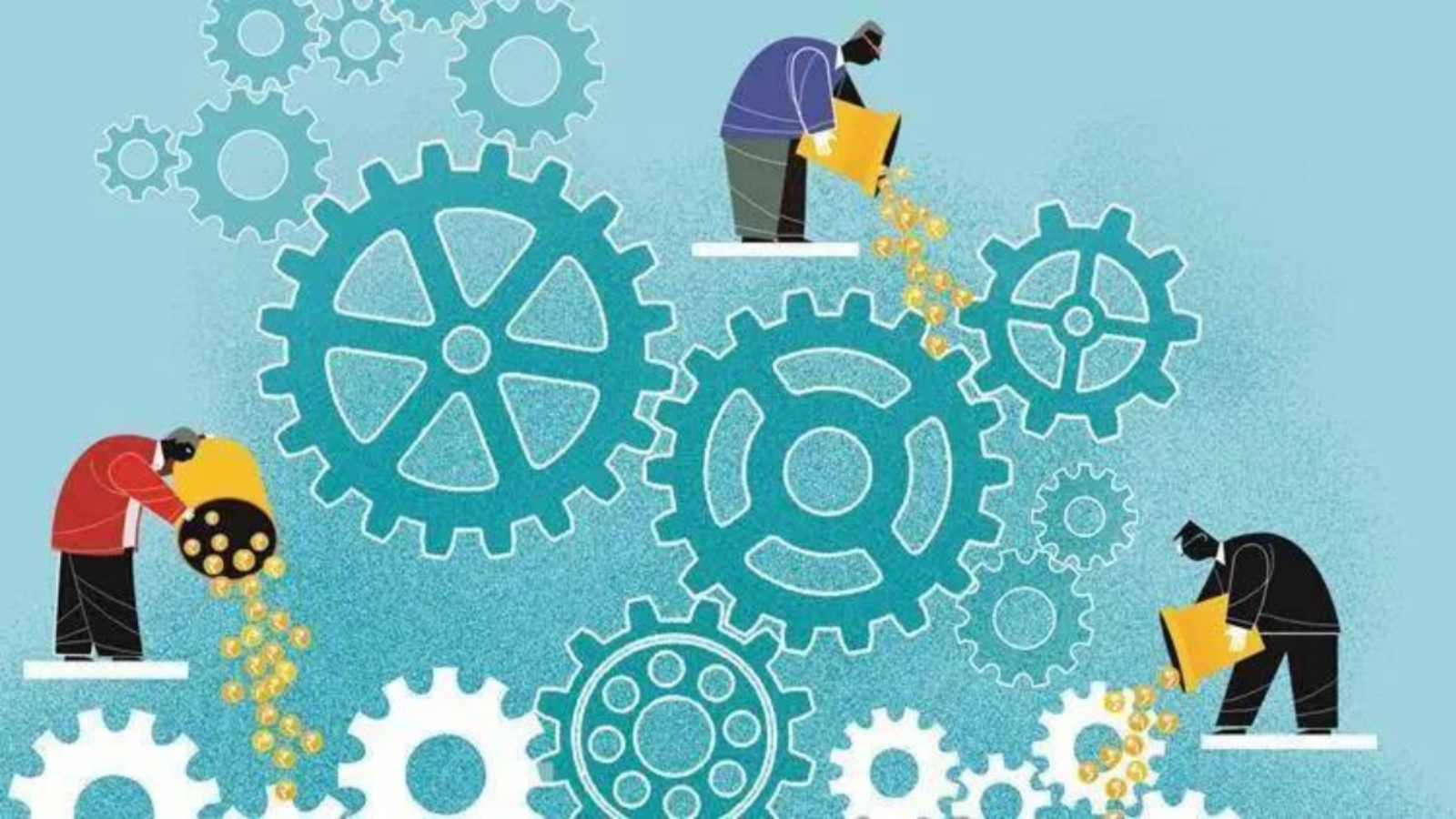
China has decided it won't ask for special trade rules anymore, which changes things for countries like India.
India is a big economy, but still uses rules to help its farmers and poor people.
These rules let India protect its farmers with subsidies.
Developed countries have subsidies too, but sometimes criticize India.
If India loses these special rules, farmers could lose money, and food prices might go up.
To deal with this, India should try to keep these protections for agriculture, use its strengths in online trade, and gradually change trade rules.
This way, India can grow its economy while still helping those in need.

China will forgo Special and Differential Treatment (SDT) in future WTO negotiations.
India's economy faces pressure to shed its developing nation status.
India relies on SDT for higher tariffs and extended compliance periods.
India's agriculture depends on SDT protections for subsidies, particularly Minimum Support Prices (MSP).
The article proposes steps for India to balance its priorities and adapt to changing trade dynamics.
- Who
- India and China
- What
- China announced it will no longer seek SDT in future WTO negotiations and India faces pressure to adapt its trade strategy
- When
- Recent
- Where
- WTO
- Why
- China's decision and pressure from the US to shed developing nation status
India's Stance
Developed Nations' Stance
Agricultural Subsidies
India's Stance
India needs to maintain agricultural subsidies like MSP and PDS.
Developed Nations' Stance
Developed nations criticize India's subsidies as market-distorting, while protecting their own.
- Key Issue
- India's reliance on Special and Differential Treatment (SDT) in WTO
- China's Decision
- To no longer seek SDT in future WTO negotiations.
- India's GDP
- 55% from services
- India's Agriculture Workforce
- Employs approximately half of the workforce.
- Agriculture Subsidy Cap
- 10% of production value for developing countries