

Archive · 24 Jul 2026
Period Pain vs Endometriosis: Key Differences
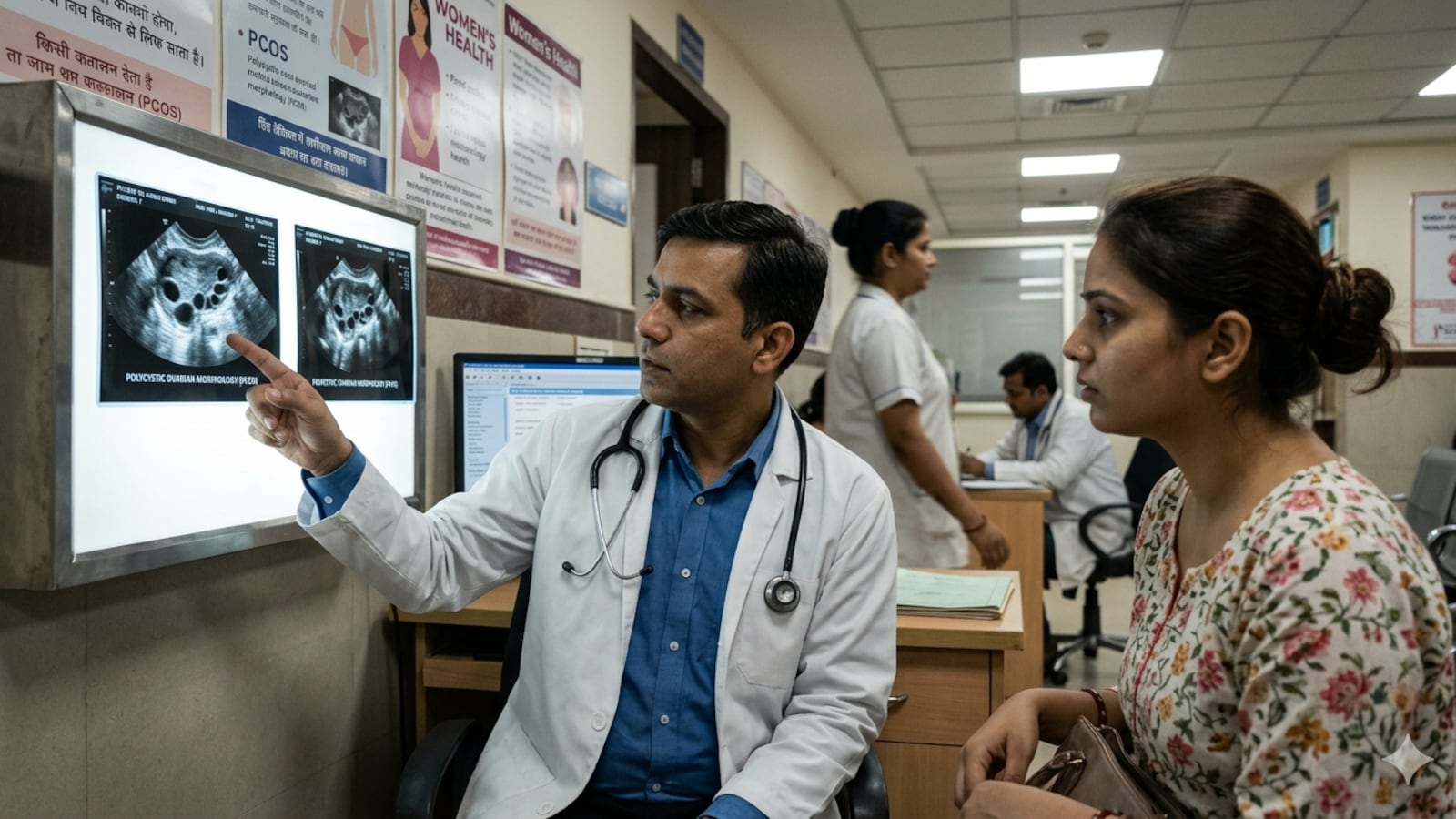
Period pain is common and usually manageable with painkillers or rest.
However, severe and chronic pain might indicate endometriosis, a condition where tissue similar to the uterus lining grows outside the uterus.
This can cause intense pain, heavy periods, and other symptoms.
Endometriosis requires medical evaluation and treatment, unlike typical period pain.
If your period pain is unbearable, it's important to see a doctor.

Period pain is common and usually manageable with over-the-counter pain relievers.
Endometriosis causes chronic pelvic pain and severe symptoms throughout the month.
Endometriosis involves tissue growing outside the uterus, leading to internal inflammation and pain.
Diagnosis of endometriosis may require pelvic exams, imaging tests, or laparoscopic surgery.
Treatment for endometriosis includes pain management, hormonal therapy, or surgical interventions.
- Who
- Women experiencing severe menstrual pain.
- What
- Differentiating between normal period pain and endometriosis.
- When
- During and before menstrual cycles.
- Where
- Pelvic region, lower abdomen, lower back, thighs.
- Why
- To identify and manage potential underlying health issues like endometriosis.
Period Pain
Endometriosis
Pain Location and Duration
Period Pain
Occurs in the lower abdomen, may radiate to lower back and thighs. Starts a day or two before the period and lasts for a few days.
Endometriosis
Chronic pelvic pain that may last throughout the month, not just during menstruation. Severe, stabbing, or radiating pain that can cause fainting or vomiting.
Symptoms
Period Pain
Symptoms include cramping, bloating, and general discomfort. May improve with over-the-counter pain relievers or rest.
Endometriosis
Symptoms include heavy periods, pain during ovulation, pain during intercourse, infertility issues, gastrointestinal issues, and bladder problems.
Diagnosis and Treatment
Period Pain
Generally does not require medical evaluation unless severe.
Endometriosis
Diagnosis often requires medical evaluation and may include ultrasound or laparoscopy. Treatment options vary and may include pain management, hormonal therapy, or surgical interventions.
- Prostaglandins
- Hormone-like compounds that signal the uterus to contract and push out blood and tissues.
- Endometrial Tissue
- Tissue similar to the lining of the uterus that grows outside the uterus in endometriosis.
- Diagnosis Methods
- Pelvic exams, imaging tests like ultrasound or MRI, and sometimes laparoscopic surgery.
- Treatment Options
- Pain management, hormonal therapy, or surgical interventions to remove endometriosis tissue.
- Symptoms of Endometriosis
- Severe period cramps, chronic pelvic pain, lower back and leg pain, pain during intercourse, painful bowel movements, gastrointestinal issues, painful urination, heavy menstrual flow, long periods, bleeding between cycles, infertility, and extreme fatigue.