

Archive · 21 Aug 2025
India Pharma Exports at Risk Amid Shelf-Life Rule Concerns
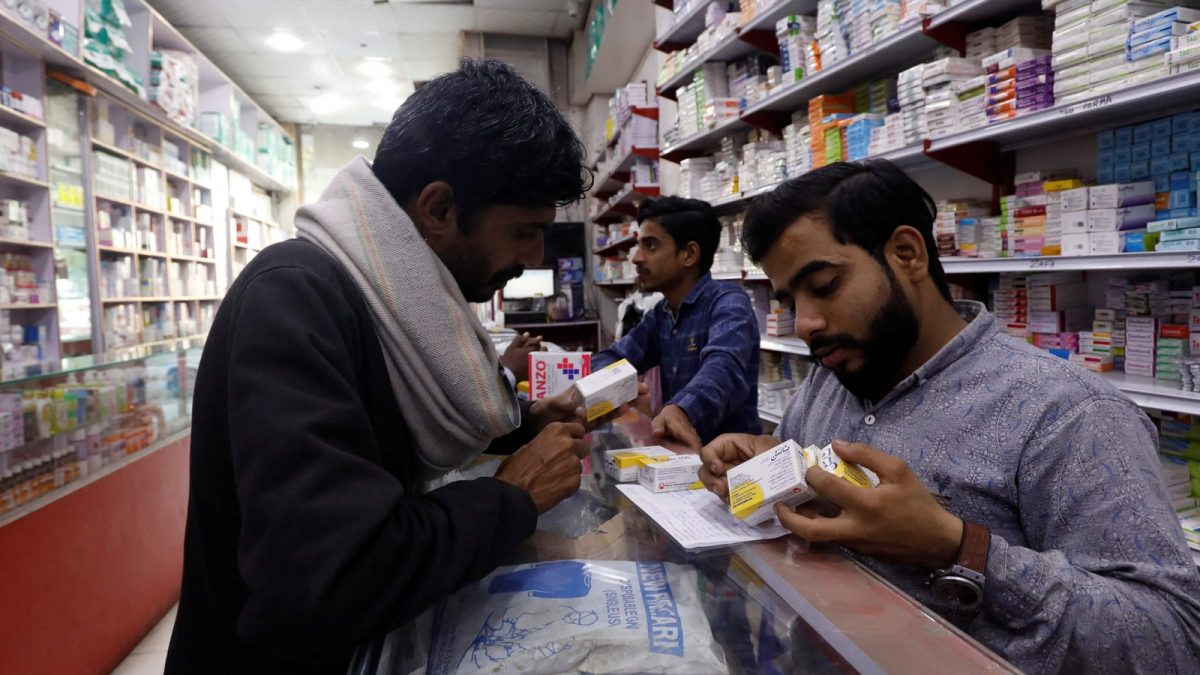
India has a rule about exporting medicine: it can't leave the country if it's going to expire soon.
This is causing problems.
Companies are throwing away medicine that can't be sold anymore.
The industry wants the rule changed because it is costing them money.
The government made this rule after some companies sent medicine that wasn't approved to other countries.
Now, even things like vitamins can't be exported if they don't have enough time left before expiring.
This causes problems, since these drugs can not be sold in India.
The government wants to keep India's reputation as a good place to get medicine.

New CDSCO rule requires exported pharmaceuticals to have at least 60% shelf life.
The rule is causing Indian manufacturers to destroy stocks.
Industry is urging CDSCO to revise or repeal the rule.
The regulation was implemented after reports of unlicensed drug exports.
The rule applies to all medicines, but industry experts suggest it should be limited.
- Who
- CDSCO and Indian pharmaceutical companies.
- What
- A new rule requires exported pharmaceuticals to have at least 60% shelf life.
- When
- The rule was introduced last year.
- Where
- India
- Why
- To prevent export of drugs with insufficient shelf life and protect India's reputation.
Industry Perspective
Government Perspective
Financial Impact
Industry Perspective
The regulation is causing substantial losses due to destruction of stock.
Government Perspective
The regulation prevents export of drugs with insufficient shelf life.
- Rule
- 60% shelf life required for exported drugs.
- Impact
- Stock destruction and financial losses for manufacturers.
- Industry action
- Urging CDSCO to revise or repeal the rule.
- Reason for rule
- To prevent export of unlicensed drugs.
- Affected products
- All categories of medicines