Archive · 1 Oct 2025
Scientists Create Human Eggs from Skin Cells
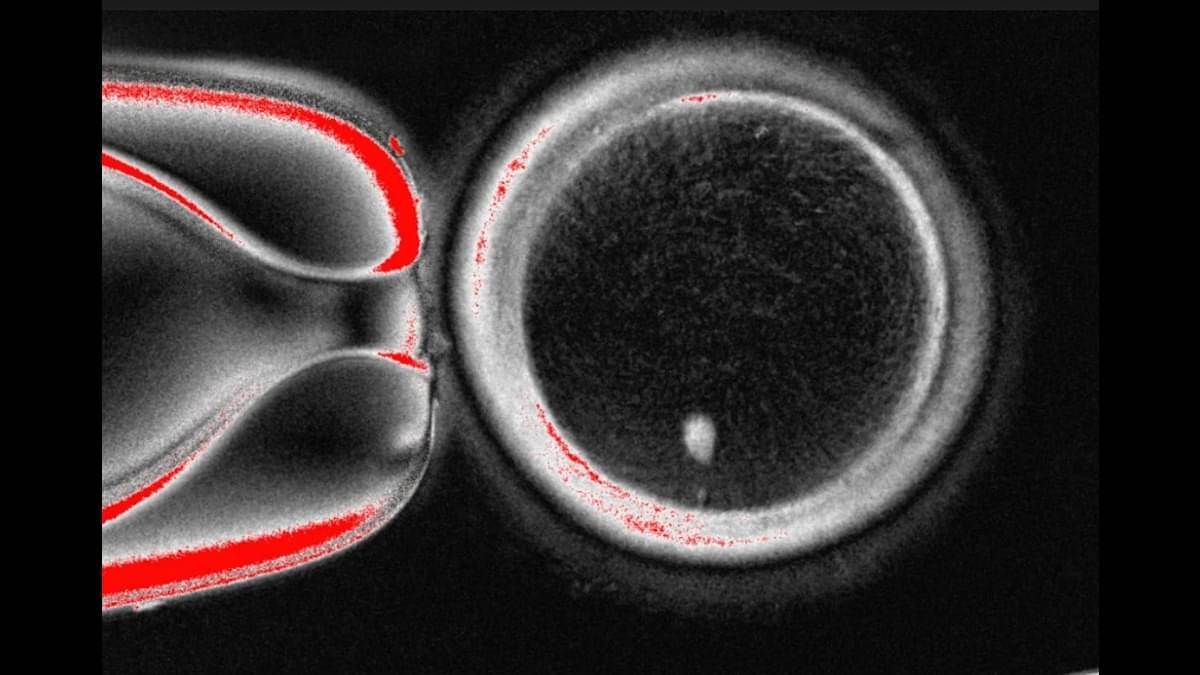
Scientists have found a way to make eggs from skin cells.
They took the DNA from skin cells and put it in an egg.
They then tried to make the eggs get rid of extra chromosomes, which are important for development.
However, the eggs made in the lab had problems with their chromosomes.
The scientists hope this could help people who can't have babies, like those with infertility and same-sex couples.
More research is needed before it can be used.

Scientists created early-stage human embryos from skin cells.
The research was published in Nature Communications.
The method used somatic cell nuclear transfer.
Eggs reached the blastocyst stage, but had chromosomal issues.
The goal is to aid infertility treatments and same-sex couples.
- Who
- Scientists at Oregon Health & Science University
- What
- Created human eggs from skin cells
- When
- Published in Nature Communications
- Where
- Laboratory setting
- Why
- To aid infertility treatments and same-sex couples
Potential Benefits
Challenges and Concerns
Development vs Safety
Potential Benefits
Offers potential solutions for infertility and same-sex couples to have genetically-related children.
Challenges and Concerns
Concerns about the genetic abnormalities and ethical issues need consideration before wide use.
- Research Institution
- Oregon Health & Science University
- Source Material
- Human skin cells
- Method
- Somatic cell nuclear transfer
- Egg Production
- Early-stage human embryos created
- Development Stage
- Blastocyst stage reached
- Chromosome Issues
- Chromosomal abnormalities present
- Potential Use
- Treat infertility and assist same-sex couples
Sources

For First Time, Scientists Make Embryos From Human Skin DNA
Human Skin Cells Turned Into Fertilisable Eggs For First Time
Researchers Convert Skin Cells Into Eggs, But Not Yet Viable
Can babies be born without a womb? Scientists make human eggs in lab