

Archive · 31 Jul 2026
India's Muslim Protesters Face Targeted Harassment Amid Hate
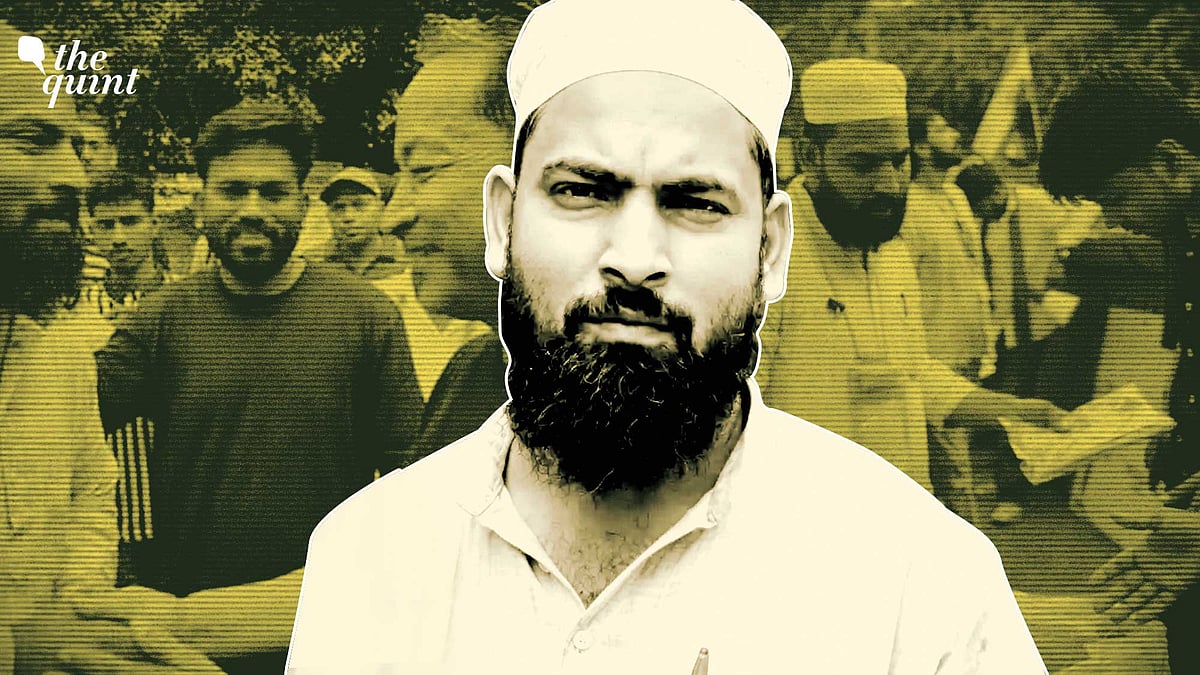
In India, some students and people who help them have been protesting for their rights.
Some Muslim people who joined these protests were stopped by police and asked many questions.
One man named Mohammed Junaid gave free food to the protesters and was later taken to the police station.
In Assam, three young Muslims were arrested for making a WhatsApp group to support a protest.
In West Bengal, the chief minister called the protest a 'Friday protest' and many people were arrested under a new law called the Goonda Act.
These events made many Muslims worry that if they join protests, they might be treated unfairly.
The courts will decide if the arrests were legal, but the main question is why Muslims feel they are treated differently when they protest.

Muslim supporters of student protests were detained and questioned by police.
Mohammed Junaid, who served free meals to protesters, was arrested and later released after police inquiry.
In Assam, three Muslim youths were arrested for forming a WhatsApp group to support the Cockroach Janata Party movement.
West Bengal chief minister Suvendu Adhikari dismissed the Kolkata protest as a "Friday protest" and many participants were arrested under the Goonda Act.
The incidents suggest Muslims in BJP‑ruled states fear increased risk of persecution when joining public movements.
- Who
- Muslim supporters, students, and activists in India
- What
- Targeted harassment and arrests during student protests
- When
- During recent student protests, before Education Minister Dharmendra Pradhan resigned
- Where
- Delhi, Assam, West Bengal, India
- Why
- Fear of being labeled as a 'Muslim protest' and perceived risk of persecution
- Event
- Student protests in India
- Key Individuals
- Mohammed Junaid, Dharmendra Pradhan, Suvendu Adhikari
- Locations
- Delhi, Assam, West Bengal
- Legal Actions
- FIRs, Goonda Act arrests
- Perception
- Muslims fear increased risk