

Archive · 29 Jul 2026
Indian Railways reduces train accidents by 88% in 12 years
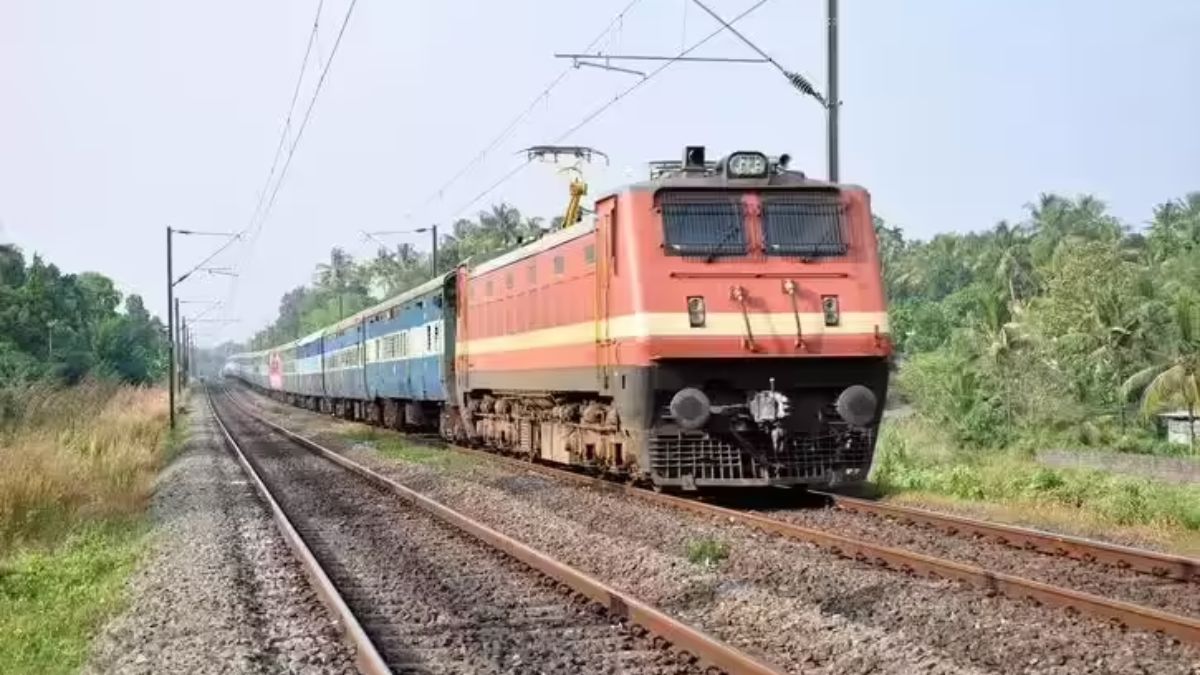
Indian Railways has made big improvements in safety over the past 12 years.
They have reduced serious train accidents by 88%, from 135 in 2014-15 to just 16 in 2025-26.
This is because they have spent more money on safety, upgraded their signalling systems, and introduced new technologies like Kavach, which helps trains stop automatically if the driver doesn't.
They have also made other changes like better track maintenance and removing unmanned level crossings.
All these efforts have made train travel safer in India.

Indian Railways reduced consequential train accidents by 88% from 2014-15 to 2025-26.
Safety spending increased from Rs 39,200 crore in 2013-14 to Rs 1,17,693 crore in 2025-26.
Kavach, an indigenous Automatic Train Protection system, has been deployed on 2,569 route kilometres.
Electronic and electrical interlocking systems have been commissioned at 6,671 stations.
All unmanned level crossings on Broad Gauge routes have been eliminated.
- Who
- Indian Railways
- What
- Reduction in consequential train accidents by 88% over 12 years
- When
- 2014-2026
- Where
- India
- Why
- Due to increased safety investments, modernisation of signalling systems, and the rollout of Kavach, an indigenous Automatic Train Protection system.
Safety Advocates
Budget Constraints
Safety Investments
Safety Advocates
Increased safety spending and modernisation are crucial for reducing accidents.
Budget Constraints
High safety investments may strain the railway's budget and divert funds from other critical areas.
- Consequential Train Accidents (2014-15)
- 135
- Consequential Train Accidents (2025-26)
- 16
- Consequential Accident Index (2014-15)
- 0.11
- Consequential Accident Index (2025-26)
- 0.01
- Safety Spending (2013-14)
- Rs 39,200 crore
- Safety Spending (2025-26)
- Rs 1,17,693 crore
- Safety Spending (2026-27)
- Rs 1,20,389 crore
- Kavach Deployment (as of July 20, 2026)
- 2,569 route kilometres