

Archive · 29 Jun 2025
Pacemakers & ICDs: Lifesaving Devices Explained
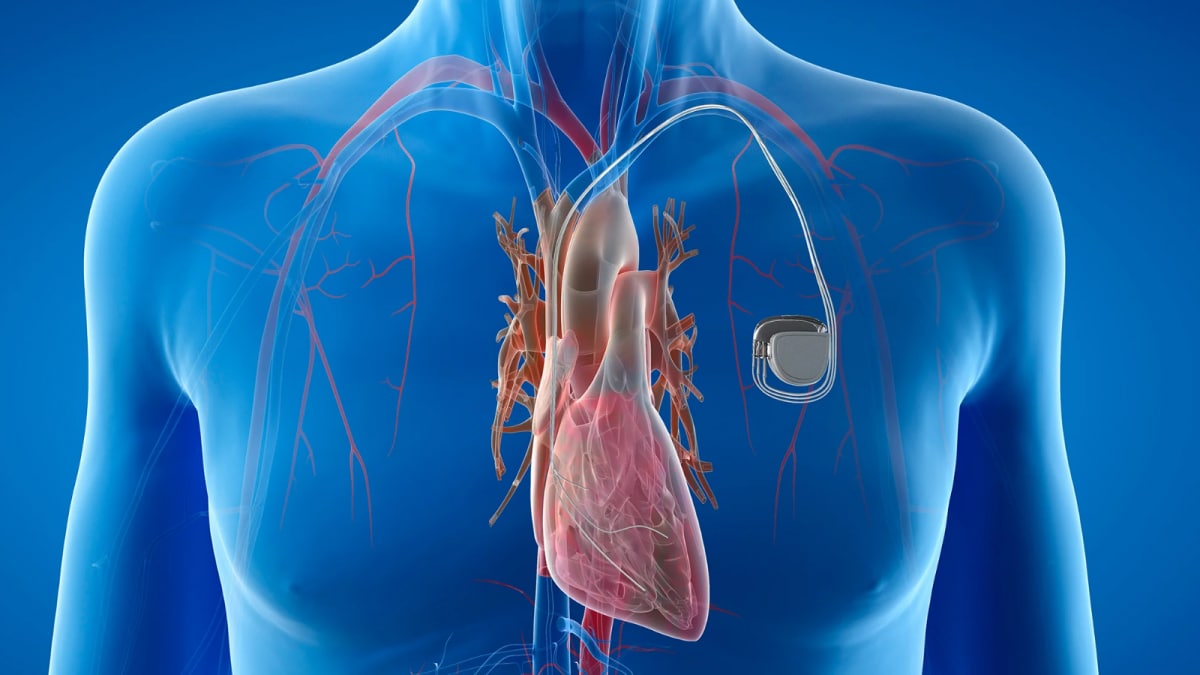
Sometimes, hearts can beat too slow, too fast, or in a way that is not regular.
Pacemakers and ICDs are like little helpers for your heart.
Pacemakers help when the heart beats too slowly by sending tiny electrical signals to make it beat at the right pace.
ICDs are like heart medics that shock the heart back to normal if it beats too fast and dangerously.
Doctors put these devices in a small surgery.
After the surgery, you'll need check-ups to make sure everything is working well.
People with these devices can live active lives with some changes.

Pacemakers and ICDs are used to treat heart rhythm disorders.
Pacemakers treat slow heart rhythms (bradycardia).
ICDs treat fast, dangerous heart rhythms (ventricular tachycardia/fibrillation).
Pacemakers and ICDs are implanted via a relatively simple surgery.
Regular check-ups are important for those with pacemakers or ICDs.
- Who
- Individuals with heart rhythm disorders, such as bradycardia or ventricular tachycardia, can receive pacemakers and ICDs.
- What
- Pacemakers and Implantable Cardioverter Defibrillators (ICDs) are used to treat heart rhythm disorders.
- When
- Modern medicine is changing how we manage and prevent life-threatening heart rhythm issues. Article was published on June 29, 2025.
- Where
- The article does not specify a location.
- Why
- To correct irregular heart rhythms and prevent serious complications, including cardiac arrest.
- Medical Devices
- Pacemakers and ICDs
- Purpose of Pacemakers
- Treat bradycardia (slow heart rhythm)
- Purpose of ICDs
- Treat fast, dangerous heart rhythms
- Implantation Procedure
- Relatively simple surgery, local anesthetic, incision near collarbone
- Recovery
- 1-2 day hospital stay