Archive · 10 Nov 2025
Supreme Court Asks Centre for Response on Women's Reservation Law Implementation
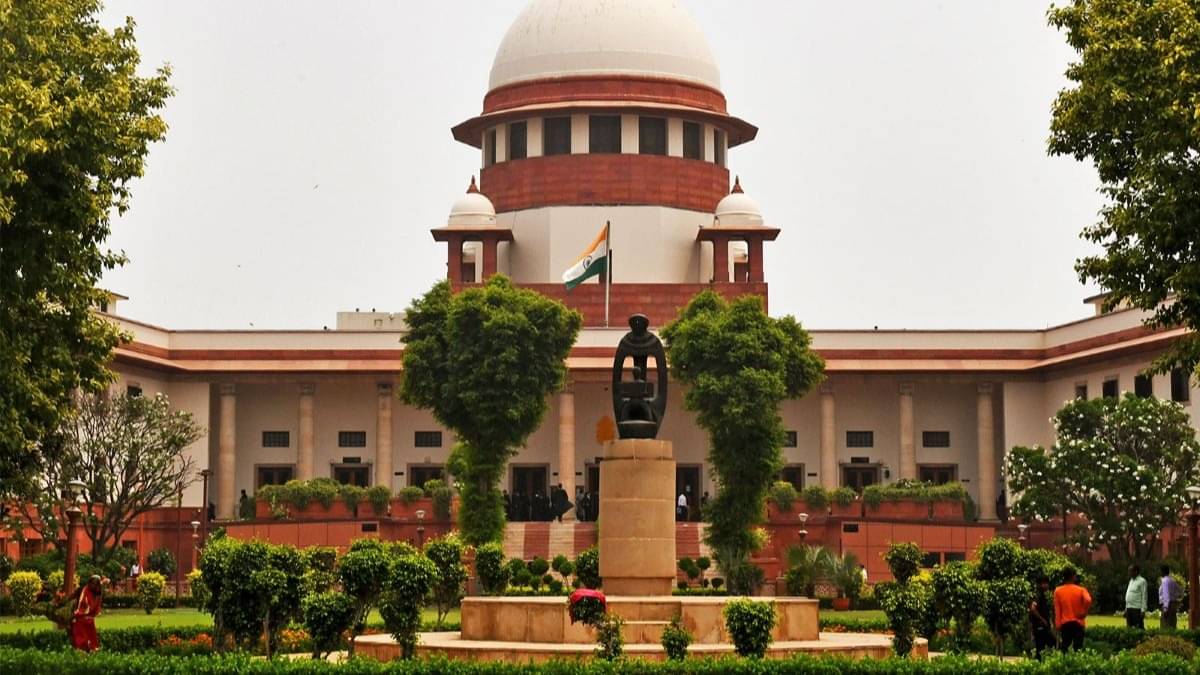
The Supreme Court is asking the government why a new law that gives more seats to women in Parliament and state governments isn't being used yet.
This law says one out of every three seats should be for women.
However, it can only start after a new census and drawing new areas for seats.
A lady named Jaya Thakur thinks this is unfair and wants women to get their seats right away.
The judges agreed that women are almost half of the country and deserve equal representation.
They told the government to explain when the census and new seat areas will be ready.
The judges also said they can't force the government to act immediately, as it's the government's job to make laws work.

The Supreme Court has asked the Central government for its response regarding a plea for the immediate implementation of the women's reservation law.
The law reserves one-third of seats in the Lok Sabha, state legislative assemblies, and the Delhi Assembly for women.
The Supreme Court noted that women, constituting almost 48% of the population, are the largest minority and are entitled to political equality.
The plea, filed by Congress leader Jaya Thakur, argues for the law's implementation without waiting for a fresh census and delimitation exercise.
The court clarified that while it cannot issue a mandamus for immediate implementation, it is seeking information from the government on the timeline for the delimitation exercise.
- Who
- Supreme Court, Central government, Jaya Thakur (Congress leader)
- What
- The Supreme Court sought the Centre's response to a plea demanding the immediate implementation of the women's reservation law.
- When
- Monday
- Where
- Supreme Court of India, New Delhi
- Why
- To address the plea seeking the immediate implementation of the women's reservation law, emphasizing political equality for women and questioning the delay caused by the census and delimitation process.
Petitioner's Stance (Immediate Implementation)
Court's Observation on Implementation Process
Basis for Implementation
Petitioner's Stance (Immediate Implementation)
The Women's Reservation Act should be implemented immediately without waiting for a fresh census and delimitation exercise.
Court's Observation on Implementation Process
The court noted that the enforcement of the law is the executive's responsibility and cannot issue a mandamus to force immediate implementation, implying adherence to the legal framework tied to census and delimitation.
Timeliness of Women's Representation
Petitioner's Stance (Immediate Implementation)
It is unfortunate that after over 70 years of independence, women still need to approach the court for representation.
Court's Observation on Implementation Process
Women constitute the largest minority (almost 48%) and are entitled to political equality as stated in the Preamble of the Constitution.
- Law in Question
- Women's Reservation Act (Constitution (106th Amendment) Act, 2023)
- Reservation Quota
- One-third (33%) of seats for women
- Affected Bodies
- Lok Sabha, State legislative assemblies, and Delhi Assembly
- Prerequisites for Implementation
- Publication of census conducted after Act's commencement, followed by delimitation
- Duration of Reservation
- 15 years, with potential extension
- Petitioner
- Jaya Thakur (Congress leader)
- Court Bench
- Justices BV Nagarathna and R Mahadevan
- Supreme Court Action
- Issued notice to the Centre seeking its reply