1 week ago
Delhi Police Orders Intelligence Overhaul After Jantar Mantar Protests
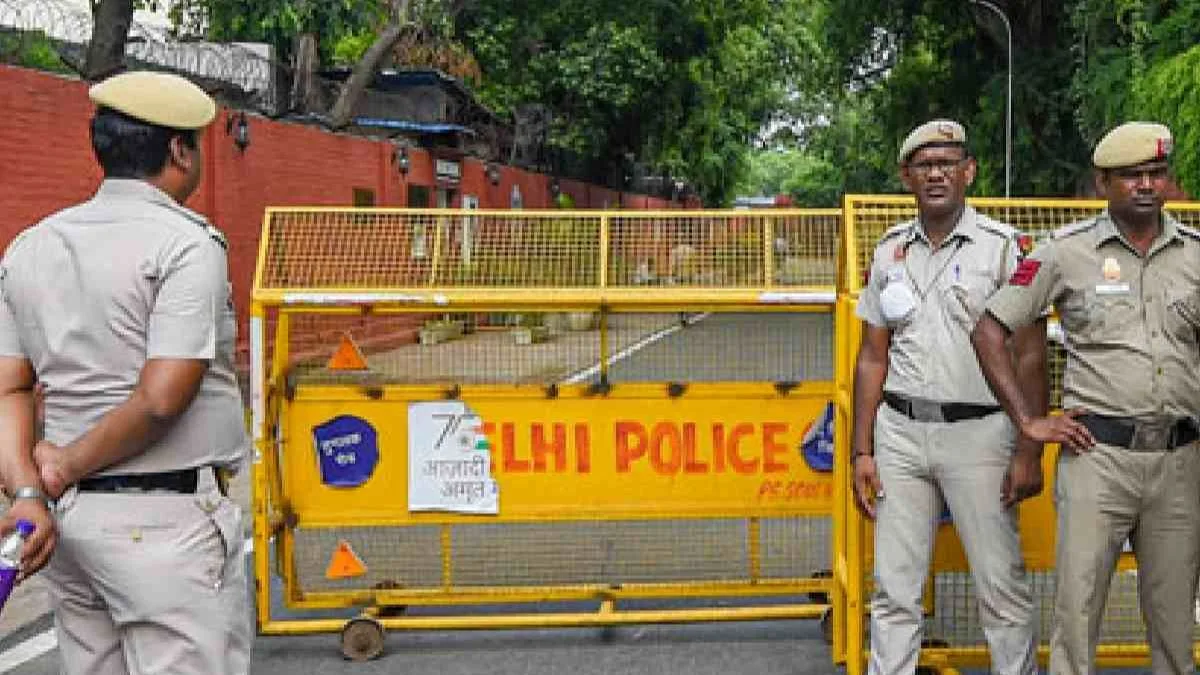
Delhi Police wants more information before very large protests happen.
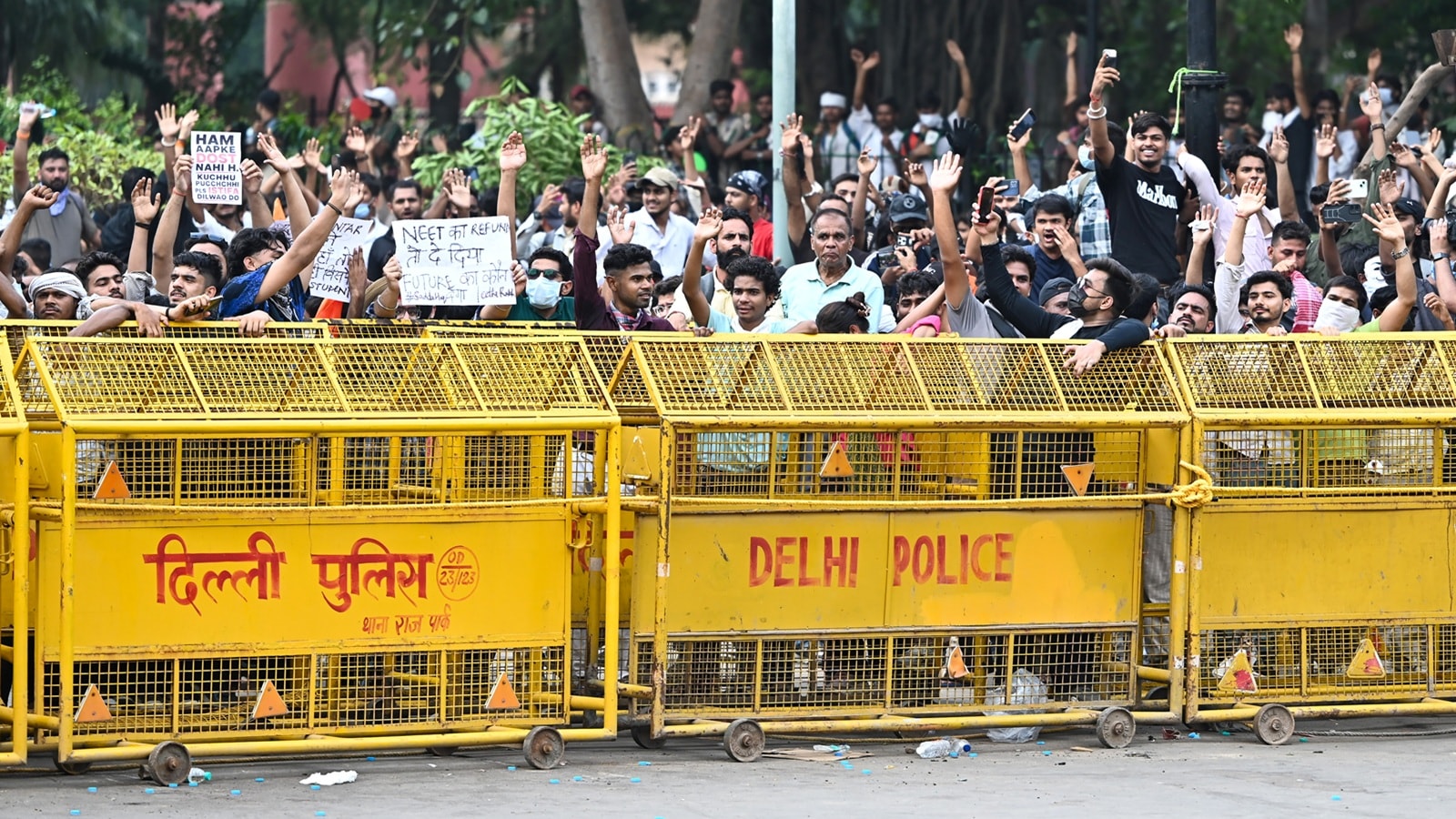
This plan was made after a July 20 protest near Jantar Mantar became much bigger than expected.
Different reports estimated the crowd at about 30,000 to at least 50,000 people.
The protesters tried to move toward Parliament over education and examination-related demands.
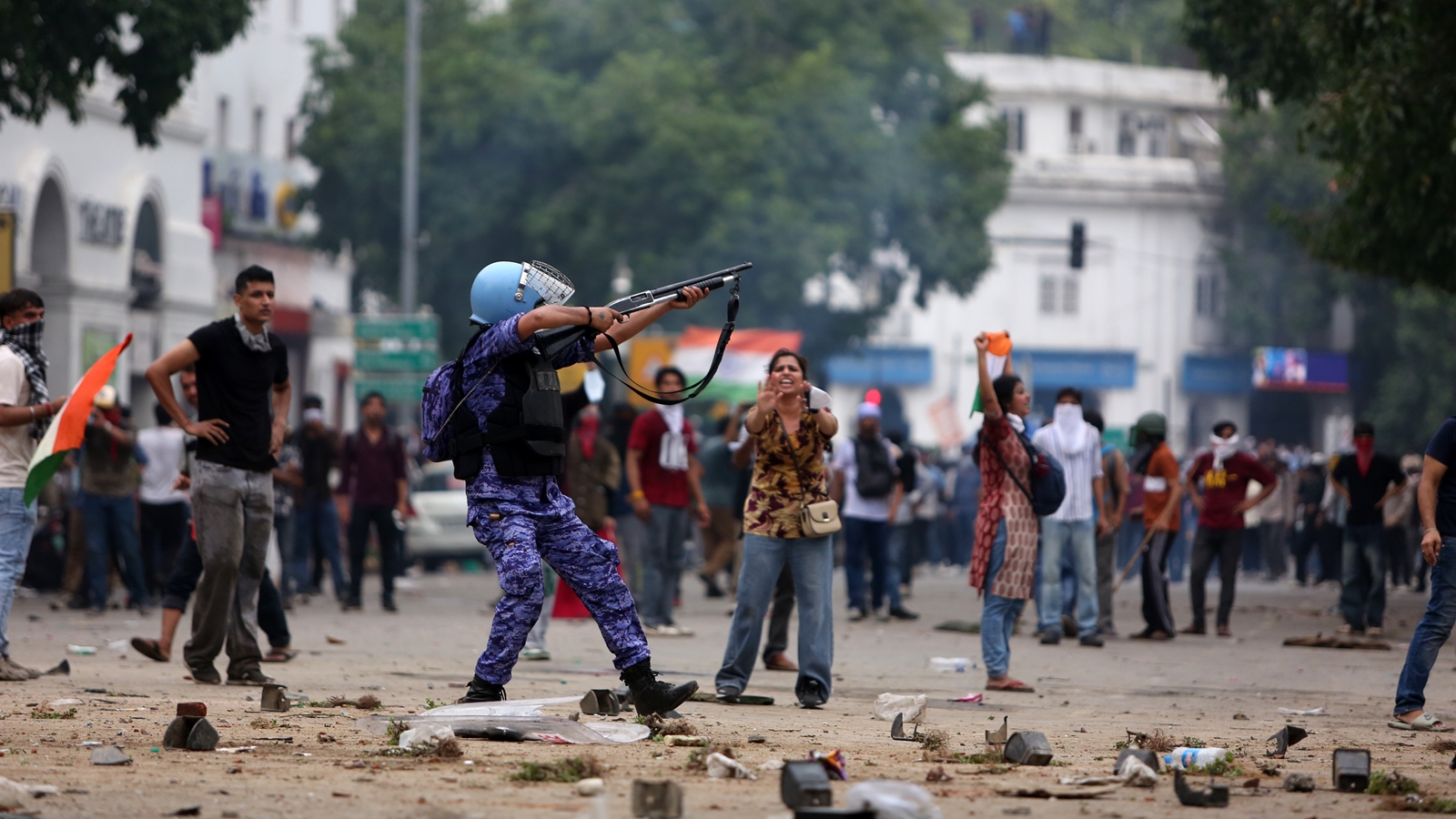
Clashes broke out, and police use of force was widely criticised.
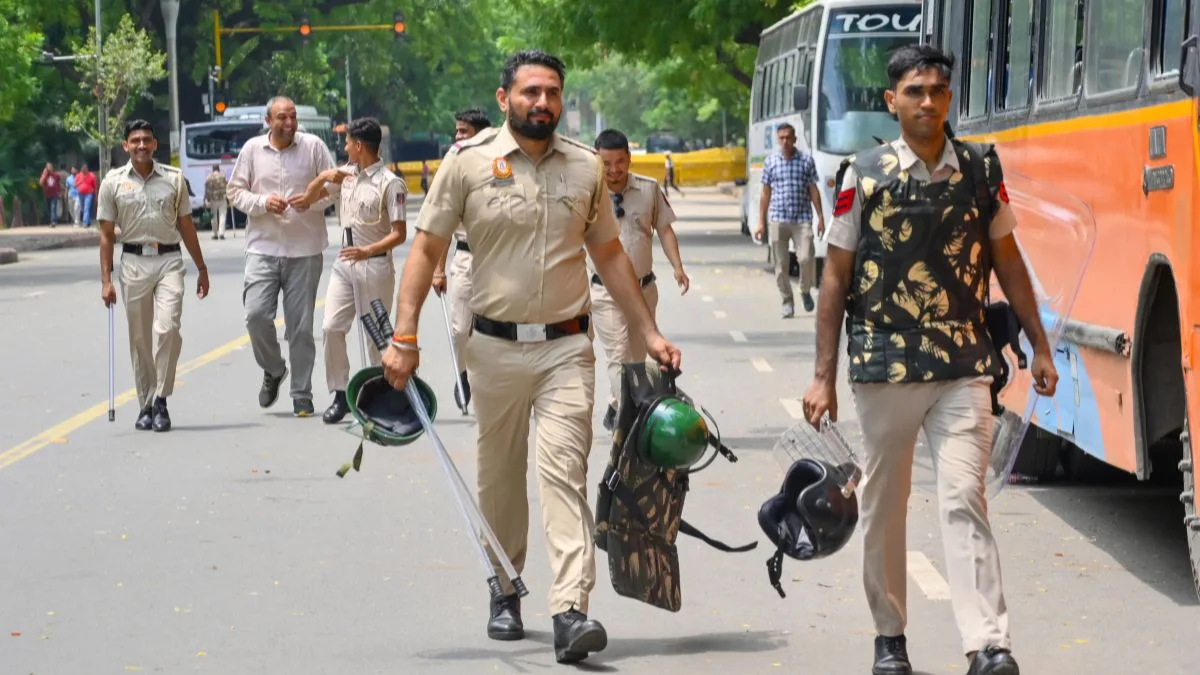
Police will now study who is attending, who is organising the event and how people are arriving.
They will also examine where participants stay, their local contacts, funding and transport arrangements.
Police say the goal is to prepare better for public gatherings, not to stop peaceful protests.
The police radio system will also be checked so information can move faster.

Commissioner Anurag Kumar ordered the Intelligence Wing and Special Branch to collect at least 10 categories of information before major protests.
The directive followed the July 20 Jantar Mantar mobilisation, whose reported turnout ranged from about 30,000 to at least 50,000 people.
Protesters attempted to march toward Parliament over education or examination-related demands, and clashes followed police use of force.
The expanded assessment will cover participants, state-wise attendance, mobilisation, organisers, demands, movements, local contacts, affiliations, funding and logistics.
The Commissioner also ordered a comprehensive wireless-network review after officials identified communication and coordination gaps during major gatherings.
- Who
- Delhi Police Commissioner Anurag Kumar, the Intelligence Wing and Special Branch; the protest involved thousands of young people.
- What
- Delhi Police ordered a broader intelligence-gathering system for major protests and a review of its wireless communications network.
- Where
- The protest took place at Jantar Mantar and surrounding areas in Delhi, with demonstrators attempting to march toward Parliament.
- When
- The triggering protest occurred on July 20; the new directive was issued after a review of that event.
- Why
- Officials said existing intelligence did not adequately predict the crowd size, mobilisation or organisational involvement, while communication gaps affected coordination.
Police preparedness
Concerns over protest handling
Expanded intelligence gathering
Police preparedness
Police sources said detailed, verified and actionable information about participants, organisers, mobilisation and logistics would help assess law-and-order risks before major gatherings.
Concerns over protest handling
The July 20 turnout was described as exposing shortcomings in the existing system, which had focused mainly on the venue and estimated crowd size.
Use of force
Police preparedness
Police presented the overhaul as a way to prepare more effectively for large public events and manage law-and-order situations.
Concerns over protest handling
Clashes followed the attempted march, and the reported use of teargas, lathis and other force drew heavy or widespread criticism.
Communication and coordination
Police preparedness
Police leadership ordered personnel across traffic, security, PCR and district units to use wireless systems effectively and remain available for rapid decisions.
Concerns over protest handling
Sources said the review found communication and coordination gaps that sometimes delayed information moving from officers on the ground to senior officials.
Key facts
- Police commissioner
- Anurag Kumar
- Triggering event
- July 20 protest at Jantar Mantar and nearby areas
- Reported turnout
- Estimates ranged from about 30,000 to at least 50,000 people
- Reported demands
- Education reform, action on paper leaks and other examination-related irregularities
- Required intelligence
- Ten areas including participants, state-wise attendance, mobilisation, organisers, demands, movements, contacts, affiliations, funding and logistics
- Communications measure
- A comprehensive wireless-network inspection and immediate correction of deficiencies
- Future focus
- Large protests involving participants from outside Delhi or multiple organisations
Quotes
A senior Delhi Police officer
A senior officer describing the intelligence requirements
“The purpose is to understand not just where a protest is happening, but who is behind it, how people are being mobilised, where they are coming from, and whether there are local support structures.”
 indianexpress.com
“The Commissioner directed that the wireless communication network be checked comprehensively and any deficiencies be rectified immediately.”
indianexpress.com
Sources
Lessons From Jantar Mantar: Delhi Police's Ten Commandments On Protests
Delhi Police’s tougher protest playbook after Jantar Mantar: Organisers, funding and local networks under lens

Delhi Police revamp intelligence system after Jantar Mantar protest; plan detailed profiling of protesters
Lessons from Jantar Mantar: Delhi Police chief orders intel revamp
Related news
Delhi Police Expands Intelligence Preparations Ahead Of CJP Protest

Delhi Police Denies Permission for Reservation Protest at Jantar Mantar

Delhi Tightens Jantar Mantar Security Over Unauthorised Reservation Protest
Delhi Police Urges Calm Conduct After Jantar Mantar Clashes

Delhi Police Says No Permission for August 21 Reservation Protest
Delhi Police Deny Permission for Reservation Protest Amid Viral Videos

UP Teen Allegedly Gang-Raped on Moving Bus; Two Arrested

Delhi Police Handles 1,561 Grievances Through Thana Diwas Hearings

Delhi L-G Sandhu Orders Faster Joint Action on Safety