

Archive · 7 Jun 2025
Salmonella Contamination: Risks, Prevention and Consumer Guidance
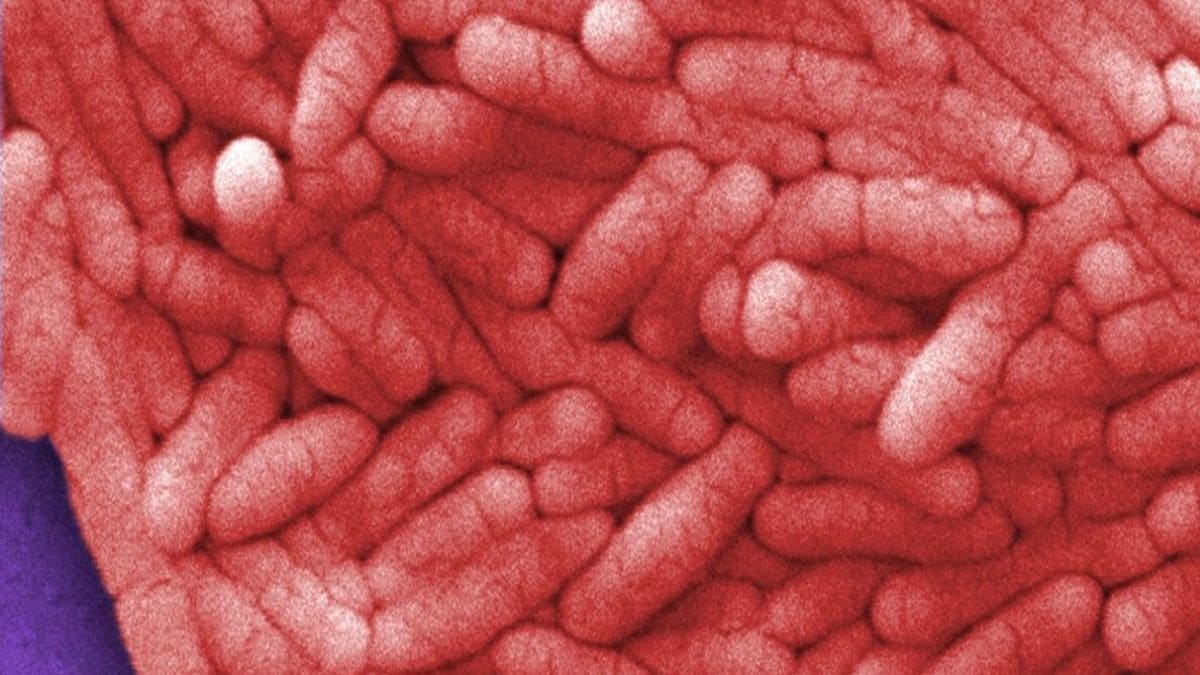
Imagine tiny germs called Salmonella that can make you sick.
These germs often come from dirty food or water, like cucumbers.
When you eat food with Salmonella, you might get a tummy ache, diarrhea, and fever.
It's usually not too bad, but it can be serious for babies, older people, and those with weak immune systems.
To stay safe, wash your fruits and vegetables carefully, and be aware of any warnings from health officials.
Producers also need to keep food clean from the farm all the way to your plate to stop Salmonella.

Salmonella is a leading cause of diarrheal diseases worldwide.
It often spreads through contaminated food and water, including fresh produce like cucumbers.
Symptoms include diarrhea, fever, and abdominal cramps.
Vulnerable groups like infants and the elderly are at higher risk of severe illness.
Preventative measures include washing produce, following health advisories, and supply chain sanitation.
- Who
- Consumers and producers are the primary groups affected.
- What
- Salmonella is a bacteria causing diarrheal illness, often from contaminated food.
- When
- Symptoms typically appear 6 hours to 6 days after infection.
- Where
- Salmonella can be found globally, particularly in food supply chains.
- Why
- To understand the risks of Salmonella and how to prevent contamination.
Producer Responsibility
Consumer Responsibility
Prevention Measures
Producer Responsibility
Producers should ensure clean water sources, sanitation and regular testing throughout the food supply chain.
Consumer Responsibility
Consumers should wash produce and heed health advisories.
- Primary Impact
- Diarrhoeal diseases
- Symptom Onset
- 6 hours to 6 days
- Common Source
- Cucumbers
- Transmission Method
- Fecal contamination
- Vulnerable Groups
- Infants, elderly, those with weak immune systems