Archive · 31 Jul 2026
India's First Flight-Proven Satellite Battery Achieves Milestone In Space

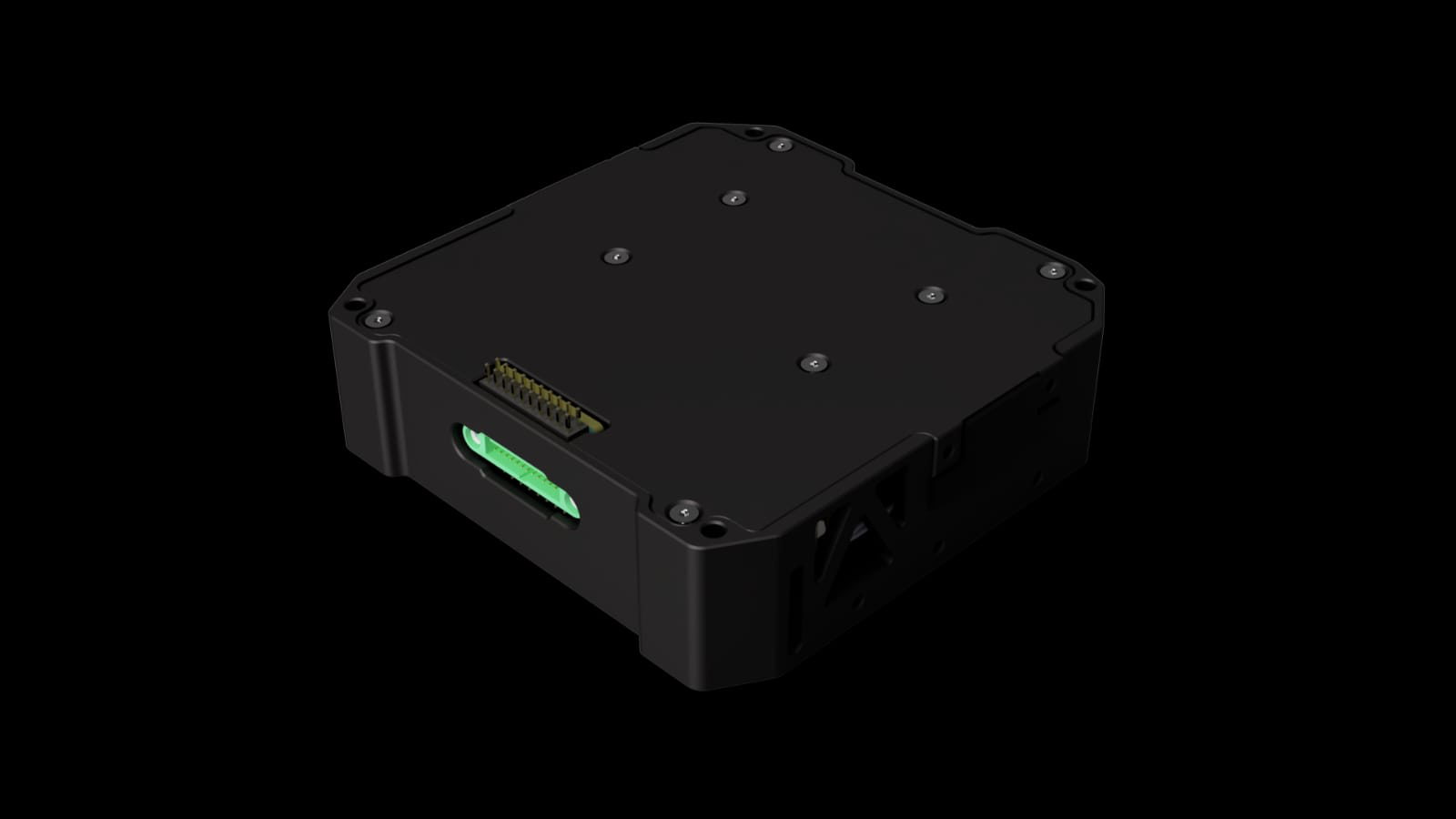
A company in Hyderabad, India, made a small battery called PowerBank-50 that can power tiny satellites.
On July 18, the battery flew on a rocket called Vikram‑1, which was the first private Indian rocket to reach space.
The battery worked well, staying warm and keeping its power even when the rocket shook and the space was very cold.
Because it worked in real space, it earned a special tag called "flight heritage," meaning it has proven it can be used safely on satellites.
This is good news for Indian space makers because they can now buy a ready‑made battery instead of waiting for expensive imports.

TakeMe2Space’s PowerBank‑50, a 50 Wh lithium‑ion battery, flew on Skyroot Aerospace’s Vikram‑1 “Aagaman” mission on July 18.
The battery powered a Cosmoserve Space payload at 450 km altitude, surviving launch vibration, vacuum, radiation and temperature swings.
Successful flight earned the battery “flight heritage”, the first for an India‑made satellite power system.
The 380‑gram pack is off‑the‑shelf, priced at ₹104,900, and can support CubeSats and microsatellites for up to five years in low‑Earth orbit.
The milestone is expected to reduce India’s dependence on imported satellite batteries and lower costs for small‑satellite developers.
- Who
- TakeMe2Space and its founder Ronak Kumar Samantray
- What
- PowerBank-50 satellite battery earned flight heritage
- When
- July 18, 2024
- Where
- Satish Dhawan Space Centre, Sriharikota, India
- Why
- To provide a domestically produced, flight‑tested power system for satellites, reducing import dependence and cost
- Battery model
- PowerBank-50
- Energy capacity
- 50 Wh
- Weight
- 380 g
- Price
- ₹104,900
- Mission
- Vikram-1 Aagaman
- Altitude
- 450 km
- Launch date
- July 18, 2024
- Launch site
- Satish Dhawan Space Centre, Sriharikota