

Archive · 23 Sep 2025
India Tightens Cash Rules: Penalties for Violations
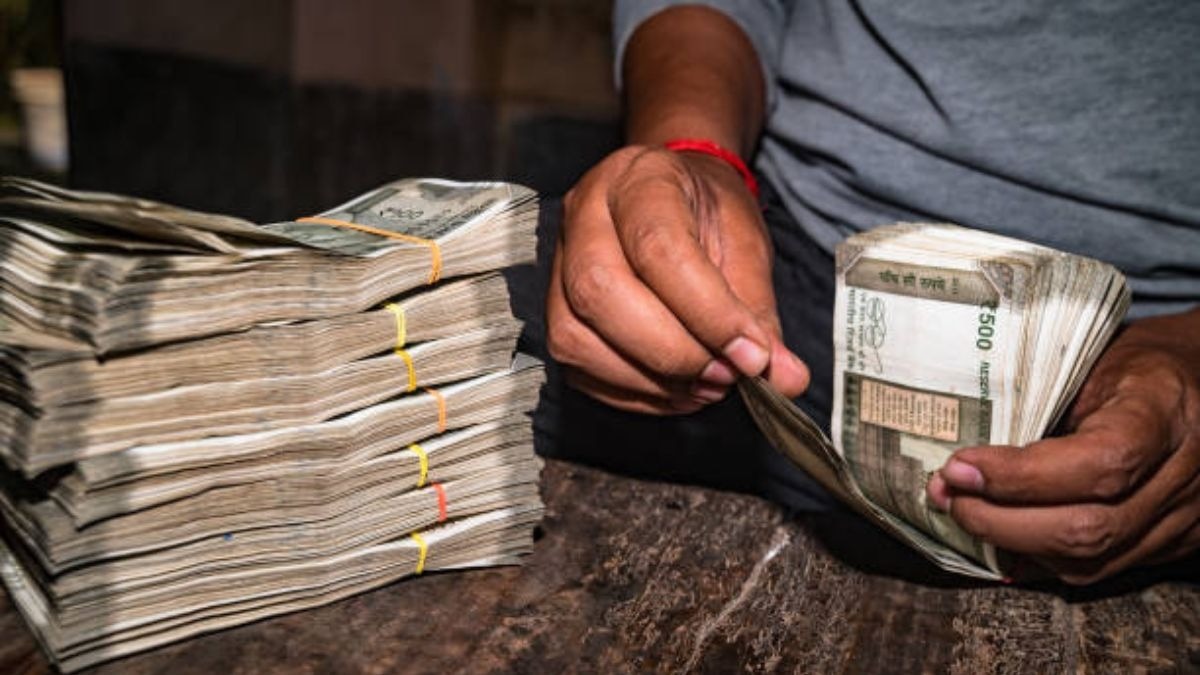
India is cracking down on large cash transactions to fight tax evasion.
The government wants people to use digital payment methods like UPI to make things more transparent.
If you take or give a loan in cash, or receive more than a certain amount of cash, you could face a hefty fine, the same amount as the transaction.
This rule applies to personal transactions too.
The Supreme Court supports this by requiring the reporting of large cash payments.
The goal is to move away from cash, making money matters more traceable and honest.

The Income Tax Act imposes limits on cash transactions to curb tax evasion.
Penalties for violating cash limits are equivalent to the amount of the transaction.
Accepting cash loans/deposits over Rs 20,000 is prohibited under Section 269SS.
Receiving Rs 2 lakh or more in cash in a day is prohibited.
Judicial rulings reinforce these restrictions, requiring reporting of violations.
- Who
- Individuals and businesses in India
- What
- Penalties for violating cash transaction limits as per the Income Tax Act
- When
- Ongoing; enforcement and awareness efforts are current.
- Where
- India
- Why
- To curb tax evasion, promote digital transactions, and ensure financial transparency.
- Section 269SS
- Prohibits accepting cash loans/deposits over Rs 20,000
- Section 269ST
- Limits cash receipts to under Rs 2 lakh per transaction
- Penalties
- Equal to the amount of the transaction in violation
- Exemptions
- Government, banks, post offices; RBI-notified entities
- Judicial Backing
- Supreme Court mandates reporting cash violations to the IT Department
- Objective
- Reduce tax evasion and promote digital payments