

Archive · 20 Sep 2025
Dark Ocean Oxygen Discovery May Change Life Origins Theories
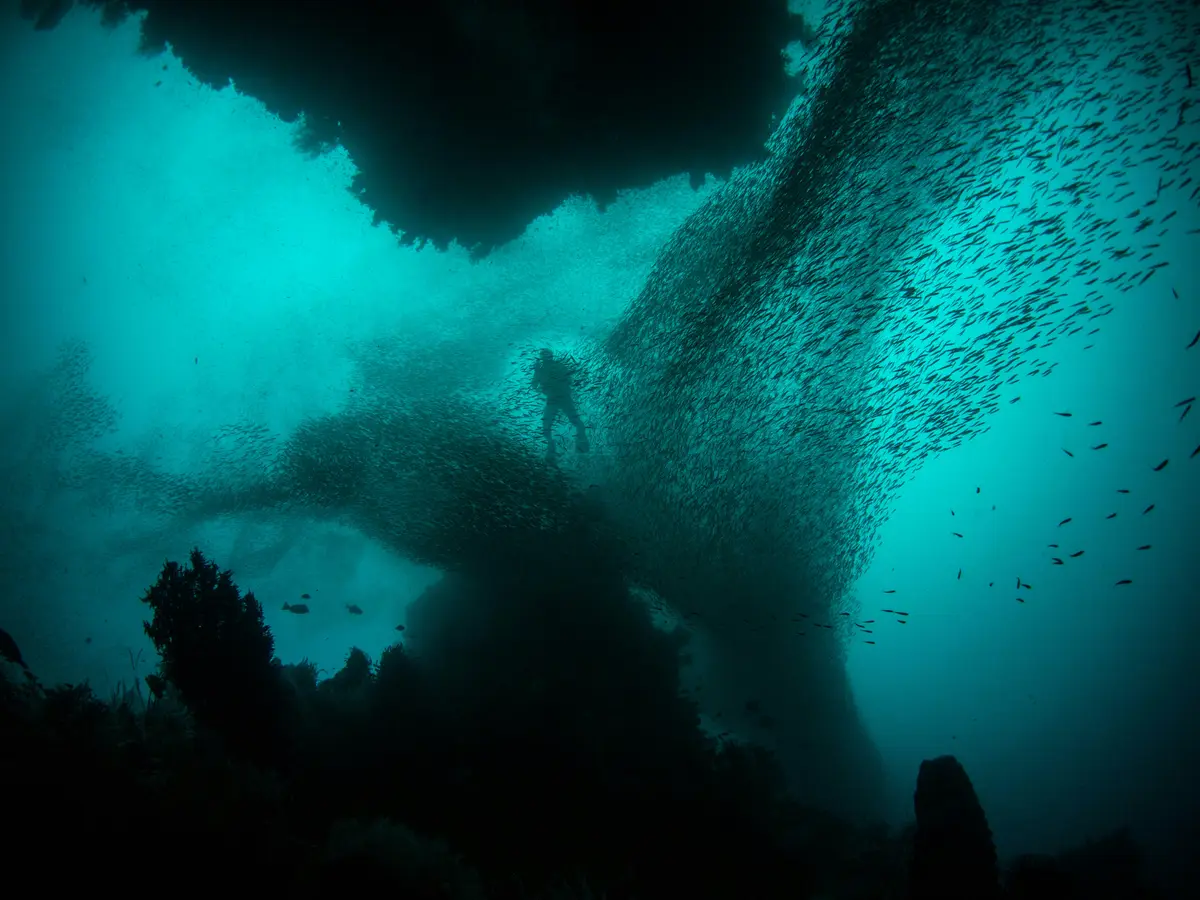
Imagine the ocean has a secret!
Deep down, where the sun's light doesn't reach, scientists found something amazing.
They discovered that rocks in the ocean, called polymetallic nodules, are making oxygen, even without sunlight.
These rocks contain metals like nickel and copper.
This finding could change how we think life started on Earth.
Scientists believe these rocks could also help us understand if life could exist in other places like the icy moons of Jupiter and Saturn.
But some mining companies want to mine these rocks for their metal content.

Scientists found oxygen production in the deep ocean.
The oxygen is produced within polymetallic nodules.
Nodules contain metals like nickel, copper, and cobalt.
This discovery could change how scientists view the origin of life.
Mining companies are interested in extracting metals from the nodules.
- Who
- Scientists, led by Andrew Sweetman
- What
- Discovered oxygen production within polymetallic nodules in the deep ocean and the presence of various metals.
- When
- Oxygen levels noted in 2013; research published recently.
- Where
- Clarion-Clipperton Zone (CCZ) in the Pacific Ocean.
- Why
- To understand the origins of life on Earth and potentially on other celestial bodies.
Environmental Concerns
Economic Potential
Mining Operations
Environmental Concerns
Experts from 25 countries have requested that the International Seabed Authority (ISA) Council pause operations until the consequences of such an extraction are clear.
Economic Potential
Mining companies see the nodules as a source of metals to help power green energy.
- Location
- Clarion-Clipperton Zone (CCZ) in Pacific Ocean
- Depth of Discovery
- 13,123 feet
- Key Findings
- Oxygen production in deep ocean; presence of polymetallic nodules
- Metals Present
- Nickel, manganese, copper, zinc, cobalt
- Research Journal
- Nature Geoscience
- Study Lead
- Andrew Sweetman