1 week ago
How Military Cargo Pants Became Modern Fashion Staples

Cargo pants were first made for soldiers.
Their extra pockets helped soldiers carry more equipment.
In the 1940s, William P. Yarborough adapted the design for American paratroopers.
Paratroopers needed to keep gear with them when jumping from airplanes.
After the war, surplus stores sold the pants cheaply.
Outdoor workers and counterculture groups began wearing them.
The style later became popular in hip-hop and skate culture.
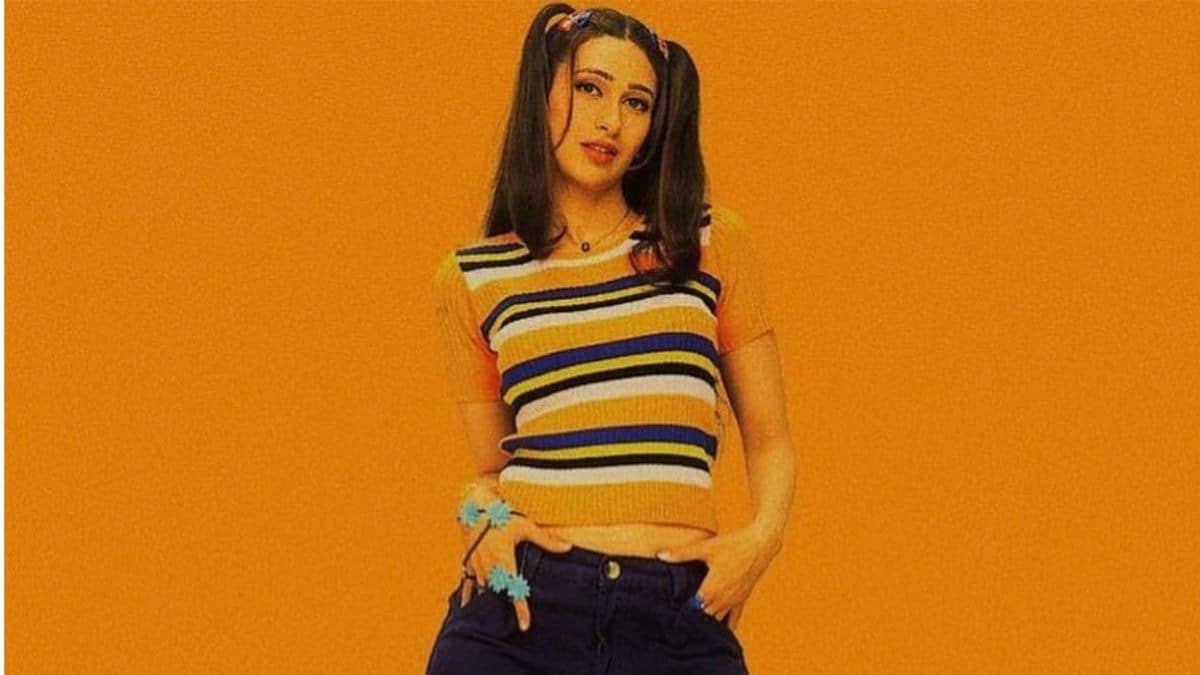
Cargo pants have returned through the Y2K fashion revival.

British military designers created cargo pants to help soldiers carry equipment.
In the 1940s, United States Army Lieutenant General William P. Yarborough adapted the design for American paratroopers.
The trousers allowed paratroopers to carry more gear on their bodies while jumping into battle.
After World War II, inexpensive military-surplus cargo pants became popular with outdoor workers and counterculture movements.
Cargo pants later entered hip-hop, skate, and Y2K fashion, leading to a modern revival.
- Who
- British military designers, United States Army Lieutenant General William P. Yarborough, American paratroopers, outdoor workers, counterculture groups, hip-hop communities, and skaters.
- What
- A military trouser design evolved into cargo pants, which later became a recurring fashion trend.
- Where
- The design crossed from Britain to the United States and later spread through civilian and fashion cultures.
- When
- The design was adapted in the 1940s, spread among civilians after the war, and resurfaced during the 1990s and the Y2K fashion revival.
- Why
- The pants were designed to help soldiers and paratroopers carry as much equipment as possible on their bodies.
Key facts
- Original purpose
- Carrying military equipment in multiple pockets
- American adaptation
- United States Army Lieutenant General William P. Yarborough adapted the design in the 1940s
- Military users
- American paratroopers
- Postwar distribution
- Military-surplus stores sold the trousers cheaply
- Early civilian adopters
- Outdoor workers and 1960s and 1970s counterculture movements
- Later fashion scenes
- 1990s hip-hop style, skate culture, and the Y2K revival
Sources
Related news
How Zippers Went From Unpopular Inventions to Everyday Essentials
Why Jeans Have Tiny Front Pockets: A 150-Year-Old Design
Hulken Rolling Tote Becomes Summer’s Unexpected Fashion Status Symbol
The Surprisingly Political History of the Hoodie

The Cummerbund’s Journey From Colonial India to Modern Fashion