Archive · 12 Sep 2026
Iran Rejects US ‘Regional Policeman’ Role Amid Hormuz War
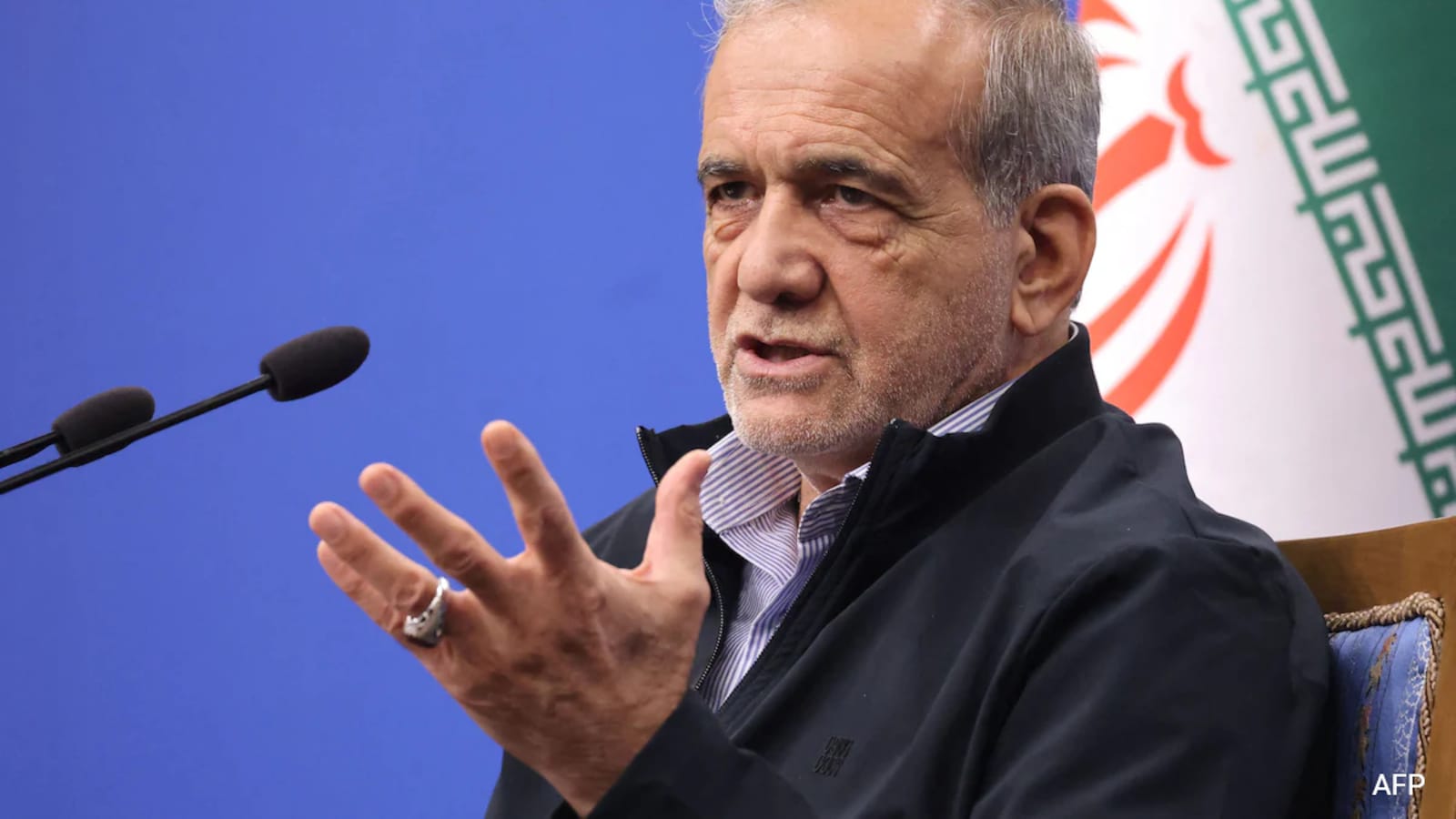
Iran’s president said Middle Eastern countries should manage their own security.
He said they do not need the United States to act as a regional policeman.
He made the comments while meeting Malaysia’s prime minister in New Delhi.
The remarks came during a war involving Iran, the United States and Israel.
The conflict began on February 28, according to the articles.
Iran blocked the Strait of Hormuz, an important waterway for oil and energy shipments.
Iran and the United States are described as competing for control of the strait.
The blockade has helped push oil prices above $100 a barrel.
Pezeshkian said Iran wants peace and does not want the war to continue.

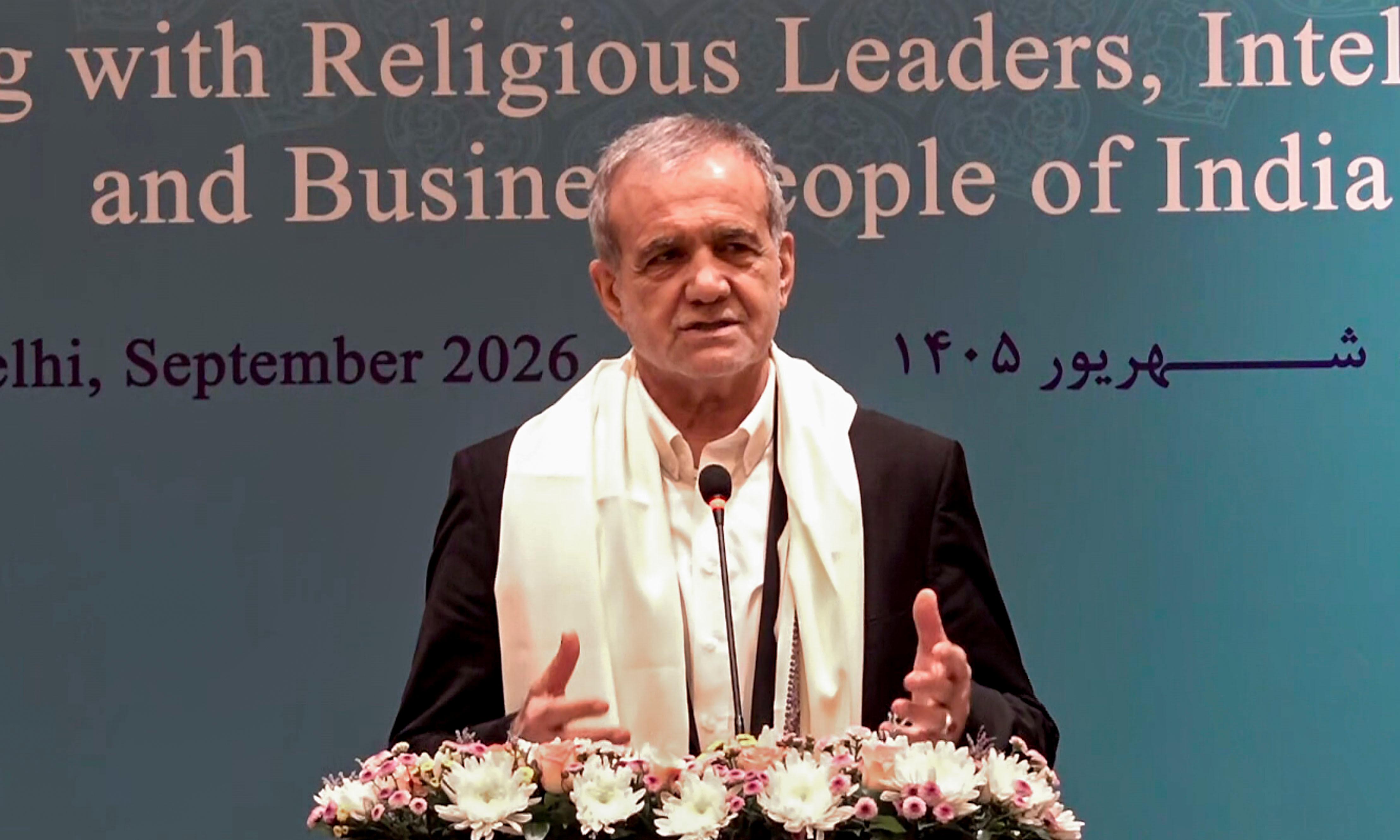
Iranian President Masoud Pezeshkian said the Middle East does not need the United States as a “regional policeman.”
Pezeshkian said regional countries should guarantee the region’s territorial integrity and security.
He made the remarks during a meeting with Malaysian Prime Minister Anwar Ibrahim at a BRICS summit in New Delhi.
The articles say Iran has blocked the Strait of Hormuz and is competing with the United States for control of the waterway.
Pezeshkian said Iran does not want the war to continue and that peace remains its priority.
- Who
- Iranian President Masoud Pezeshkian, Iran, the United States, Israel and regional countries are involved or mentioned.
- What
- Pezeshkian said the Middle East does not need a United States regional policeman and that regional countries should guarantee their own security.
- When
- The remarks were made on Saturday; the articles say the war began on February 28 and has continued for more than six months.
- Where
- The remarks were made in New Delhi, India, during a BRICS summit; the wider dispute involves the Strait of Hormuz.
- Why
- Pezeshkian said regional security should be managed by countries in the region and said peace is Iran’s priority.
Iran’s Stated Position
US Role Described in the Articles
Who should provide regional security?
Iran’s Stated Position
Pezeshkian said the region’s main players and countries should guarantee its territorial integrity and security.
US Role Described in the Articles
The articles describe the United States as maintaining military involvement and challenging Iran’s control of the Strait of Hormuz; they do not include a direct US response to Pezeshkian’s remarks.
Control of the Strait of Hormuz
Iran’s Stated Position
Iran has blocked the strait, requires vessels to obtain permission and is considering service fees, according to the articles.
US Role Described in the Articles
The United States is described as competing with Iran for control of the waterway and periodically bombing the Iranian coastline to challenge Iran’s control.
War and peace
Iran’s Stated Position
Pezeshkian said Iran neither wants war nor its continuation and that peace remains its priority.
US Role Described in the Articles
The articles say attempts to end the conflict have failed to produce positive results while the war and blockade continue.
- Speaker
- Iranian President Masoud Pezeshkian
- Main message
- The Middle East does not need the United States as a “regional policeman.”
- Meeting
- Pezeshkian met Malaysian Prime Minister Anwar Ibrahim during a BRICS summit in New Delhi.
- Conflict start
- The articles identify February 28 as the beginning of the war.
- Strategic waterway
- The Strait of Hormuz
- Iran’s position
- Iran does not want the war or its continuation, and peace remains its priority.
- Economic impact
- The articles say the blockade helped push oil prices above $100 a barrel this week.