

Archive · 13 Nov 2025
7 Animals That Can Survive Extreme Conditions Like Fire and Radiation
Some animals are super tough, like tiny 'water bears' called tardigrades that can survive being frozen, boiled, and even space!
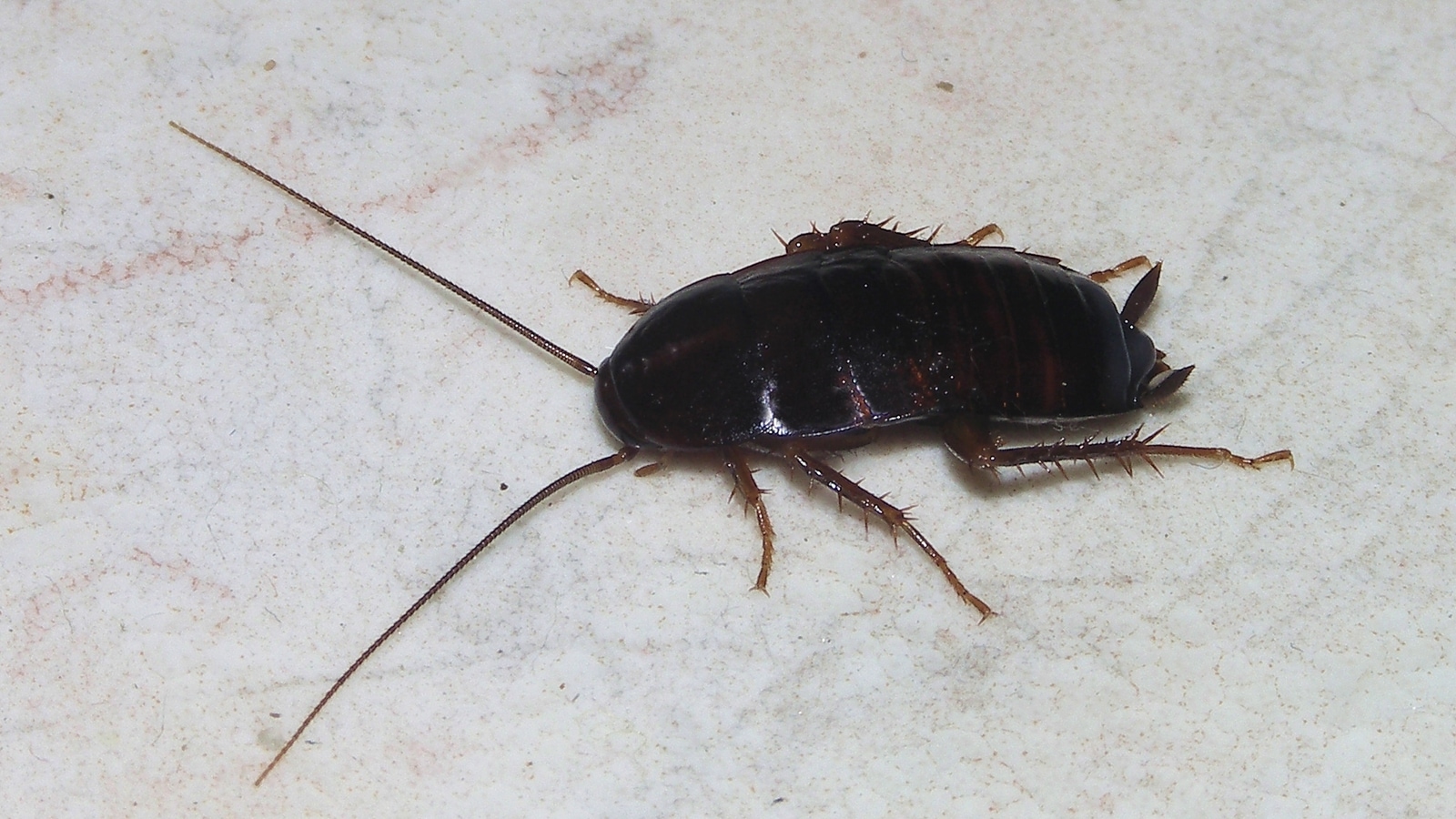
Cockroaches can handle a lot more radiation than people, which is why they were seen after big explosions.
Wood frogs can freeze solid in winter and come back to life when it's warm.
Some wasps have special genes that protect them from radiation, like a tiny suit of armor.
Ants can even live in places with radiation, like old bunkers.
Certain beetles actually like fire because they lay their eggs in burned trees.
And scorpions are old survivors that can handle heat and radiation really well.
These creatures show us how amazing and adaptable life on Earth can be!

Tardigrades can survive extreme conditions including dehydration, freezing, boiling, high radiation, and even space.
Certain species of cockroaches can endure radiation levels up to 10 times higher than humans.
Wood frogs can survive winter by freezing solid and thawing out in spring.
Braconid wasps possess radiation resistance due to their rigid genetic structure.
Ant colonies have been found adapting and surviving within radioactive environments, such as nuclear bunkers.
Pyrophilic beetles are attracted to forest fires to reproduce and have adaptations to survive heat.
Scorpions are highly tolerant of extreme heat, radiation, and can survive long periods without food.
- Who
- Tardigrades, cockroaches, wood frogs, braconid wasps, ants, pyrophilic beetles, and scorpions
- What
- Animals with extraordinary survival abilities against extreme conditions like fire, radiation, freezing, and vacuum.
- When
- These abilities have allowed them to survive past extinction events and are present in current populations.
- Where
- Found in diverse habitats including moss, soil, deep-sea vents, urban environments, forests, and even abandoned nuclear bunkers.
- Why
- These animals have evolved unique biological mechanisms, genetic structures, or behavioral adaptations to endure extreme environmental challenges.
- Tardigrades
- Microscopic animals found in moss, soil, and deep-sea vents, capable of surviving dehydration, freezing, boiling, high radiation, and space exposure.
- Cockroaches
- Certain species can withstand up to 10 times more radiation than humans (around 1,000 rads).
- Wood Frogs
- Can survive harsh winters by freezing solid; their hearts stop beating and they thaw out in spring.
- Braconid Wasps
- Some species have unusual radiation resistance due to a rigid genetic structure that helps withstand cell damage.
- Ants
- A colony was found surviving in an abandoned Soviet nuclear bunker, adapted to radioactive environments.
- Pyrophilic Beetles
- Attracted to forest fires to lay eggs in burned trees; possess heat-detecting sensors and tough exoskeletons.
- Scorpions
- Survivors of mass extinctions, volcanic eruptions, capable of withstanding intense heat, radiation, and starvation.