

Archive · 14 Dec 2025
Pests Thrive in Bangladesh and India Tea Gardens Amid Warmer Weather
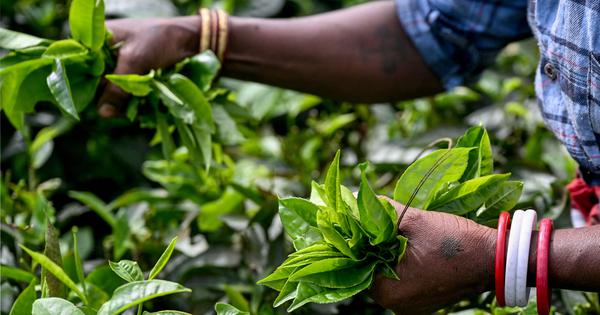
Tea gardens in Bangladesh and India are facing big problems with pests like red spider mites and looper caterpillars.
These pests are growing because the weather is getting warmer, with longer summers and shorter winters.
The tea plants are getting sick, and the pests are eating more of them.
Farmers are trying to fix this by using different pesticides and making the soil healthier.
They are also studying how to stop these pests better.
Both countries are producing less tea because of these pests.
Scientists are working together to find solutions.

Pests like red spider mites, thrips, and looper caterpillars are increasing in tea gardens due to warmer weather.
Bangladesh and India, major tea producers, are experiencing significant pest infestations affecting tea production.
Rising nighttime temperatures and extended summers are contributing to the pest problem.
Farmers are using more pesticides and exploring integrated pest management to control the infestations.
Researchers are studying climate change impacts on tea plantations and developing solutions like biochar to improve soil health.
- Who
- Tea plantation researchers and entomologists in Bangladesh and India
- What
- Pest infestations in tea gardens due to warmer weather
- When
- Ongoing, with significant observations in 2024
- Where
- Tea estates in Bangladesh (Sylhet and Chattogram regions) and India (Assam, West Bengal, North India, South India)
- Why
- Extended summers, delayed monsoons, and shorter winters are causing pest infestations
- Countries Affected
- Bangladesh and India
- Major Pests
- Red spider mites, thrips, looper caterpillars, tea mosquito bugs, red coffee borers, green weevils, red slug caterpillars
- Bangladesh Tea Production (2024)
- 93 million kg
- India Tea Production (2024)
- 1.3 billion kg
- Annual Tea Loss in India
- 147 million kg (worth $318 million)
- Temperature Impact
- Rising nighttime temperatures and extended summers
- Pest Management
- Integrated pest management, soil health improvement, biochar use
- Research Focus
- Climate change impacts on tea plantations