

Archive · 19 Jan 2026
AI Integration in Policing Raises Concerns
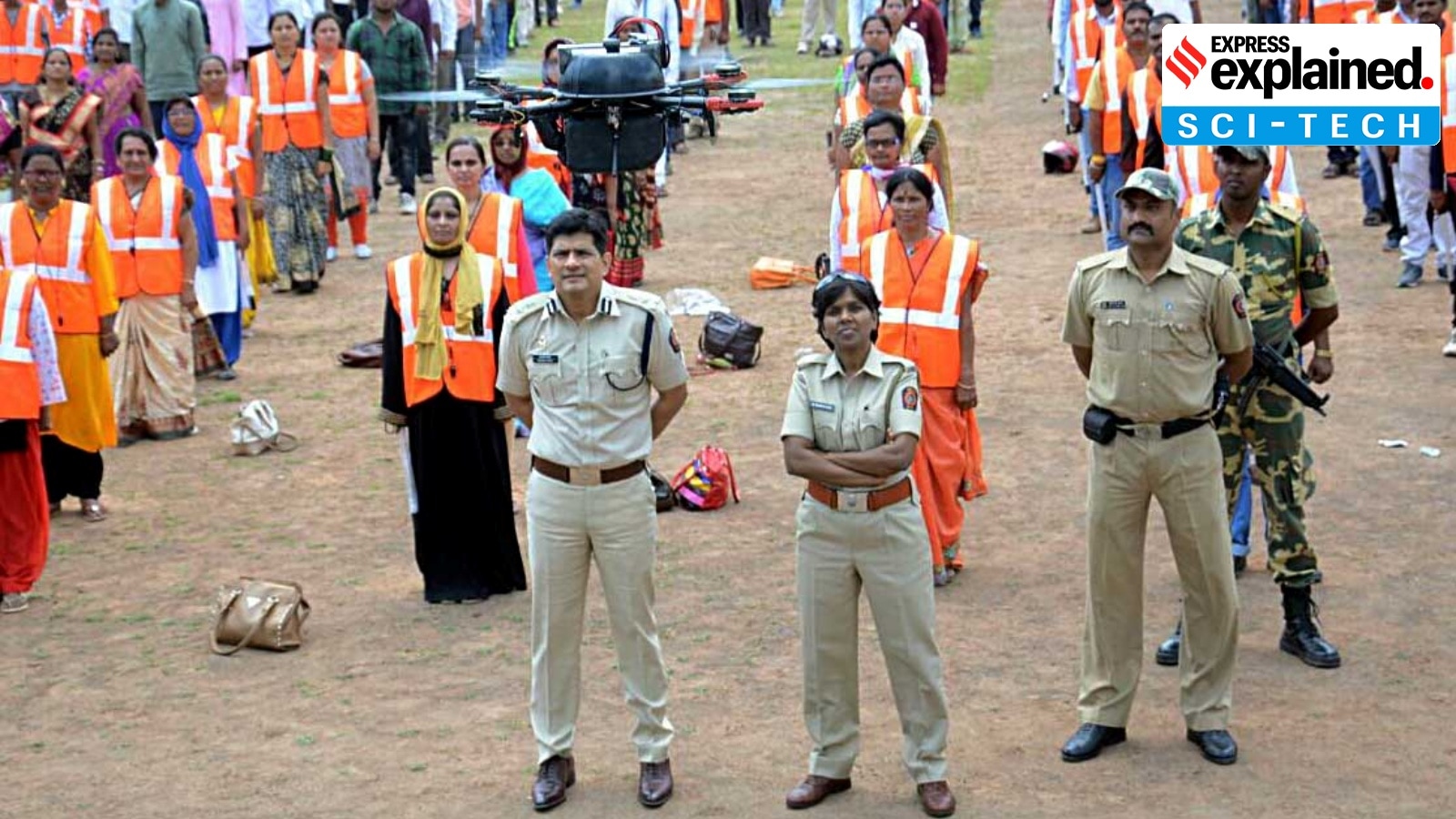
The Indian police are using AI tools like cameras with face recognition and software to help with their work.
These tools can watch over cities, predict where crimes might happen, and even monitor social media.
Some experts are worried because these tools can make the police more powerful and might unfairly target certain people.
They also think it can lead to too much policing, making people feel like they are always being watched.
There have been calls for new rules to make sure AI is used fairly and safely, and some experts think the police themselves need to change how they work to protect people's rights.

Indian police are integrating AI tools like face recognition cameras and predictive policing software into their operations.
Experts warn that AI integration can lead to centralisation of power and excessive policing, undermining citizens' rights.
AI tools are trained on historical police data, which can be biased and result in unfair targeting of certain communities.
The use of AI in policing raises concerns about transparency, as there are no clear rules for how these systems should work.
Experts call for legal frameworks and police reforms to regulate the use of AI and protect fundamental rights.
- Who
- Indian police forces and experts like Srinivas Kodali and Shivangi Narayan.
- What
- Integration of AI tools in police operations for surveillance, predictive policing, and social media monitoring.
- When
- Recent initiatives include the Delhi 'Safe City Project' and Maharashtra's MahaCrime OS AI launched in 2025.
- Where
- Across various states in India, with specific examples from Delhi, Maharashtra, and Telangana.
- Why
- To increase efficiency and better handle manpower, but experts raise concerns about centralisation of power, excessive policing, and potential biases.
- AI Tools in Policing
- AI-driven tools for surveillance, predictive policing, and social media monitoring.
- Centralisation of Power
- AI integration leads to centralised control over policing operations.
- Excessive Policing
- AI tools can result in over-policing and undermine citizens' rights.
- Data Sources
- Criminal Tracking Network and Systems (CCTNS) provides data for AI training.
- Concerns Raised
- Potential for biased targeting, lack of transparency, and reduced human connection.
- Regulatory Calls
- Experts advocate for legal frameworks and police reforms to regulate AI use.
- Incident in Telangana
- Mohammed Khadeer Khan detained due to facial recognition error, leading to fatal consequences.
- Police Reforms Needed
- Reforms in laws like the Criminal Procedure (Identification) Act, 2022, to protect privacy.