

Archive · 19 May 2025
Seaweed Farm in Australia Aims to Reduce Livestock Emissions
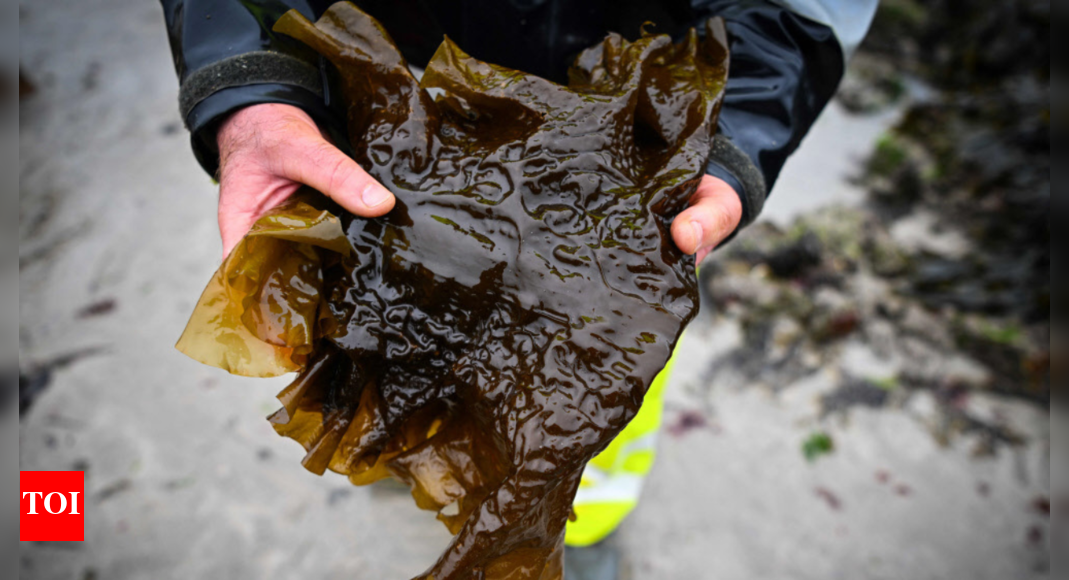
An Australian seaweed farm is growing seaweed to reduce methane emissions from livestock.
The seaweed, called asparagopsis, is added to the animals' food and reduces their burps and farts, which contain methane.
Methane is a gas that contributes to climate change.
The seaweed farm aims to help make agriculture more sustainable without raising costs for farmers or consumers.
Studies show the seaweed can suppress methane emissions by up to 95% without harming the animals or affecting the meat quality.
The farm is already working with several companies and has plans for further expansion.

An Australian seaweed farm is cultivating asparagopsis to reduce methane emissions from livestock.
The seaweed is added to animal feed, reducing methane released through burps and flatulence.
Studies indicate the seaweed can suppress methane emissions by up to 95%.
The farm aims to make agricultural products sustainable without extra costs to farmers.
Sea Forest is already collaborating with several companies, including a dairy and burger chain.
- Who
- Sea Forest, Fran Cowley (researcher)
- What
- A seaweed farm aims to reduce livestock methane emissions.
- When
- August 2024 (study published)
- Where
- Tasman Sea, Australia
- Why
- To reduce methane emissions and combat climate change.
- Location
- Tasman Sea, Australia
- Farm Size
- 1,800 hectares (4,400 acres)
- Seaweed Type
- Asparagopsis
- Methane Suppression
- 95%
- Sea Forest Founded
- 2019
- Feed Supplements
- Oils, pellets, lick blocks