

Archive · 16 Dec 2025
Zinc's Role in India's Infrastructure Growth
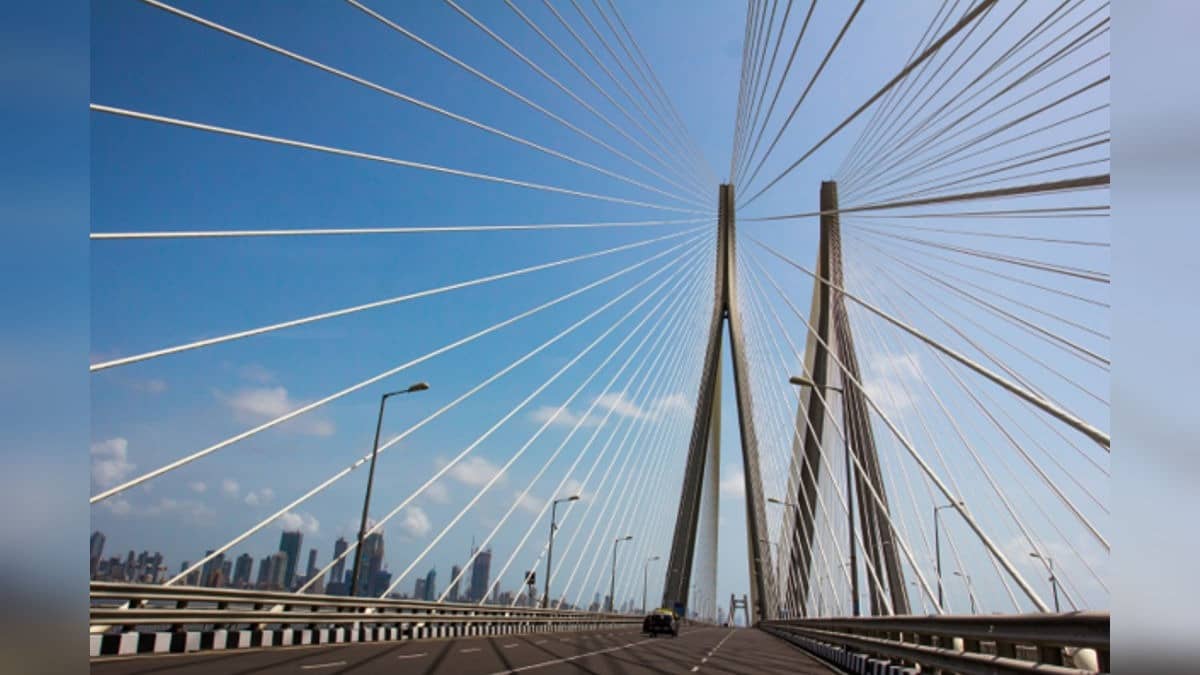
India is building a lot of new infrastructure like roads, bridges, and buildings.
Steel is used in these projects, but it can rust and get damaged over time.
Zinc is a metal that can be coated on steel to protect it from rust.
This process, called galvanisation, makes the steel last much longer and reduces the need for repairs.
Using zinc not only saves money but also helps the environment by reducing waste and emissions.
As India continues to grow, using zinc in infrastructure is becoming more important to ensure that buildings and systems remain strong and reliable for many years.

India's infrastructure growth relies heavily on steel, which is vulnerable to corrosion.
Hot-dip galvanisation with zinc provides long-term protection against corrosion.
Galvanised Iron (GI) pipes are crucial for maintaining water supply systems and fire safety.
Galvanisation extends the lifespan of transport and energy infrastructure, reducing maintenance needs.
Durable infrastructure through galvanisation aligns with India's sustainability and climate goals.
- Who
- Bernardo Duran, Manager at International Zinc Association
- What
- The critical role of zinc in India's infrastructure growth and corrosion protection
- When
- Present and future infrastructure development in India
- Where
- India
- Why
- To ensure long-term durability and sustainability of infrastructure
- Author
- Bernardo Duran - Manager, Technology & Market Development, International Zinc Association
- Core Material
- Steel
- Protection Method
- Hot-dip galvanisation
- Key Benefit
- Long-term corrosion protection
- Critical Application
- Infrastructure and utilities
- Sustainability Impact
- Reduces resource demand and emissions
- National Goal
- Viksit Bharat 2047