Archive · 19 Jan 2026
Trump's policies strain US-Europe relations

The United States and Europe have had disagreements many times since World War II.
In 1956, the U.S. pressured Europe to stop the Suez Crisis.
In the 1980s, Europe protested U.S. nuclear missiles.
In 2003, Europe opposed the U.S. invasion of Iraq.
In 2025, President Trump reduced aid to Ukraine, upsetting European leaders.
Trump also threatened trade tariffs on Europe, making relations worse.
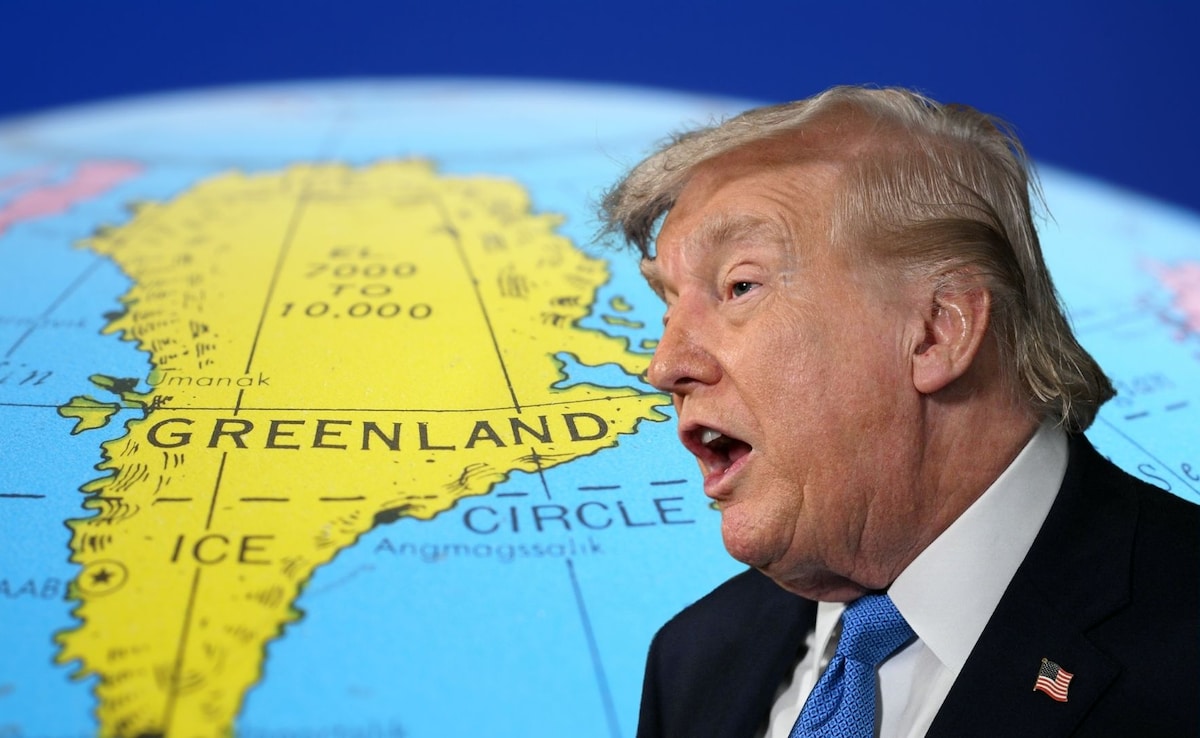
Additionally, Trump's actions, like abducting the Venezuelan President and threatening to take Greenland, have caused concern among allies.
His policies have also affected the U.S. internally, with attacks on universities and cultural institutions, and the deployment of armed forces in major cities.

The U.S. pressured Europe to stop the 1956 Suez Crisis, straining relations.
Europe protested U.S. nuclear missiles in the 1980s, fearing a new arms race.
The 2003 U.S. invasion of Iraq caused a major crisis with Europe, especially France and Germany.
President Trump's 2025 policy on Ukraine alarmed European leaders, who see their security at stake.
Trump threatened heavy trade tariffs on Europe in 2024, seen as a deeply hostile move.
- Who
- United States and European countries
- What
- Diplomatic and political disputes, trade tariffs, military actions
- When
- From 1956 to 2025
- Where
- Trans-Atlantic relations, global
- Why
- Differing interests and policies, security concerns, trade imbalances
- Suez Crisis
- 1956
- SS-20 Missiles
- 1980s
- Iraq Invasion
- 2003
- Trump's Ukraine Policy
- 2025
- Trade Tariffs
- 2024
- Venezuela Abduction
- 2025
- Greenland Threat
- 2025
- China Trade
- 2025
- Global Associations
- 66