

Archive · 18 Jun 2025
Music's Power: Resilience and Resistance in Times of Conflict
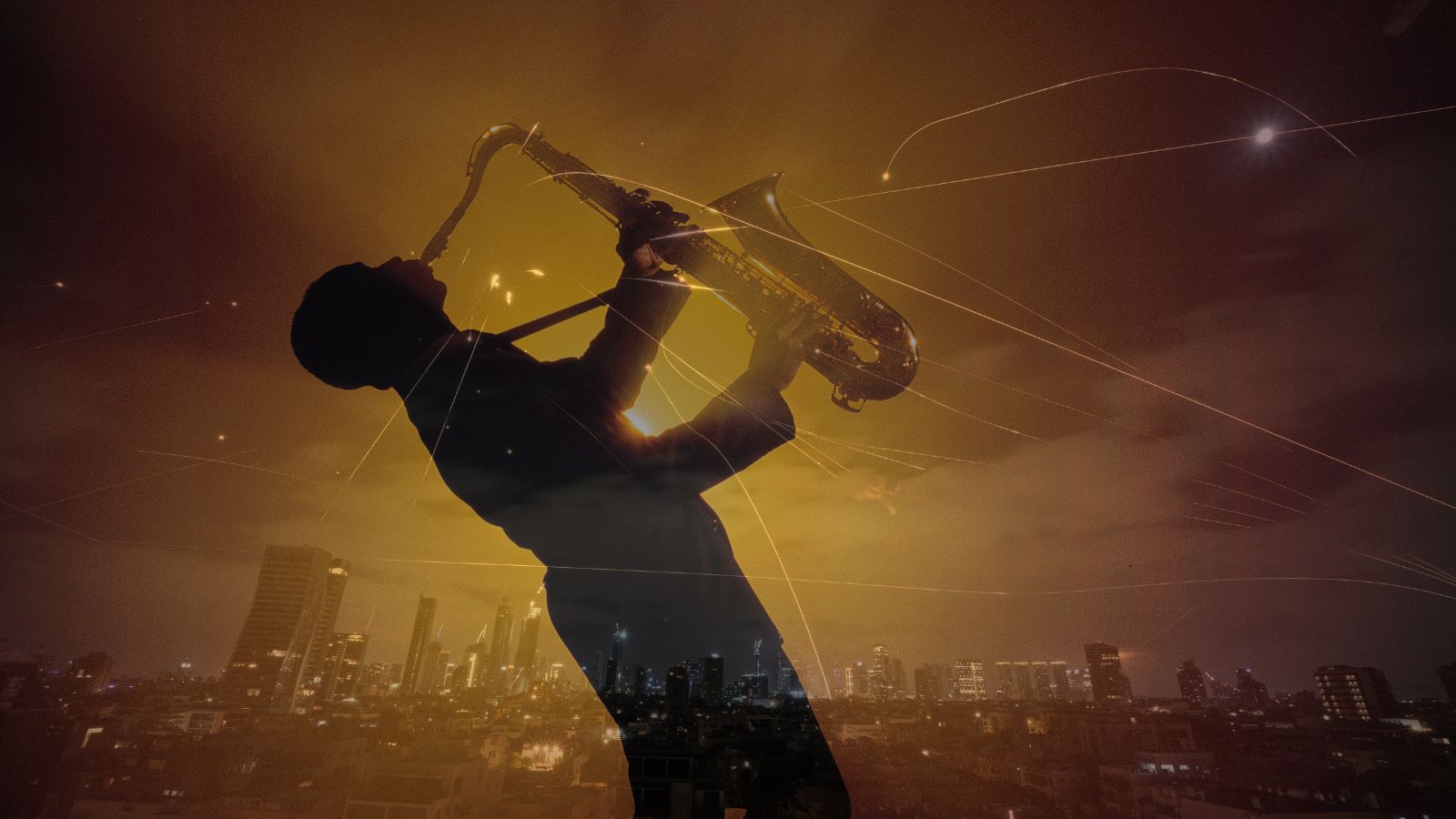
Sometimes, even when bad things are happening, people find ways to express themselves through music.
In Beirut, a musician played a saxophone while there was fighting.
Music can be a way to stand strong and share feelings.
It can also bring people together and give them hope.
People have used music to fight for change, and also been used as a tool of war.
Music is a powerful tool that can have different meanings.

Music persists amid conflict, serving as a form of resilience and resistance.
A saxophonist in Beirut played during conflict, sparking online debate.
Music is used for various purposes: uniting, propaganda, and expressing identity.
Examples of protest music include Dalit pop in India and Ukrainian singers' wartime performances.
Music's duality is highlighted: it can unite or be weaponized, as seen with Beethoven.
- Who
- Musicians, artists, and people affected by conflict.
- What
- Music's role in times of conflict and its diverse functions.
- When
- Recent and historical examples of music during conflict.
- Where
- Beirut, Kyiv, India, and other locations.
- Why
- To express resilience, resist oppression, and unite people.
Music as Resistance
Music as Propaganda
Role in Society
Music as Resistance
Music expresses resilience and acts as a tool to fight for change.
Music as Propaganda
Music can be weaponized to cause conformism and spread propaganda.
- Location of Performance
- Beirut, Lebanon
- Artist in Beirut
- Alain Otayek
- City of Ukrainian Performance
- Kyiv
- Conflict Mentioned
- Iran-Israel, Russian-Ukraine war
- Music Genre of Resistance
- Blues, Dalit Pop