Archive · 13 Sep 2026
BRICS Leaders Warn of Growing Nuclear Danger, Protect Facilities

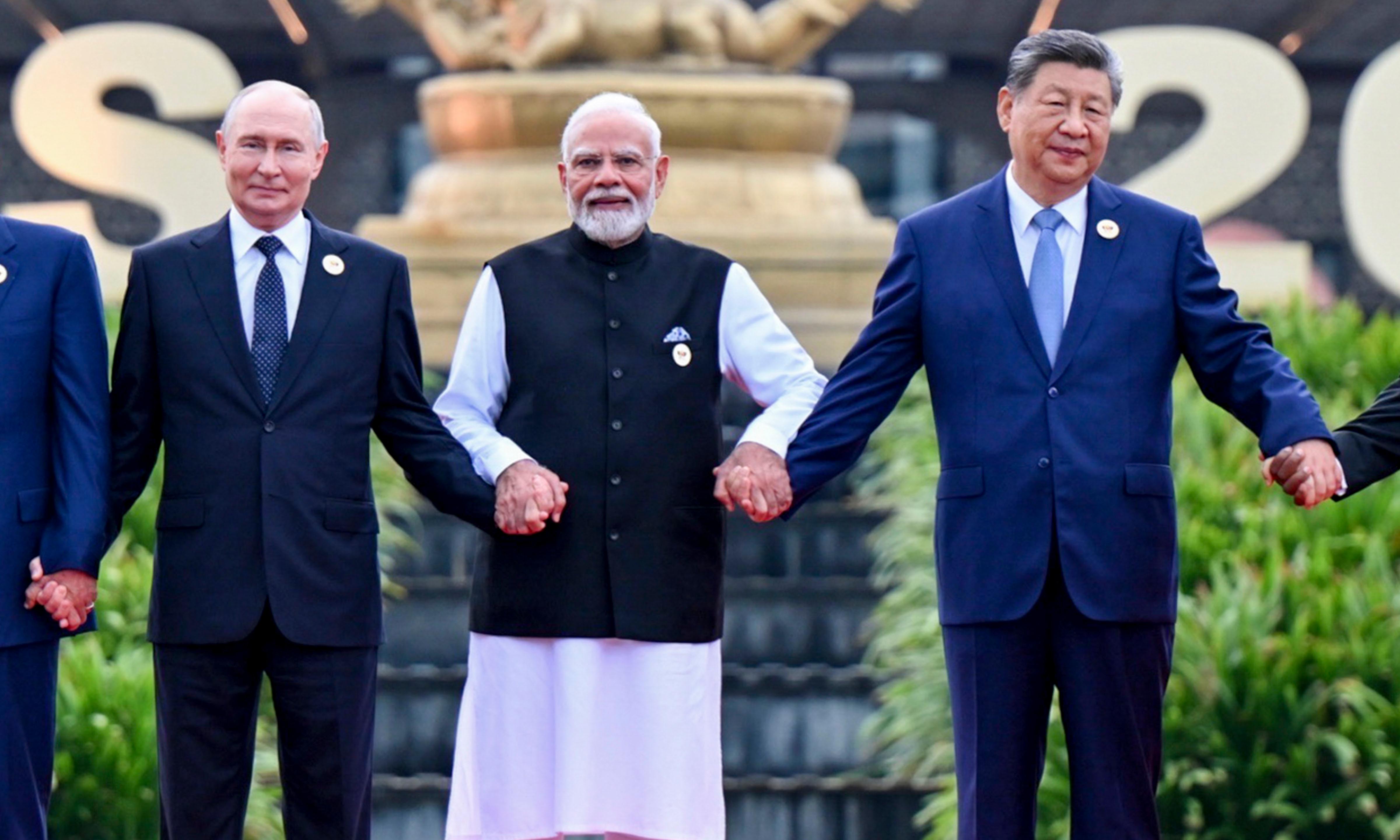
BRICS leaders met in New Delhi to discuss international security.
They said the danger of nuclear conflict is growing.
They criticized attacks on civilian buildings and peaceful nuclear facilities.
They said nuclear facilities must stay safe even during wars.
The leaders supported reducing nuclear weapons and preventing their spread.
They also supported areas where nuclear weapons are not allowed.
They backed efforts to create a nuclear-free zone in the Middle East.
The statement did not name countries responsible for the attacks mentioned.
BRICS members agreed on the declaration despite disagreements involving the United Arab Emirates and Iran.

BRICS leaders adopted the New Delhi Declaration during the summit’s opening day in New Delhi.
The declaration condemned deliberate attacks on civilian infrastructure and IAEA-safeguarded peaceful nuclear facilities.
Leaders said nuclear safeguards, safety and security must be upheld during armed conflicts.
BRICS called for stronger disarmament, arms control and non-proliferation efforts.
Members reached consensus despite UAE-Iran differences, while avoiding direct attribution for regional attacks.
- Who
- BRICS leaders, including Narendra Modi, Xi Jinping, Vladimir Putin, Masoud Pezeshkian and Mohamed bin Zayed Al Nahyan.
- What
- They adopted the New Delhi Declaration expressing concern about nuclear dangers and attacks on civilian and safeguarded nuclear facilities.
- When
- On the first day of the two-day BRICS Summit, described in the articles as Saturday.
- Where
- New Delhi, India.
- Why
- To emphasize nuclear safety and support disarmament, arms control, non-proliferation and international stability.
- Declaration
- New Delhi Declaration
- Main concern
- Growing risks of nuclear danger and conflict
- Facilities addressed
- Civilian infrastructure and peaceful nuclear facilities under full International Atomic Energy Agency safeguards
- Safety position
- Nuclear safeguards, safety and security must be upheld, including during armed conflicts
- Diplomatic outcome
- BRICS reached consensus despite differences between the United Arab Emirates and Iran over the West Asia conflict
- Nuclear-free zones
- Leaders supported existing nuclear-weapons-free zones and efforts to establish a Middle East zone free of nuclear weapons and other weapons of mass destruction
- Membership expansion
- Egypt, Ethiopia, Iran, the United Arab Emirates and Saudi Arabia joined in 2024; Indonesia joined in 2025