Archive · 3 Dec 2025
WHO Issues Guidelines for Obesity Treatment with GLP-1 Drugs

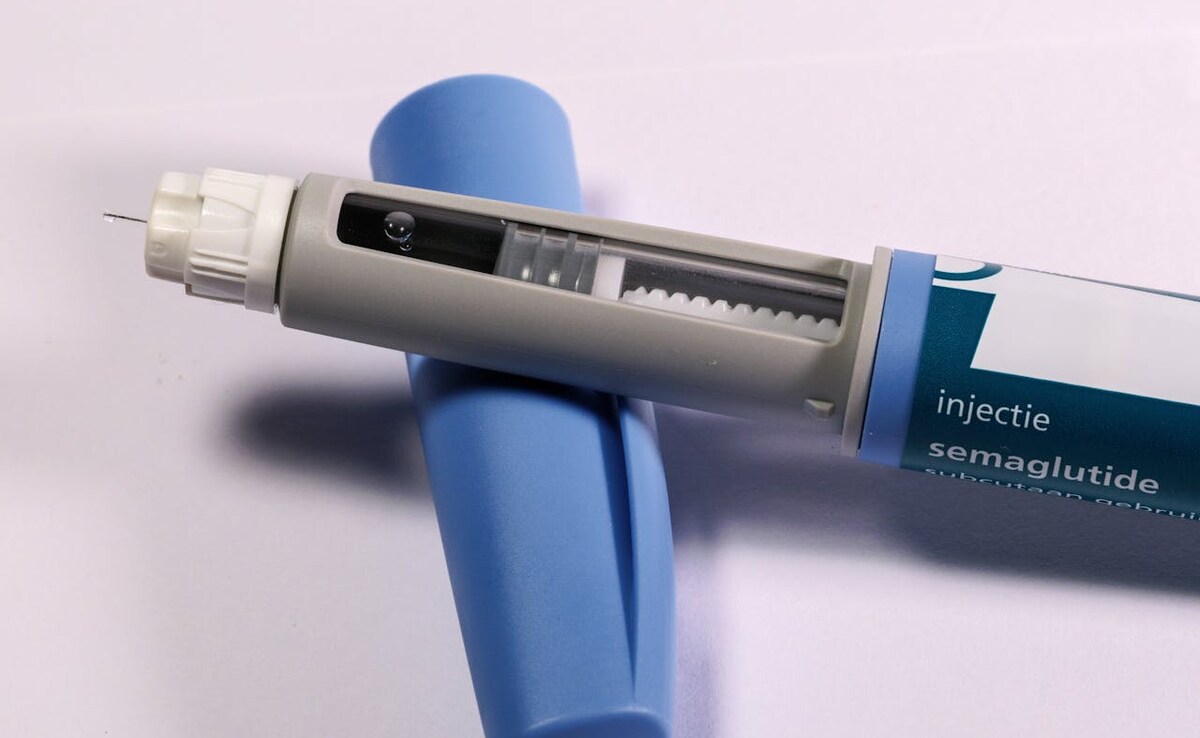
The World Health Organization (WHO) has released its first guidelines on using GLP-1 medicines to treat obesity.
These medicines can help people lose weight, but they should be used along with other treatments like diet and exercise.
The WHO says obesity is a serious, long-term disease that needs ongoing care.
Right now, there aren't enough of these medicines for everyone who needs them, and they can be expensive.
The WHO is working to make these medicines more available and affordable.
They also want to improve healthcare systems to better treat obesity.
There are currently 12 approved GLP-1 therapies, and 40 more are being developed.
The guidelines are for adults with a Body Mass Index of 30 or higher, except pregnant women.
The WHO is also concerned about the safety of these medicines and the need for more long-term data.

WHO issued its first guidelines on using GLP-1 therapies for obesity treatment, recommending long-term use alongside behavioral therapy.
Obesity is described as a chronic disease requiring lifelong care, with comprehensive treatment including screening, early diagnosis, and management of related complications.
There are 1 billion people living with obesity globally, with numbers projected to double by 2030 if no action is taken.
Currently, 12 GLP-1 therapies are approved for obesity or Type-2 diabetes, with 40 more in development.
The WHO calls for equitable access to these medicines, highlighting barriers such as high costs, limited production capacity, and supply-chain issues.
- Who
- World Health Organization (WHO)
- What
- Issued guidelines for using GLP-1 therapies for obesity treatment
- When
- Monday, December 1
- Where
- Globally
- Why
- To address the obesity crisis and provide comprehensive, lifelong care for obesity
Proponents of GLP-1 Therapies
Critics of GLP-1 Therapies
Effectiveness
Proponents of GLP-1 Therapies
GLP-1 therapies are highly effective in promoting weight loss and managing obesity.
Critics of GLP-1 Therapies
The long-term effectiveness and safety of GLP-1 therapies are still under investigation.
Accessibility
Proponents of GLP-1 Therapies
GLP-1 therapies should be made widely accessible to address the global obesity epidemic.
Critics of GLP-1 Therapies
The high cost and limited production capacity make these therapies inaccessible to many, exacerbating health disparities.
Safety
Proponents of GLP-1 Therapies
GLP-1 therapies are generally safe with manageable side effects.
Critics of GLP-1 Therapies
Potential serious side effects, such as pancreatitis and thyroid cancer, require cautious use and monitoring.
- Global Obesity Prevalence
- 1 billion people, including 188 million school-aged children and adolescents
- Projected Obesity Increase
- Numbers could double by 2030 if no action is taken
- Approved GLP-1 Therapies
- 12 therapies approved for obesity or Type-2 diabetes
- GLP-1 Therapies in Development
- 40 agents in active development
- Current Production Capacity
- Could cover around 100 million people, less than 10% of those living with obesity
- WHO Essential Medicines List
- Includes semaglutide and tirzepatide for managing type 2 diabetes in high-risk groups
- Recommended GLP-1 Agents
- Semaglutide, tirzepatide, and liraglutide
- Target Population for Guidelines
- Adults with a Body Mass Index of 30 or higher, excluding pregnant women
- Global Economic Cost of Obesity
- Projected to hit US$3 trillion a year by 2030
- Common Side Effects
- Gastrointestinal issues such as nausea, vomiting, diarrhoea, and constipation
- Serious Potential Risks
- Acute pancreatitis, gallbladder problems, and a link to thyroid cancer
Sources
WHO backs use of GLP-1 therapies for obesity, warns access will remain limited

WHO issues guidelines for using novel weight loss drugs to combat obesity: ‘Chronic disease requiring lifetime care, wider access to drugs needed’

WHO backs use of GLP-1 therapies for obesity, warns access will remain limited
"Medication Alone Won't Reverse Obesity": WHO Issues Guidelines On GLP-1 Drugs