

Archive · 18 Nov 2025
EU Rejects India's Carbon Tax Exemption Bid, Complicating Trade Talks
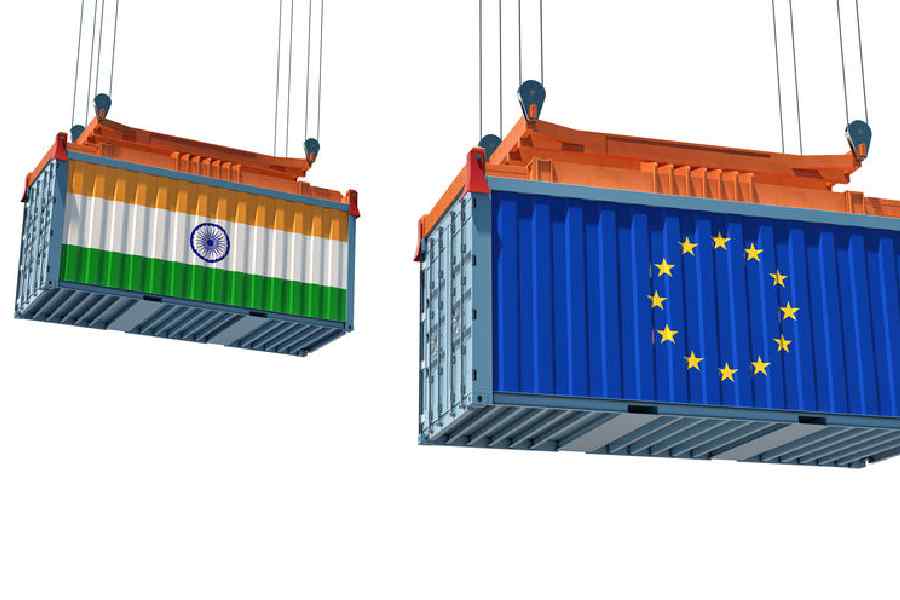
The European Union is saying no to India's request to be exempt from their new carbon border tax.
India wanted this because they're worried about their own industries being hurt by the tax.
The EU thinks India's plan won't help reduce emissions.
This is making it harder for the EU and India to agree on a trade deal they've been trying to make for a long time.

EU to deny India's request for carbon border tax exemption
India proposes own export fee on goods facing EU's carbon levy
EU unconvinced by India's proposal, cites lack of emission reduction encouragement
EU signals possible CBAM charge reduction if India adopts carbon pricing scheme
Trade deal between EU and India faces hurdles, with high tariffs and green trade measures as sticking points
- Who
- The European Union and India
- What
- Disagreement over carbon border tax exemption and trade deal negotiations
- When
- Currently, with talks ongoing since 2007
- Where
- Between the EU and India
- Why
- To protect European industries and reduce emissions (EU), and to protect Indian industries (India)
EU's Stance
India's Stance
Carbon Border Tax
EU's Stance
EU plans to implement CBAM in 2026 to protect industries and reduce emissions
India's Stance
India seeks exemption to protect its own industries
India's Proposal
EU's Stance
EU finds India's export fee proposal insufficient for emission reduction
India's Stance
India proposes charging exporters based on shipment value, not emission intensity
Trade Deal Progress
EU's Stance
EU committed to striking a mutually advantageous deal by year-end
India's Stance
India's high tariffs and concerns over green trade measures pose hurdles
- Trade Volume
- €139bn in 2023-24
- Trade Deal Goal
- Mutually advantageous deal by year-end
- CBAM Implementation
- 2026 (planned)