Archive · 2 Sep 2026
Dyson Launches $499 CameraJet AI Toothbrush With Jet Flossing

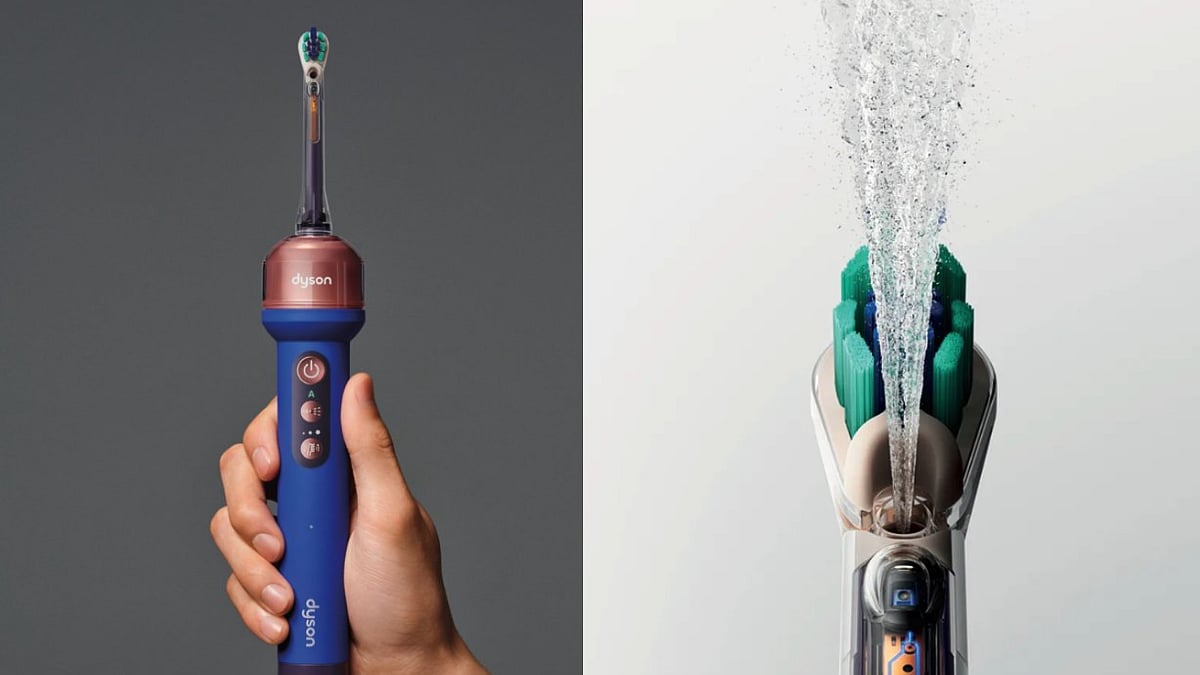
Dyson made a toothbrush called the CameraJet that costs $499.
It has a tiny camera that looks between your teeth while you brush.
An artificial-intelligence system tries to find gaps where plaque might be hiding.
When it finds one, the toothbrush sprays mouthrinse into that area.
This is meant to combine brushing, flossing and rinsing in one routine.
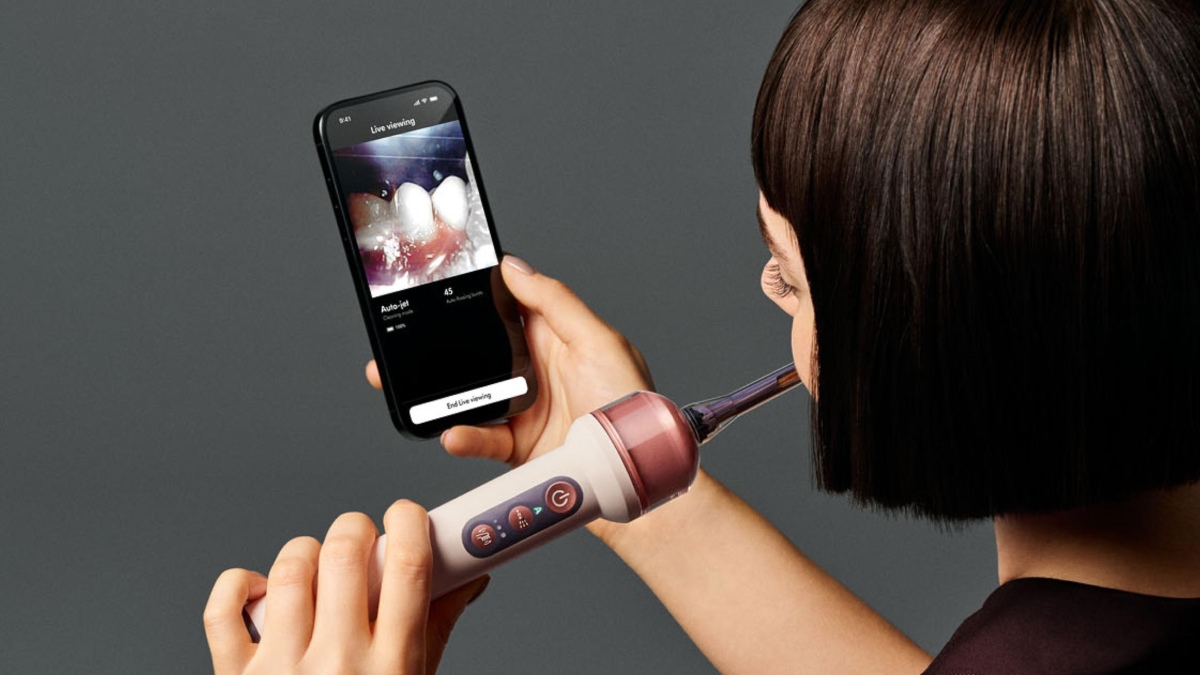
The toothbrush can show a live view and cleaning information in a phone app.
Dyson says its tests showed better cleaning in difficult areas, but those tests were not independent clinical trials.
Some people think the idea is clever, while others think the toothbrush is much too expensive.

Dyson unveiled the $499 CameraJet in Paris on September 1, combining brushing, camera-based AI and targeted mouthrinse jets.
Its 100,000-pixel camera captures 28 images per second and detects interdental gaps using the Gap Optical Targeting system.
The device can spray a cone-shaped burst of mouthrinse into a detected gap within 100 milliseconds.
Dyson says its testing found up to 69 percent more plaque removal in hard-to-reach areas, but the testing used synthetic plaque rather than an independent clinical trial.
The CameraJet connects to the MyDyson app, while its high price and specialized consumables have prompted both mockery and support online.
- Who
- Dyson launched the CameraJet, with Sir James Dyson associated with the company; online users also reacted to the product.
- What
- A $499 electric toothbrush uses a built-in camera, AI gap detection and targeted mouthrinse jets to clean between teeth.
- When
- It was unveiled on September 1 after six years of development.
- Where
- The CameraJet was unveiled in Paris and connects to the MyDyson app.
- Why
- Dyson designed it to automate interdental cleaning because many people do not floss regularly and often brush for less than the recommended time.
Supporters and Claimed Benefits
Critics and Concerns
Practical usefulness
Supporters and Claimed Benefits
Automated mouthrinse jets could help people who regularly skip manual flossing, while the camera and app provide guidance about missed areas.
Critics and Concerns
Critics see the CameraJet as an unnecessarily complex gadget for tasks that conventional toothbrushes and floss already address.
Evidence of performance
Supporters and Claimed Benefits
Dyson reports up to 69 percent greater plaque removal in hard-to-reach areas and developed its testing model with the National University of Singapore's Faculty of Dentistry.
Critics and Concerns
The result came from Dyson's own laboratory testing with synthetic plaque and was not confirmed by an independent clinical trial.
Price and privacy
Supporters and Claimed Benefits
Supporters argue that Dyson's product record and the device's advanced technology make the unusual concept worth considering.
Critics and Concerns
The $499 price, recurring costs for specialized toothpaste, mouthrinse and replacement heads, and the idea of a connected camera inside the mouth have prompted criticism and jokes online.
- Price
- $499, approximately Rs 47,300 according to one article.
- Camera
- A 100,000-pixel macro camera captures 28 images per second.
- AI system
- Gap Optical Targeting uses a machine-learning model trained on more than 470,000 dental images.
- Jet response
- The device can direct a conical mouthrinse spray at a detected gap within 100 milliseconds.
- Plaque claim
- Dyson reports up to 69 percent more plaque removal in hard-to-reach areas, based on company testing with synthetic plaque.
- Development
- Dyson says development took six years, involved 661 engineers and produced 38 related patents.
- App and privacy
- The MyDyson app offers live viewing, cleaning guidance and coverage mapping; Dyson says images are not recorded or stored on the device or in the cloud.