

Archive · 27 Jul 2026
North-East India's Enduring Folk Traditions
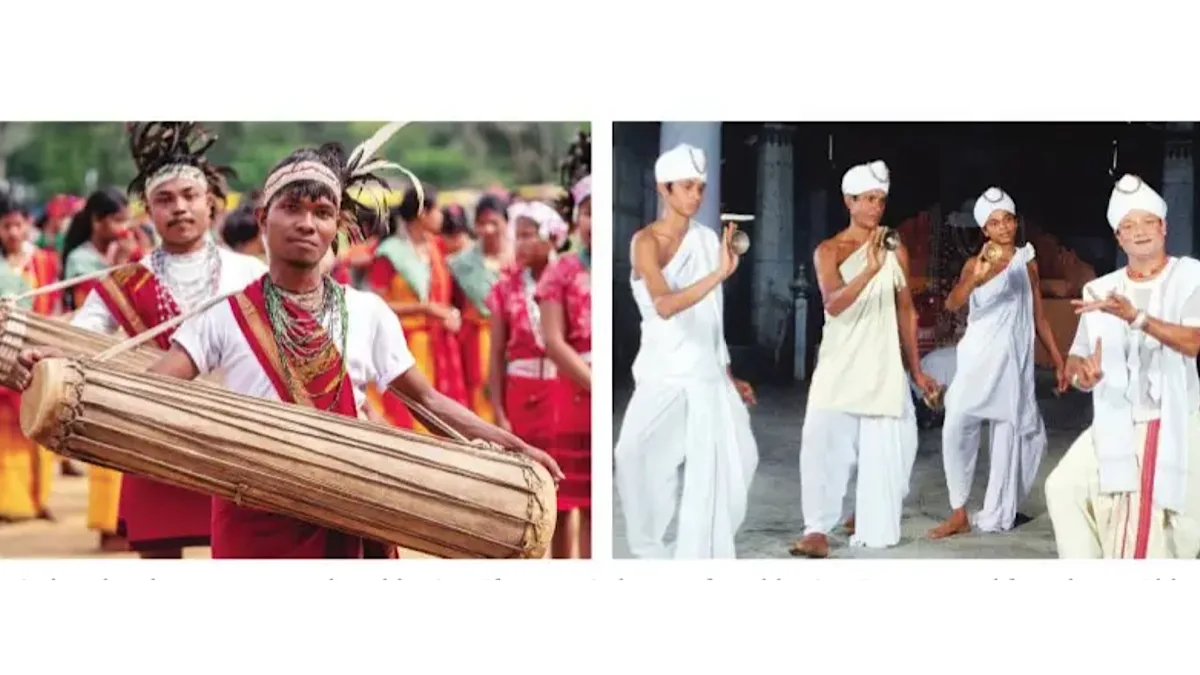
In North-East India, folk traditions like Oja-Pali, Wangala, and Hlado have been passed down through generations.
Oja-Pali combines storytelling, music, and drama to share tales of heroes and religious teachings.
Wangala songs celebrate the harvest and express gratitude to nature.
Hlado chants remember acts of bravery and significant community events.
These traditions are facing challenges from modern lifestyles but are being kept alive through festivals, cultural organizations, and digital platforms.
They serve as living archives of memory and cultural identity.

Oja-Pali in Assam combines storytelling, music, and drama to share cultural and religious tales.
Wangala songs in Meghalaya celebrate the harvest and express gratitude to nature.
Hlado chants in Mizoram preserve stories of bravery and significant community events.
These traditions are facing challenges from modern entertainment and changing lifestyles.
Efforts to preserve these traditions include festivals, cultural organizations, and digital platforms.
- Who
- Communities in North-East India
- What
- Folk traditions like Oja-Pali, Wangala, and Hlado
- When
- Centuries ago to present
- Where
- Assam, Meghalaya, Mizoram
- Why
- To preserve stories, celebrate harvests, and remember heroes
Traditionalists
Modernists
Preservation of Traditions
Traditionalists
Traditionalists emphasize the importance of preserving folk traditions as they are, maintaining their original forms and contexts.
Modernists
Modernists advocate for adapting these traditions to contemporary lifestyles and technologies to ensure their survival and relevance.
- Regions
- Assam, Meghalaya, Mizoram
- Traditions
- Oja-Pali, Wangala, Hlado
- Purpose
- Storytelling, Celebration, Memory Preservation
- Current Status
- Surviving through festivals and cultural programs
- Challenges
- Modern entertainment, changing lifestyles
- Preservation Efforts
- Festivals, cultural organizations, digital platforms