

Archive · 6 Nov 2025
America's Economy Shows K-Shaped Growth, Widening Wealth Gap
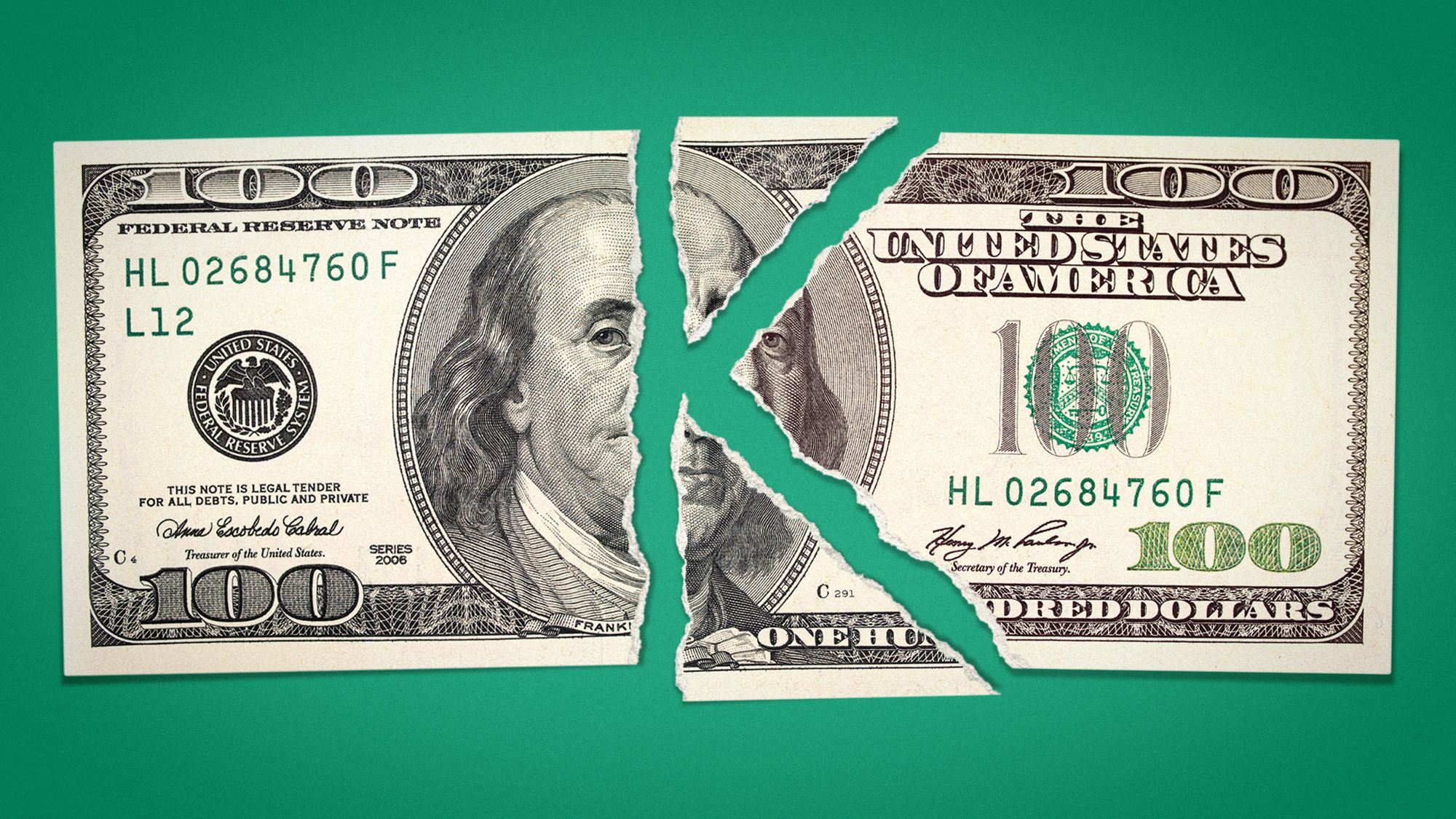
Imagine America's economy is like a drawing of the letter 'K'.
The top part of the 'K' is going up really well, meaning rich people are getting much richer.
Their stocks and houses are worth more, so they can buy lots of nice things.
But the bottom part of the 'K' is not doing so well.
This means people with less money are finding it harder to buy even everyday things.
They are worried about jobs, and prices for some things are still high.
Some big companies are noticing this and are selling more of their expensive items, but having to make their cheaper items smaller or cheaper to sell them.
This is making the gap between the rich and the poor bigger, and some people worry this could cause problems for everyone.

America's economy is increasingly K-shaped, benefiting the wealthy while lower-income groups struggle.
The richest Americans are seeing gains from a booming stock market and rising home values.
Lower and middle-income individuals face challenges with a shaky job market, high interest rates, and inflation.
Consumer spending patterns reflect the divide, with the affluent buying more, while others cut back on non-essentials.
Concerns exist about potential social and political instability due to widening economic inequality.
- Who
- Wealthy Americans and lower-income individuals/middle class.
- What
- America's economy is exhibiting a 'K-shaped' recovery, where the wealthy are prospering while lower and middle-income groups are struggling.
- When
- Increasingly in 2025 and over the last year.
- Where
- Across the American economy.
- Why
- Driven by a booming stock market and rising home values for the wealthy, contrasted with a shaky job market, high interest rates, and inflation for others, as well as economic policies driving inequality.
- K-Shaped Economy Definition
- Wealthy consumers spend freely while lower-income individuals struggle.
- Billionaire Wealth Increase
- $698 billion in the last year for America's 10 richest billionaires.
- Consumer Spending Differences
- Affluent spend on discretionary items; lower-income cut back on non-essentials.
- Corporate Brand Performance
- High-end brands show growth, while lower-end brands face price cuts.
- Economic Growth Drivers
- Top 20% of earners are responsible for economic growth.