

Archive · 3 Jun 2025
CPR: A Lifesaving Technique During Cardiac Arrest and Heart Attacks
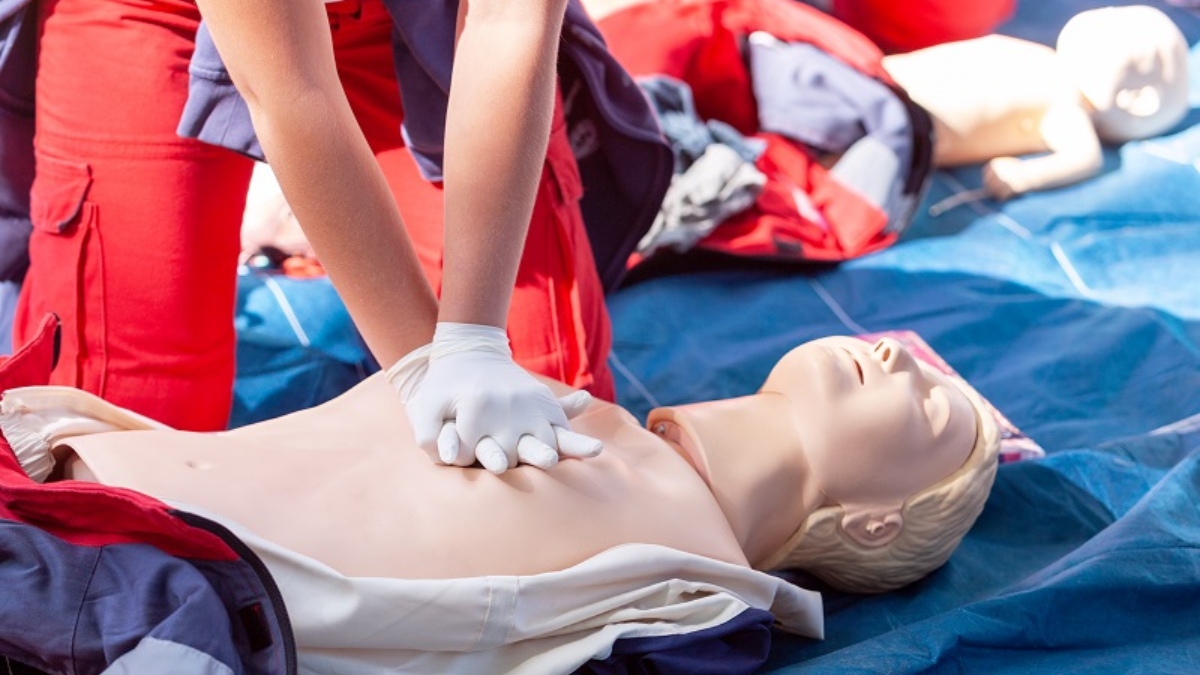
CPR, or cardiopulmonary resuscitation, is like giving a jump-start to the heart when it stops working.
If someone has a heart attack or their heart suddenly stops, CPR can keep blood flowing and help them breathe.
You do this by pushing hard and fast on their chest, like giving them a hug.
This keeps the blood moving to important parts of their body.
Sometimes, you might also need to give them breaths.
The sooner someone gets CPR and gets to the hospital, the better their chances of getting better.

CPR is a lifesaving technique for cardiac arrest and heart attacks.
Awareness of CPR is limited in India compared to other countries.
CPR helps sustain breathing and circulation until medical help arrives.
Chest compressions are the most important part of CPR.
CPR involves chest compressions and potentially mouth-to-mouth resuscitation.
- Who
- Anyone can learn and perform CPR to help someone in cardiac arrest.
- What
- CPR is a technique used to save lives during cardiac arrest or heart attack.
- When
- CPR is needed when a person collapses, stops breathing, or their pulse stops.
- Where
- The article does not specify a location.
- Why
- CPR helps sustain breathing and circulation until medical help arrives, increasing the chance of survival.
- CPR
- Cardiopulmonary Resuscitation
- When is CPR needed?
- Cardiac arrest or heart attack
- Types of CPR
- Hand CPR and Mouth CPR
- Chest compressions per minute
- 100 to 120 times
- Critical time for hospital arrival after cardiac arrest.
- 5 minutes