

Archive · 24 Sep 2026
Odisha Uses Street Plays to Promote Rooftop Solar Power
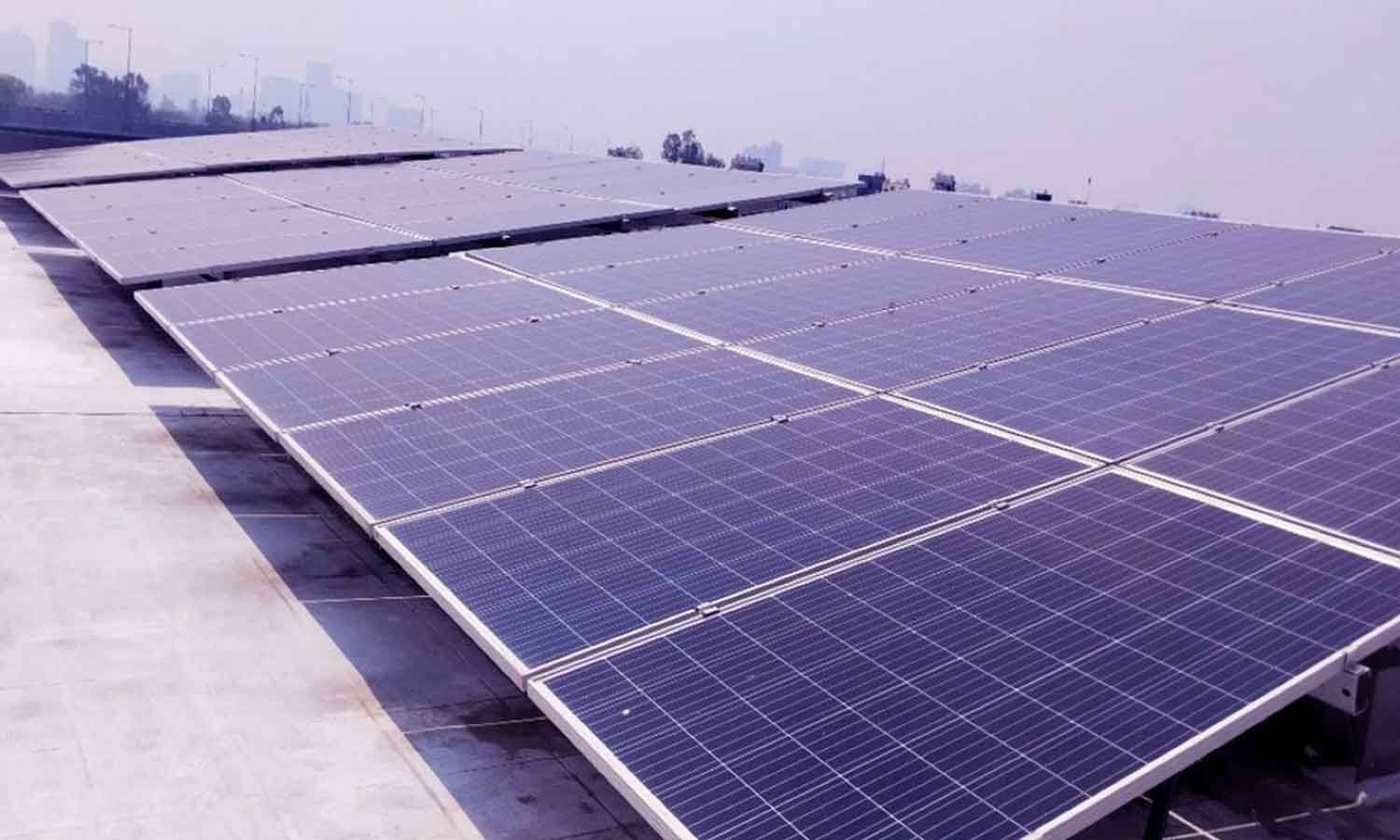
The Odisha government wants more people to learn about rooftop solar power.
It is using street plays to explain the idea in a simple way.
The plays are performed in Odia and local dialects.
Actors use familiar stories, music, humour, and everyday situations.
The campaign is taking place in villages and tribal areas across eight districts.
Performances happen in the evening, when more people can gather.
Teams explain who can apply and how to join the solar scheme.
They also give out information materials and answer questions.
The goal is to help remote communities participate in the clean-energy transition.

The Odisha government and TP Southern Odisha Distribution Limited launched a rooftop-solar awareness campaign.
Street plays are being staged in eight districts, including remote tribal and rural areas.
The campaign explains the benefits, eligibility, and adoption process for the Pradhan Mantri Surya Ghar: Muft Bijli Yojana.
A total of 250 performances are being held in Odia and local dialects during evening hours.
Campaign teams also distribute information materials and answer questions from interested consumers.
- Who
- The Odisha government and TP Southern Odisha Distribution Limited, led in the campaign by teams of trained artistes.
- What
- A street-play campaign promoting rooftop solar power and the Pradhan Mantri Surya Ghar: Muft Bijli Yojana.
- When
- The campaign is underway, with performances held during evening hours.
- Where
- Villages and remote tribal areas in Malkangiri, Koraput, Rayagada, Nabarangpur, Gajapati, Kandhamal, Boudh, and Ganjam districts of Odisha.
- Why
- To raise awareness of rooftop solar benefits, eligibility, and adoption procedures and reach communities that may otherwise be left out of the clean-energy transition.
- Campaign partners
- Odisha government and TP Southern Odisha Distribution Limited
- Programme promoted
- Pradhan Mantri Surya Ghar: Muft Bijli Yojana
- Performances
- 250 nukkad nataks
- Districts covered
- Eight districts of Odisha
- Languages
- Odia and local dialects
- Communication methods
- Street plays, community interaction, and IEC materials
- Campaign locations
- Villages and remote tribal areas