

Archive · 26 Oct 2025
Kidney Transplant Outcomes: Success, Failure, and Risks Explained
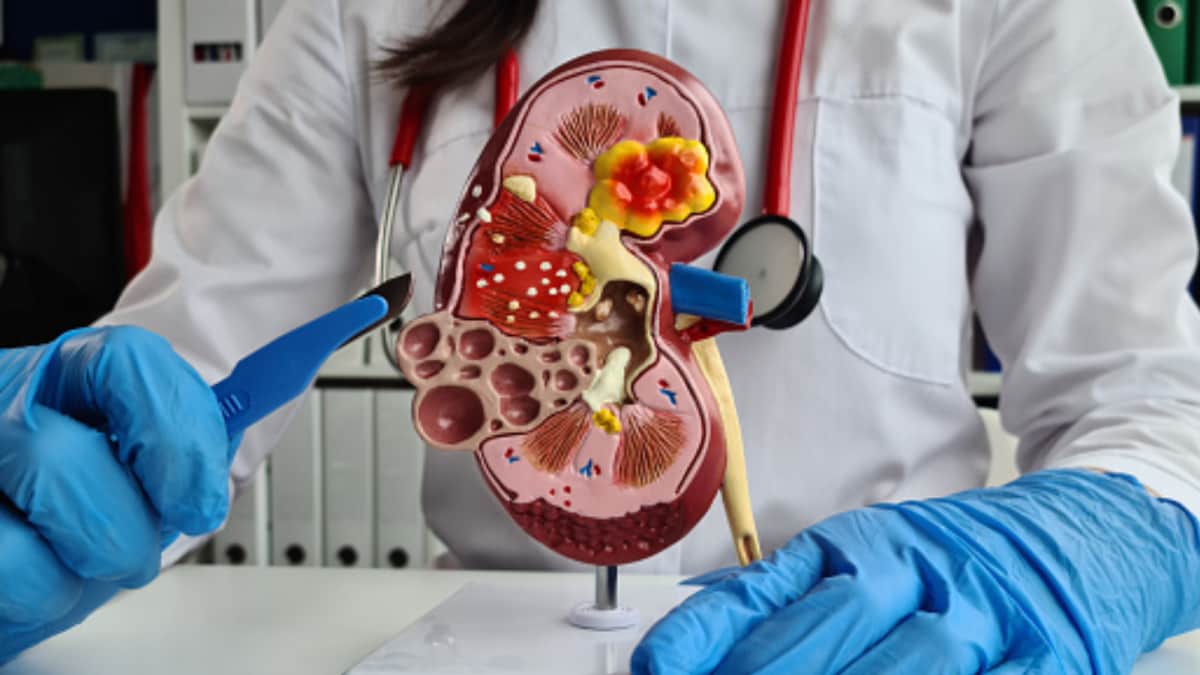
A kidney transplant replaces a damaged kidney with a healthy one, helping people with kidney failure live better lives.
Success rates are high, with most patients doing well for years.
The new kidney can be rejected by the body, which is a major problem.
Failure can happen for many reasons, including infections or the original kidney disease returning.
Patients take medicine to prevent rejection, but it can cause other health issues.
If a transplant fails, patients often go back on dialysis.
It's important to have regular check-ups and follow doctors' advice to keep the new kidney healthy.

Kidney transplants offer a better quality of life than long-term dialysis.
Survival rates have improved due to advancements in medical care.
Kidney transplant failure can occur due to rejection, infections, or other health complications.
Patients with failed transplants face higher mortality risks.
Lifelong immunosuppressants are needed to prevent rejection, but they pose risks.
- Who
- Individuals with end-stage kidney disease and transplant recipients.
- What
- Kidney transplant outcomes, including success rates, failure causes, and associated risks.
- When
- Survival rates are measured at 1, 5, and 10 years post-transplant; failure can occur anytime.
- Where
- Information is applicable generally, as medical advancements have improved outcomes.
- Why
- To provide a better quality of life than dialysis, although failure is possible and can have several causes.
Risks of Transplant
Benefits of Transplant
Long-term Medication
Risks of Transplant
Lifelong immunosuppressants are needed to prevent rejection, but they increase vulnerability to infections, cancers and other side effects.
Benefits of Transplant
Immunosuppressants help prevent the body from attacking the new kidney.
- Patient Survival (1 year)
- 95%
- Graft Survival (1 year)
- 90-95%
- Patient Survival (5 years)
- 85-90%
- Graft Survival (5 years)
- 75-80%
- Patient Survival (10 years)
- 70-75%
- Graft Survival (10 years)
- 60-65%
- Main Risk
- Rejection