

Archive · 7 Dec 2025
Allahabad HC highlights Scheduled Caste identity in conversion case
A man named Jitendra Sahani was accused of insulting Hindu gods and trying to convert people to Christianity in his village.
The court found a big problem: while a witness said Sahani had converted to Christianity and was working as a priest, Sahani said he was still a Hindu in court.
The court said this was important because, according to the law, if you convert to a different religion, you can't keep the benefits of being a Scheduled Caste.
The court decided that Sahani should go to trial to sort out this confusion.
The court also said that if someone converts just to get benefits but doesn't really believe in the new religion, that's not allowed.

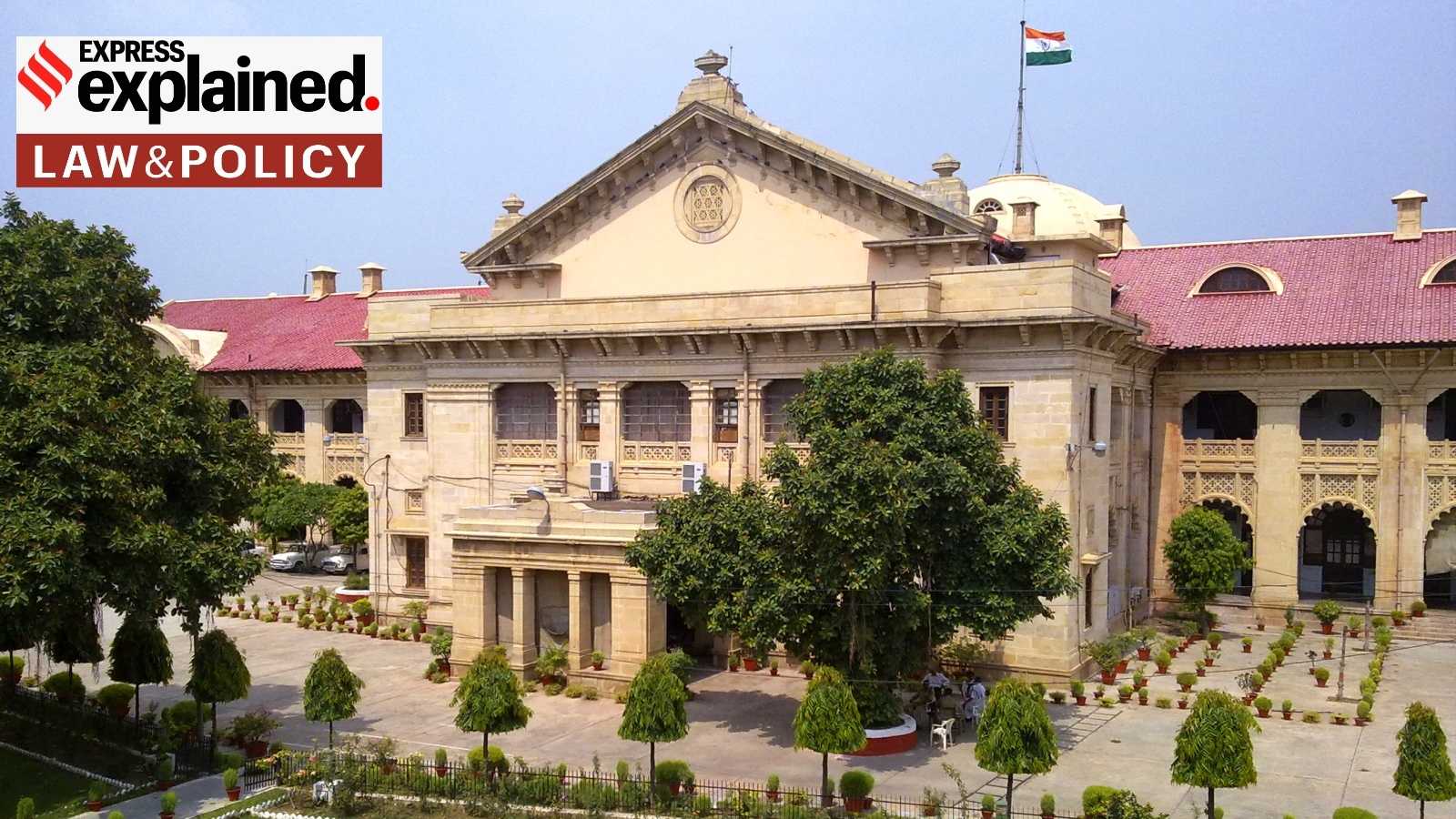
Allahabad High Court refused to quash a case against Jitendra Sahani for allegedly insulting Hindu deities and attempting religious conversion.
A witness claimed Sahani had converted to Christianity and mocked Hindu deities during prayer meetings.
Sahani described himself as a Hindu in court, creating a contradiction that the court found significant.
The court emphasized that religious conversion and Scheduled Caste status cannot coexist under the law.
The court directed Sahani to seek discharge before the trial court to resolve the inconsistency in his religious identity.
- Who
- Jitendra Sahani, accused of insulting Hindu deities and attempting religious conversion
- What
- Allahabad High Court refused to quash a case against Sahani, highlighting a contradiction in his religious identity
- When
- Earlier this week
- Where
- Allahabad High Court, Uttar Pradesh, India
- Why
- To address the inconsistency in Sahani's religious identity and its implications for Scheduled Caste status
- Accused
- Jitendra Sahani
- Charges
- Sections 153-A and 295-A of the IPC
- Witness
- Lakshman Vishwakarma
- Court
- Allahabad High Court
- Key Legal Principle
- Religious conversion and Scheduled Caste status cannot coexist
- Constitutional Provision
- Article 341 and the Constitution (Scheduled Caste) Order, 1950
- Supreme Court Ruling
- C. Selvarani case