Archive · 17 Nov 2025
Colonna Palace: Rome's Elusive Artistic Treasure
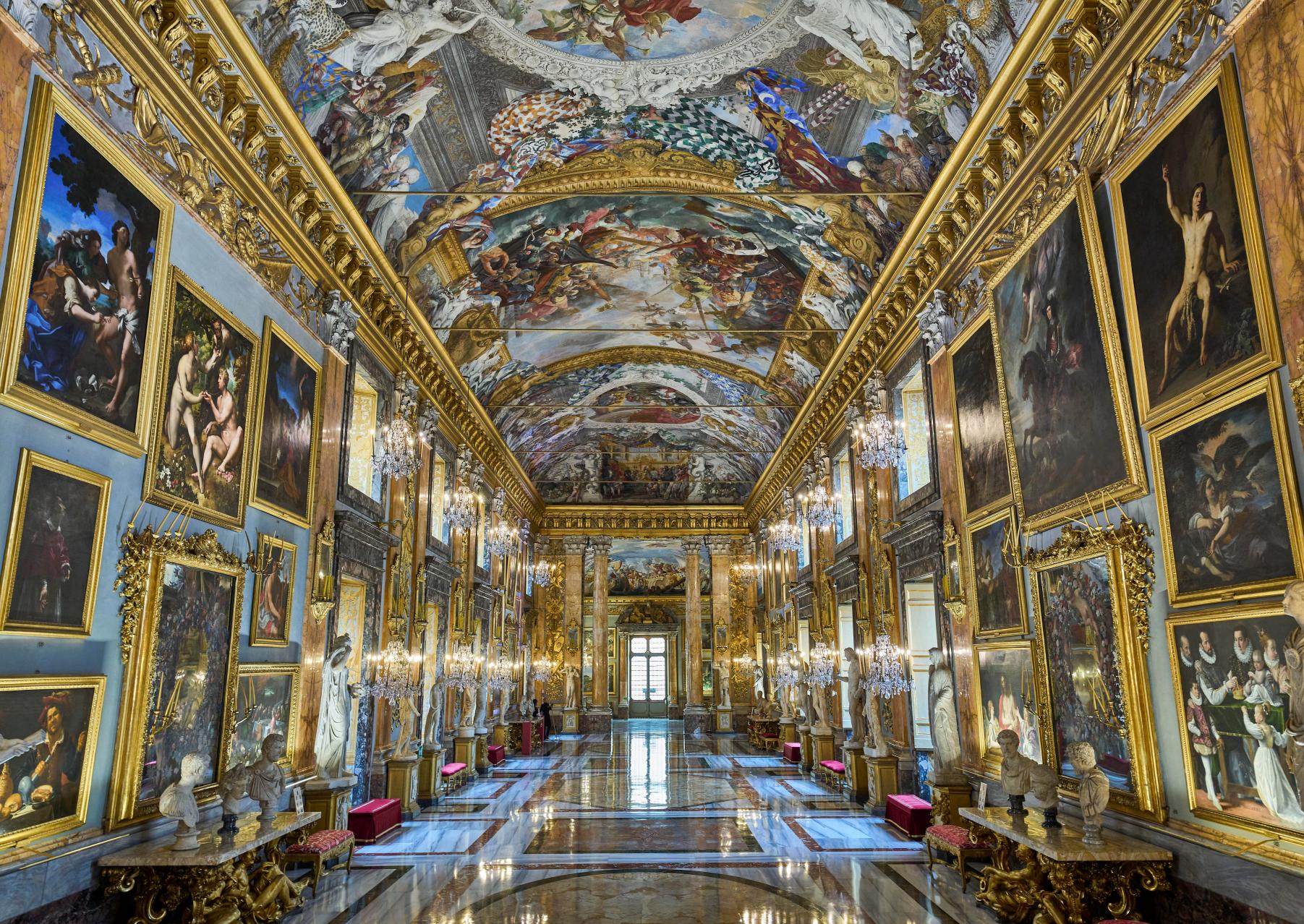
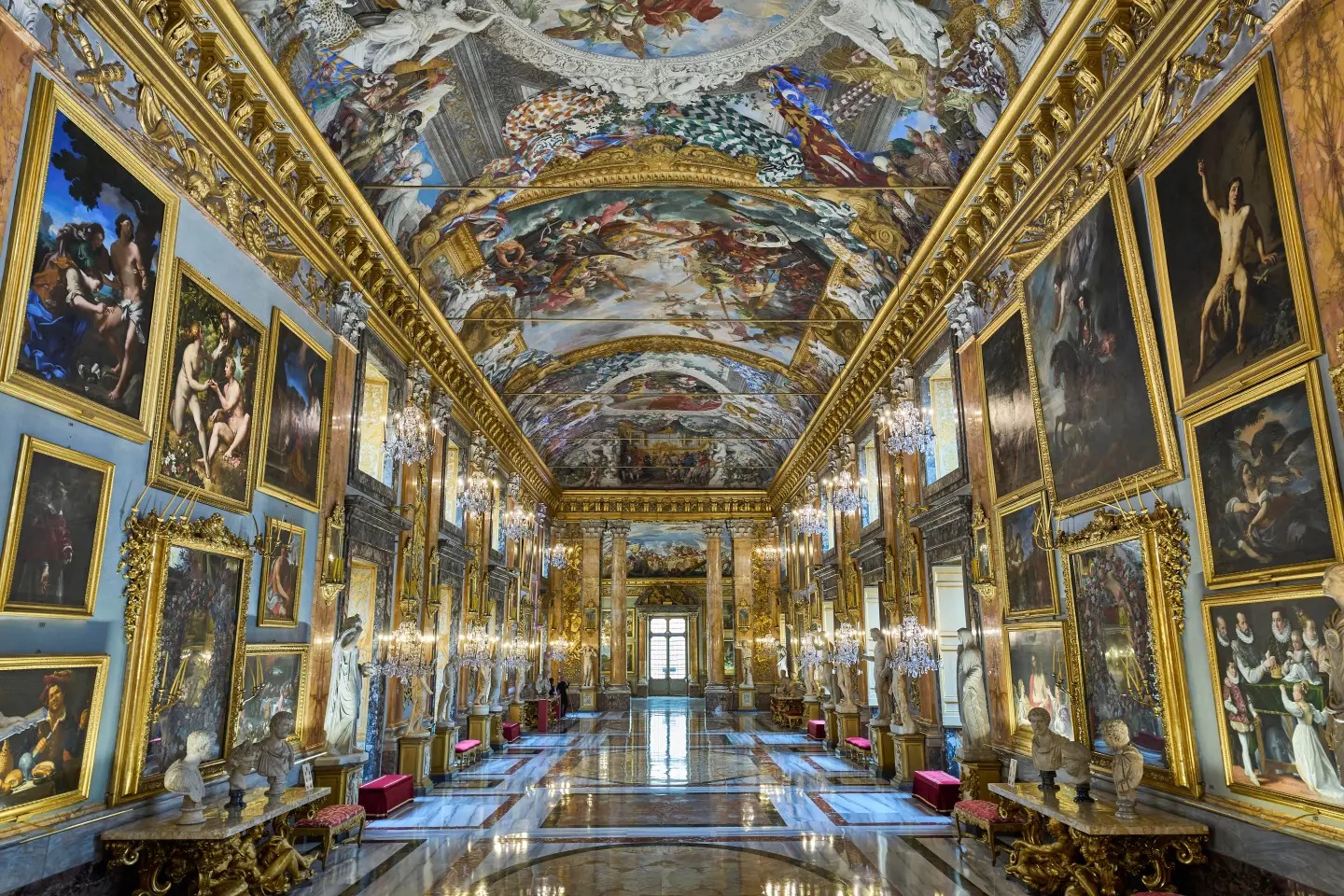
The Colonna Palace in Rome is like a super-secret art museum that's been owned by the same family for hundreds of years.
Only a few people at a time can visit on certain mornings with a guide.
The family wants to keep it special and protect the art, but some people think it should be more open for everyone to appreciate.

The Colonna Palace in Rome is a private home-museum owned by the Colonna family since the 12th century.
Access is restricted to small groups (10 people) on Friday and Saturday mornings, guided by art historians.
The palace houses significant artworks, including a 76-meter Great Hall and pieces saved from Nazi invasion.
The family prioritizes the palace's preservation over mass tourism, believing it's meant for those with a specific understanding of history.
Rare events, like a 2005 book release and a 2018 fashion exhibition, have allowed limited outsider access.
- Who
- The Colonna family and art historians
- What
- The Colonna Palace, a highly exclusive private home-museum with significant artworks, remains largely inaccessible to the public.
- When
- Visits are restricted to a few hours on Friday and Saturday mornings; historical events mentioned include 2005 and 2018.
- Where
- Rome, Italy
- Why
- The family wishes to maintain the palace's historical integrity and protect its art heritage from mass tourism, while also acknowledging art's need for public appreciation.
Preserve Seclusion for Artistic Integrity
Promote Public Access for Appreciation
Purpose of the Palace
Preserve Seclusion for Artistic Integrity
The palace and its collections were not conceived as mass tourist attractions but as heritage for those with a deep understanding of history.
Promote Public Access for Appreciation
Art dies in the absence of public appreciation, and some level of visitor access is necessary for artworks to be valued.
Managing Tourism
Preserve Seclusion for Artistic Integrity
Mass tourism is not the wish of the owners, and the palace's exclusivity is essential to its character and preservation.
Promote Public Access for Appreciation
The palace is not intended to be commodified, but limited access (e.g., small groups) can be managed to balance preservation with appreciation.
- Location
- Rome City Center
- Ownership
- Colonna family since the 12th century
- Access
- Small groups (10 people) on Friday and Saturday mornings, guided by art historians.
- Notable Features
- Paintings, sculptures, busts, tapestries, 76-meter Great Hall, Throne Room.
- Historical Significance
- Was papal residence for a decade under Pope Martin V; Great Hall ceiling depicts Commander Marcantonio's naval victory.
- Preservation Efforts
- Princess Isabella Colonna ordered artworks walled up to protect them from Nazis.