

Archive · 28 Oct 2025
H-1B Fee Hikes Spark Concerns Over Healthcare Quality and Workforce in the US
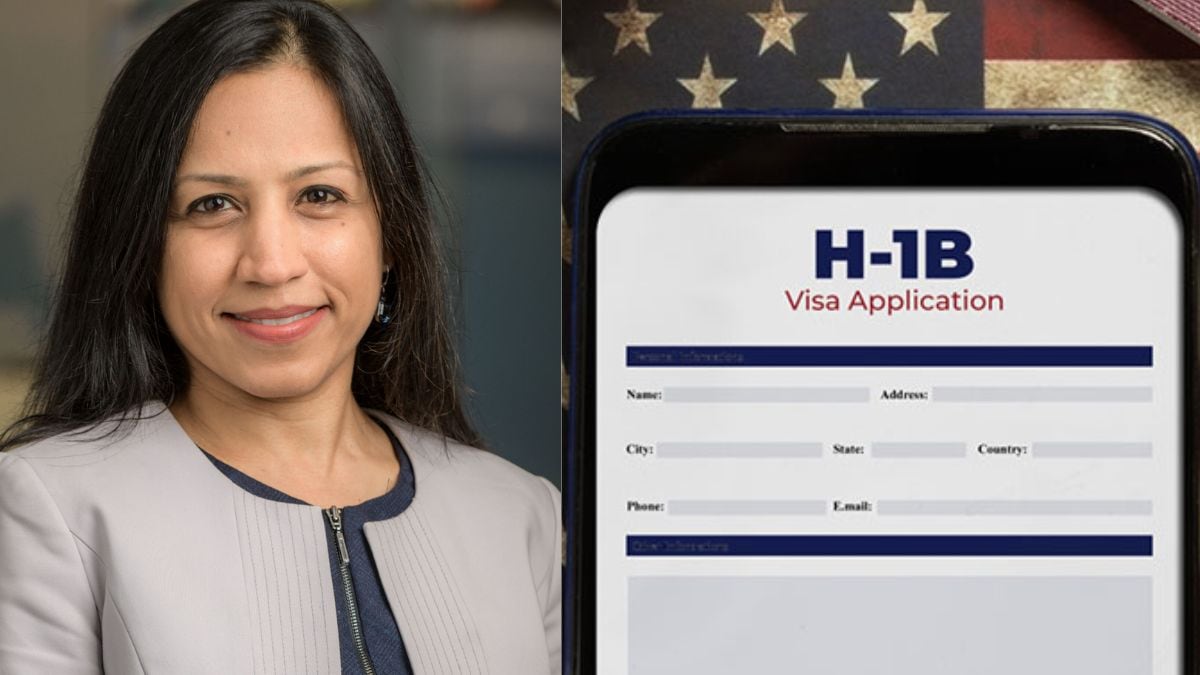
Imagine the US needs doctors and scientists from other countries to fill jobs Americans aren't taking, especially in places far from big cities.
These workers come on special visas called H-1B.
Now, the government is adding a really big fee, like $100,000, for companies that want to hire these workers.
A doctor says this is like a wall that makes it too hard for hospitals to find people to care for sick kids, particularly in small towns.
She worries the quality of care will go down because fewer doctors will come.
Another expert, a lawyer, says the government thinks companies are cheating the system, but he disagrees, stating these workers are highly educated and necessary.
He believes this new fee might push companies to hire workers in other countries instead, which could also hurt the US economy and its communities.

A new $100,000 fee per H-1B petition is causing concern among US employers, particularly in the healthcare sector.
Healthcare professionals warn the fee will negatively impact the recruitment and retention of doctors, potentially lowering care quality, especially in rural areas.
Pediatrician Dr. Shefali Mahesh highlights declining interest in pediatrics among US graduates and reliance on H-1B visa holders for essential services.
Immigration attorney Farhad Sethna argues the fee is based on a false premise of H-1B program abuse and emphasizes the contributions of H-1B workers.
Experts predict the fee could lead to companies relocating operations abroad and potentially increase wages across professions, further restricting H-1B talent access.
- Who
- Indian-origin doctor Shefali Mahesh and immigration attorney Farhad Sethna, US employers, H-1B visa applicants.
- What
- A new $100,000 fee per petition for H-1B visa applicants imposed by the Trump administration, which raises concerns about its impact on healthcare quality, workforce availability, and potential for abuse.
- When
- The proclamation was made on September 19, and the fee applies to new petitions filed on or after September 21.
- Where
- United States, with specific concern for rural areas and communities needing healthcare services.
- Why
- The administration's stated aim is to address perceived abuse of the H-1B visa program by employers hiring lower-paid, less-qualified workers. However, experts argue this will harm essential sectors like healthcare and deter skilled professionals.
Concerns Over Impact on Healthcare
Critique of H-1B Abuse Claims
Impact on Rural and Underserved Areas
Concerns Over Impact on Healthcare
The new $100,000 fee per H-1B petition will negatively impact healthcare services in rural areas, making it harder to recruit and retain physicians, especially in fields like pediatrics where there's declining interest from US medical graduates. This could lead to a decline in the quality of care.
Critique of H-1B Abuse Claims
H-1B visa holders are integral to health care, especially in rural communities struggling with physician shortages, contributing significantly to the national economy. The shortage of US-born professionals in technical fields necessitates international workers.
Rationale for H-1B Visa Program
Concerns Over Impact on Healthcare
The fee is cost-prohibitive and deters skilled professionals from coming to the US, especially given uncertainties about their future. It's seen as an unintended consequence that will harm vital sectors like pediatric care.
Critique of H-1B Abuse Claims
The proclamation is based on a false premise that the H-1B program is widely abused by underqualified, low-paid workers. The program requires applicants to have at least a bachelor's degree, the job to require one, and employers to pay prevailing wages.
Future Business Strategies
Concerns Over Impact on Healthcare
Hospitals like Akron Children's will struggle to maintain care standards, putting vulnerable communities at greater risk due to declining domestic interest in certain specialties and rising visa barriers.
Critique of H-1B Abuse Claims
Some companies may respond to increased costs and restrictions by relocating operations abroad to foreign countries, potentially establishing remote centers in nearby countries like Mexico and Canada.
- New Fee
- $100,000 per petition for US employers seeking H-1B workers.
- Effective Date
- September 21 (for new petitions).
- Exemptions
- Extensions or amendments for workers already in the US.
- Waiver Possibility
- May be granted by the Secretary of Homeland Security in 'extraordinarily rare' national interest cases.
- Healthcare H-1B Usage
- Approximately 4% of H-1B petitions approved in 2024 were for healthcare workers.
- Attorney's Prediction
- Companies may relocate operations abroad to manage H-1B restrictions.