

Archive · 19 Jun 2025
Expert Tips to Eliminate Rice Weevils from Kitchen Pantries
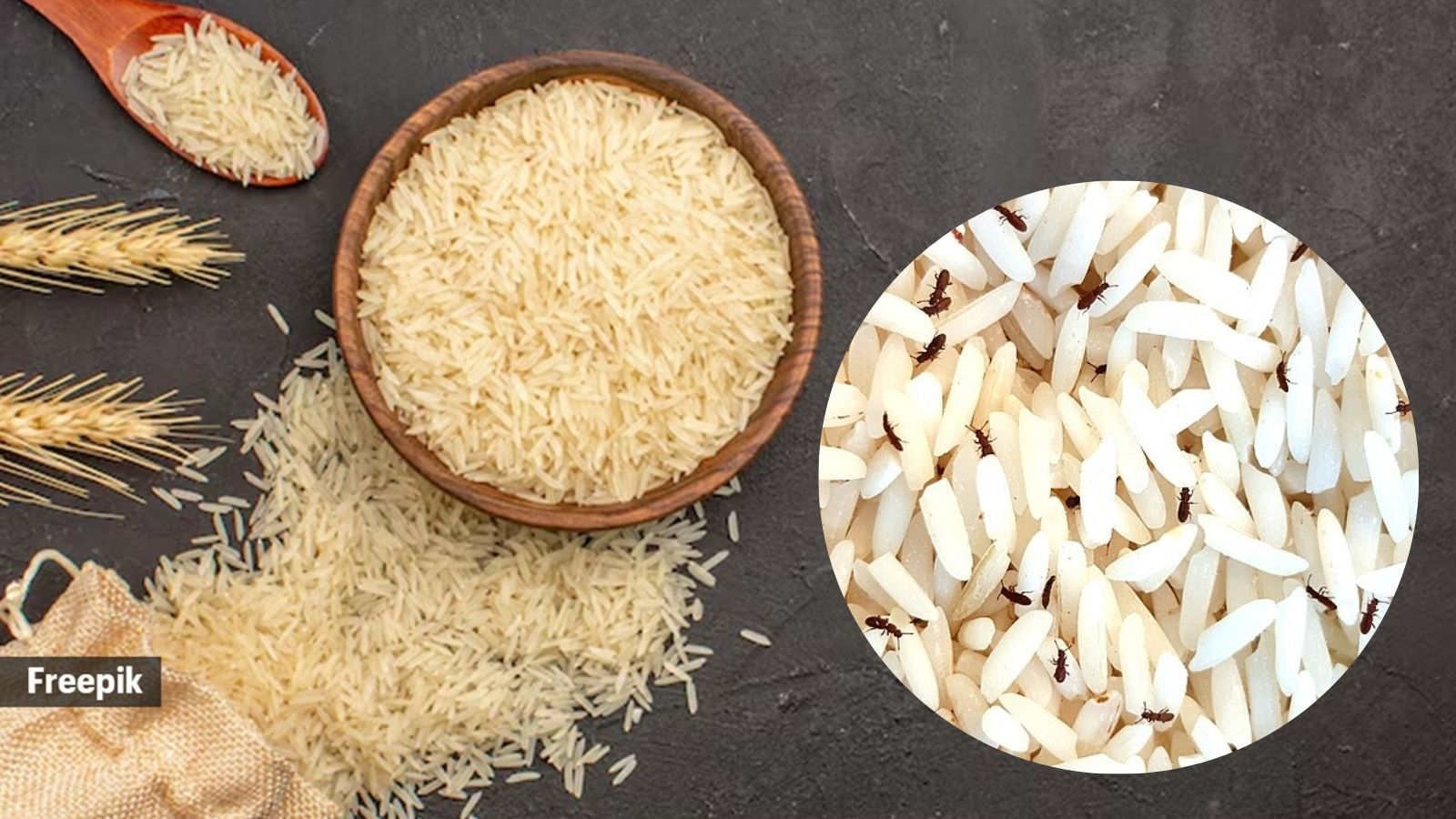
Imagine tiny bugs, called rice weevils, getting into your stored grains like rice.
These little pests eat the grains and can cause problems if you eat the infested food.
To get rid of them, check all your grains, and take out the ones that have bugs.
Put the grains in the sun, or freeze them to kill the bugs and their eggs.
Clean the containers with hot water and soap before putting the grains back in.
You can also use things like neem leaves, or cloves to keep the bugs away.
It's important to store grains correctly in airtight containers so the bugs don't get in.
Don't just use the same grains after removing the bugs as the eggs will still be there, and avoid using plastic bags.

Rice weevils, known as 'chawal keede,' are tiny pests infesting stored grains in Indian kitchens.
They are dark brown to reddish-black insects, and their larvae are tiny white worms.
Signs of infestation include small holes in grains and the presence of larvae.
Experts advise inspecting grains, using sunning or freezing to eliminate weevils and their eggs.
Proper storage in airtight containers and using natural repellents are crucial for prevention.
- Who
- Rice weevils and stored grains.
- What
- Rice weevils infesting stored grains such as rice, atta, dal, besan, and suji.
- When
- The article does not specify a specific time frame.
- Where
- Indian kitchens.
- Why
- Rice weevils thrive in warmth and moisture and lay eggs inside grains.
Incorrect Practices
Correct Practices
Ineffective removal techniques
Incorrect Practices
Sieving the grains and re-using them is insufficient.
Correct Practices
The eggs are still present, and will continue to infest the grains.
- Pest Name
- Rice weevils ('chawal keede')
- Appearance
- Tiny, dark brown to reddish-black insects (2-4mm) with or without a snout
- Affected Grains
- Rice, atta, dal, besan, suji
- Signs of Infestation
- Small holes in grains, tiny white larvae
- Expert
- Deepak Sharma (Indian Pest Control Company)
- Recommended Action
- Sunning, freezing, cleaning containers, using natural repellents, smart storage