Archive · 9 Oct 2026
Central Report Exposes Health Gaps in Balaghat Child Deaths
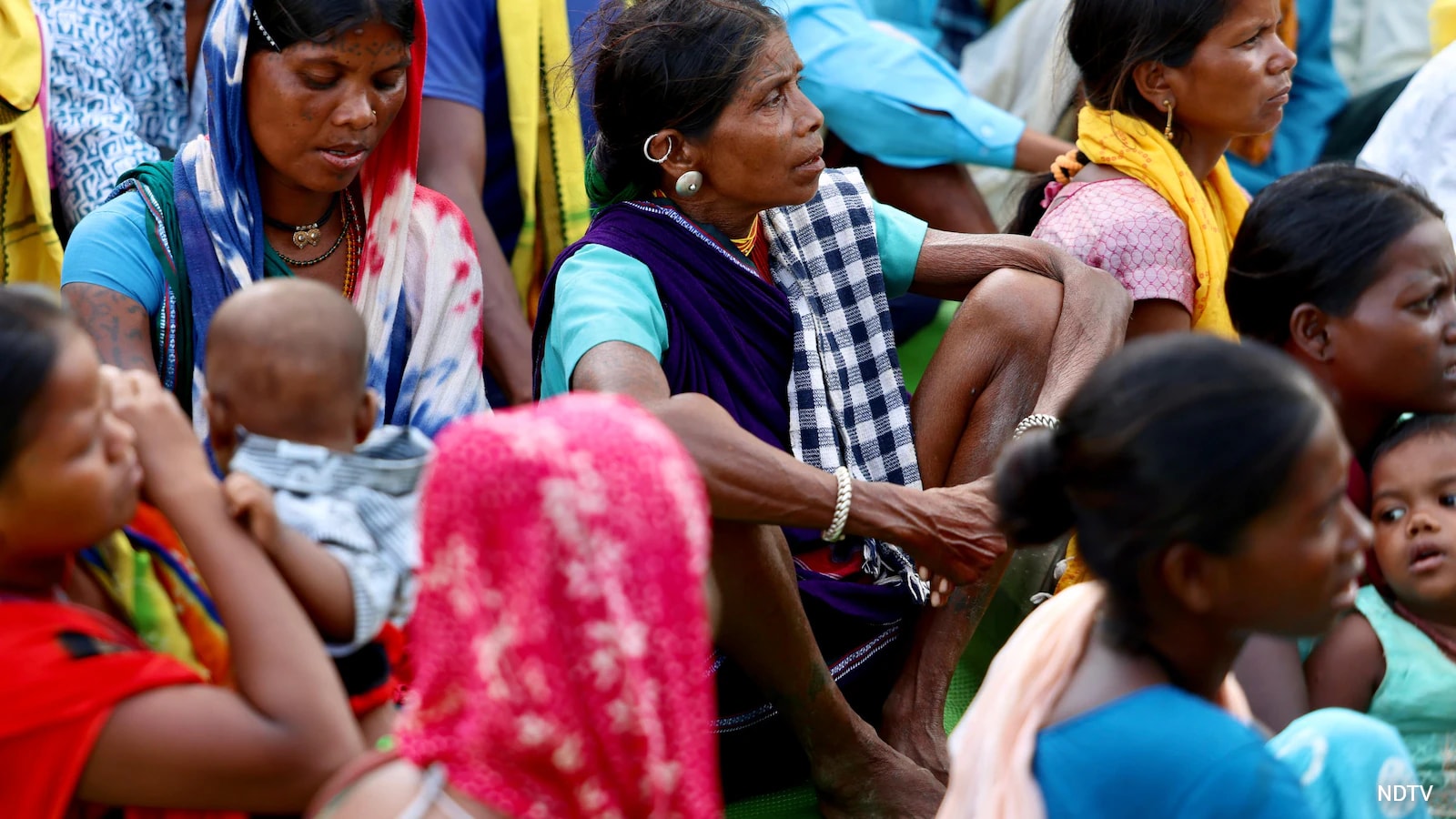
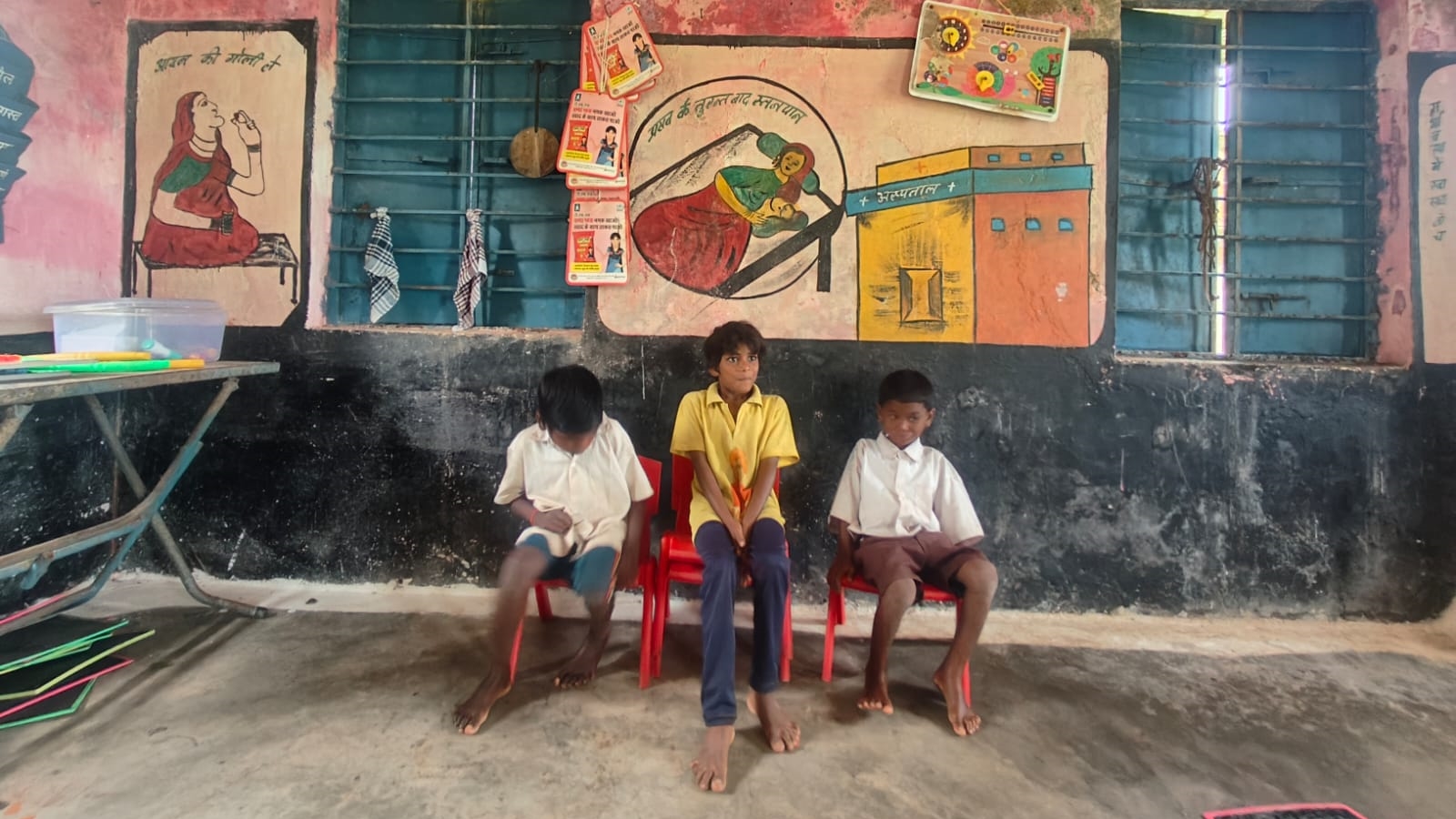
A team from the central government investigated children’s illnesses and deaths in Balaghat.
It found that important health jobs were empty and that the district had no public health laboratory.
The team found several infections, including measles and malaria, but did not say that one illness caused every death.
It also found that many children were malnourished and that some health records did not match what investigators saw.
In some cases, children did not reach a hospital in time, even after health workers advised their families to seek care.
The report recommended better tracking, vaccination, nutrition support and follow-up for sick children.
Rahul Gandhi blamed the government, while state leaders defended its actions.
The report had been sent to local authorities before Gandhi’s visit.

A National Joint Outbreak Response Team found major surveillance, staffing, laboratory, record-sharing and referral gaps in Balaghat.
Testing found measles and malaria among affected children, as well as smaller numbers of dengue, chikungunya and enterovirus; the report did not identify one cause for all deaths.
The report recorded 604 children as severely and 1,985 as moderately acutely malnourished across 357 anganwadi centres in Birsa block sectors.
Investigators said two children whose deaths they reviewed died before hospital care; a third died in hospital after admission with severe nutritional deficits.
Opposition figures accused the government of failure, while state officials defended their response and cited staffing measures and new health centres.
- Who
- Tribal children and families in Balaghat; the investigation was conducted by the National Joint Outbreak Response Team.
- What
- A central investigation found health-service, disease-surveillance, nutrition-monitoring and referral gaps amid child illnesses and deaths.
- When
- The team visited August 13–18; the final report was forwarded to Balaghat authorities on September 16, before Rahul Gandhi’s October 1 visit.
- Where
- Balaghat district, Madhya Pradesh, including affected villages such as Kundekasa, Bondari and Jagla.
- Why
- The investigation examined reported child deaths and illness and assessed the systems for detecting disease, providing care and monitoring nutrition.
Opposition and families
State government
Government responsibility
Opposition and families
Rahul Gandhi called the deaths a governance failure and alleged that children died because of illness and malnutrition. Congress MLA Sanjay Uikey said local estimates put the toll above 40.
State government
Chief Minister Mohan Yadav and Deputy Chief Minister and Health Minister Rajendra Shukla criticised Gandhi’s visit as political tourism and said the government was responding to longstanding problems.
Response and services
Opposition and families
The central team documented vacant posts, weak surveillance, unreliable nutrition records and gaps in referrals; affected relatives told NDTV that they had not received compensation or official visits.
State government
Chief Medical and Health Officer Shatrughan Dahiya said staffing gaps were being addressed and cited treatment at home for about 3,500 children and care for around 750 children in critical condition. The government also cited four posted Block Women Development Officers and 14 health centres being established.
Causes of deaths
Opposition and families
Rahul Gandhi linked the deaths to malnutrition and illness and alleged that all the children had died because of malnutrition.
State government
The NJORT report did not establish one cause for the full cluster or support a blanket attribution; it described multiple infections, nutritional vulnerability and delays in accessing care.
- Investigation
- National Joint Outbreak Response Team field visit: August 13–18.
- Report transmission
- Madhya Pradesh’s National Health Mission forwarded the final report to the Balaghat Collector on September 16.
- Measles and malaria
- 25 of 64 samples tested positive for measles; 27 of 32 malaria blood slides were positive.
- Other infections
- Dengue was detected in 2 of 28 samples, chikungunya in 1 of 28, and enterovirus in 2 of 24.
- Malnutrition
- The team recorded 604 children as severely and 1,985 as moderately acutely malnourished across 357 anganwadi centres in Birsa block sectors.
- Health-system gaps
- The District Epidemiologist and microbiologist posts were vacant, there was no District Public Health Laboratory, and the most affected village had been without an ASHA worker for over a year.
- Reported patient list
- The broader field list contained 196 reported patients; 156 were aged 10 or younger, including 108 aged five or younger.
- Official death figures
- The report did not give a total death toll. Balaghat’s Chief Medical and Health Officer cited around 12 deaths since June; the MLA said local estimates exceeded 40, while the government had earmarked 32 cases for compensation.