2 hrs ago
Balaghat Child Deaths Expose Gaps in Health Services
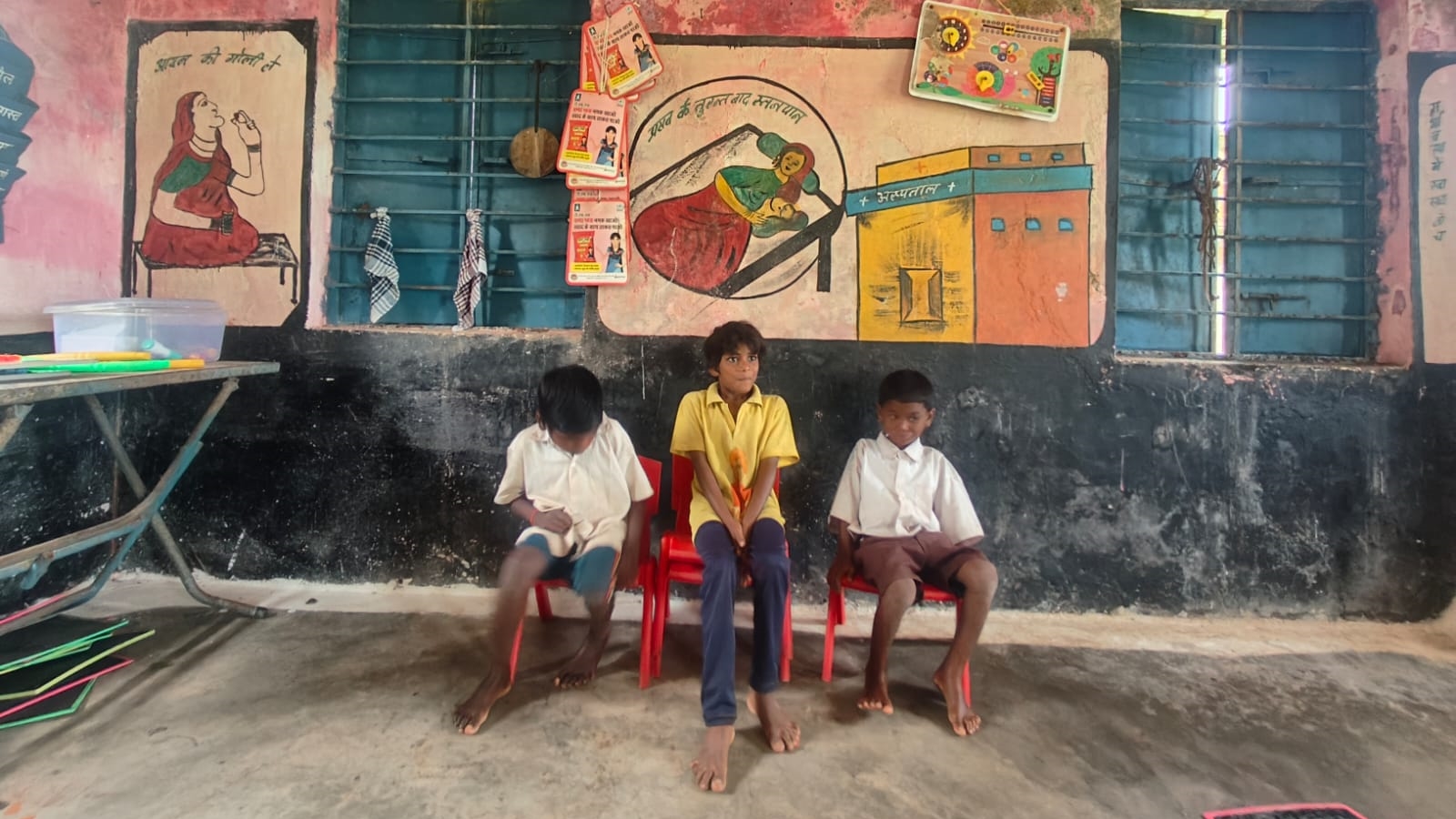
An investigation looked into children’s deaths and illnesses in villages in Balaghat, Madhya Pradesh.
It found that several illnesses, including measles and malaria, were present, rather than identifying one cause for all the cases.
The team also found shortages in health staff and no district public health laboratory.
Some families sought traditional treatment or did not take sick children to hospital after health workers advised them to.
The report described problems with vaccination records, nutrition monitoring and sharing information between health services.
It counted many children as acutely malnourished.
The report did not state how many children died.
Government officials, political leaders and a local MLA have given different figures or assessments of the deaths.

A National Joint Outbreak Response Team investigation found staffing, surveillance, laboratory, referral and record-keeping gaps in Balaghat.
The team described a mixed febrile illness cluster, finding measles alongside malaria and smaller numbers of dengue, chikungunya and enterovirus infections.
The report did not give a death toll; officials cited about 12 deaths since June, while the government earmarked 32 cases for compensation and a local MLA estimated more than 40.
Testing found 25 of 64 samples positive for measles and 27 of 32 for malaria; water tests also detected adenovirus in five samples and coliform bacteria in eight of nine.
The investigation recorded severe or moderate acute malnutrition among thousands of children and reported irregular weighing, nutrition tracking and frontline-worker coordination.
- Who
- Tribal children in Balaghat, including children from Baiga-dominated villages; the investigation was conducted by the National Joint Outbreak Response Team.
- What
- An investigation into child deaths and illness found a mixed infection cluster and major gaps in health, nutrition and surveillance services.
- Where
- Balaghat district, Madhya Pradesh, including Kundekasa and Bondari villages.
- When
- Deaths were reported since June; the team visited Balaghat from August 13 to 18 and submitted its report in September.
- Why
- The investigation found multiple illnesses and weaknesses in detection, staffing, laboratory services, records, referrals and nutrition monitoring; it did not establish one cause for the entire cluster.
Critics’ assessment
Government response
Responsibility for the deaths
Critics’ assessment
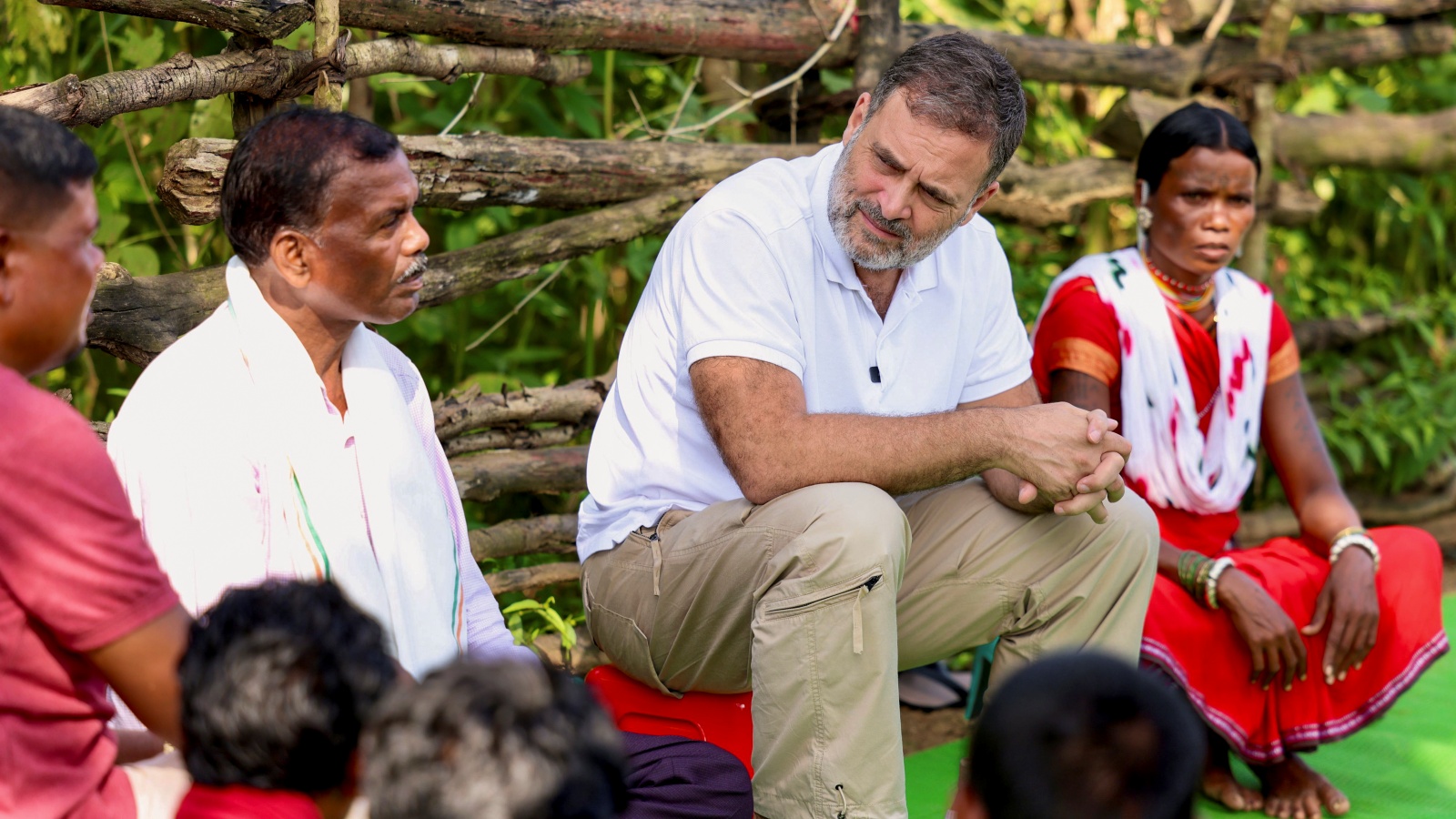
Rahul Gandhi called the deaths a total government failure; Congress MLA Sanjay Uikey said local estimates put the toll above 40 and called for a lasting response.
Government response
The government had earlier reported eight deaths. Balaghat’s Chief Medical and Health Officer said the investigation indicated around 12 deaths since June, while 32 cases had been earmarked for compensation.
Response to health-service gaps
Critics’ assessment
The NJORT documented staffing and laboratory shortages, weak surveillance and data-sharing, and gaps in referrals and nutrition monitoring.
Government response
Chief Medical and Health Officer Shatrughan Dahiya said staffing gaps were being addressed and cited treatment provided to about 3,500 children at home and around 750 children in critical condition.
Outlook for government action
Critics’ assessment
Uikey said he hoped the Health Department’s efforts would be long-lasting rather than a temporary fix.
Government response
The government said four Block Women Development Officers had been posted and 14 sub-health centres and community health centres were being established in the region.
Key facts
- Children examined in reported cluster
- Children aged 1 to 13 reported symptoms including fever, rashes, stomach pain and ulcers.
- NJORT field visit
- August 13–18; the team examined three deaths in detail, while a fourth family declined to participate.
- Measles tests
- 25 of 64 samples tested positive.
- Malaria tests
- 27 of 32 samples tested by the National Centre for Disease Control were positive.
- Other infection tests
- Dengue: 2 of 28; chikungunya: 1 of 28; enterovirus: 2 of 24 samples tested positive.
- Water samples
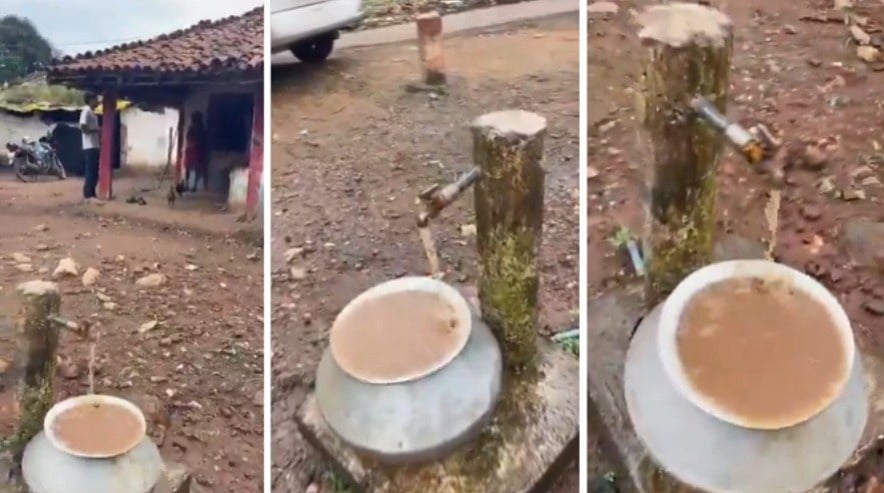
- All 5 tested positive for adenovirus; 8 of 9 tested positive for coliform bacteria. The report said these results did not establish one cause for the cluster.
- Malnutrition recorded
- 604 children were recorded as severely acutely malnourished and 1,985 as moderately acutely malnourished across 357 anganwadi centres in Birsa block sectors.
- Staffing and facilities
- The District Epidemiologist post was vacant, there was no District Public Health Laboratory, the microbiologist post was vacant, and Kundekasa had been without an ASHA worker for over a year.
Quotes
Shatrughan Dahiya
Balaghat Chief Medical and Health Officer
“Malnutrition has been one of the major issues in the area. There was a supply-chain issue, but we are now focusing on ensuring that nutrition reaches the children continuously. We have treated approximately 3,500 children at their homes. Apart from this, around 750 children who were in critical condition were treated. Overall, we have been able to save around 800 children who were in critical condition.”
 indianexpress.com
“Our estimates say the death toll is over 40. It’s only after much pressure that the government has announced compensation for 30-odd families. Our hope is that the push by the Health Department is long-lasting and not a temporary fix.”
indianexpress.com
Sources
Related news

Madhya Pradesh High Court Seeks Response Over Balaghat Child Deaths
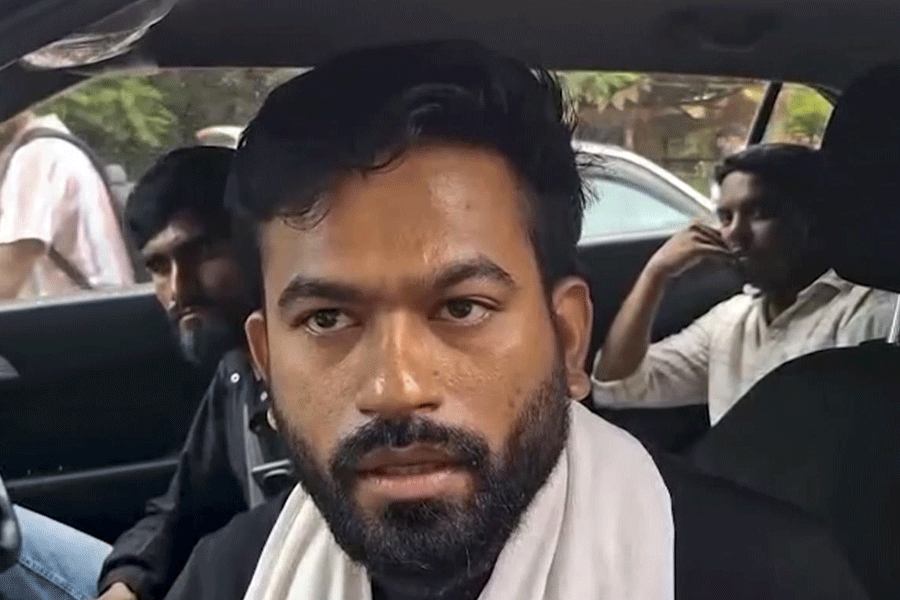
CJP Visits Balaghat Villages Over More Than 30 Child Deaths

Congress seeks Madhya Pradesh health minister’s resignation over Balaghat deaths
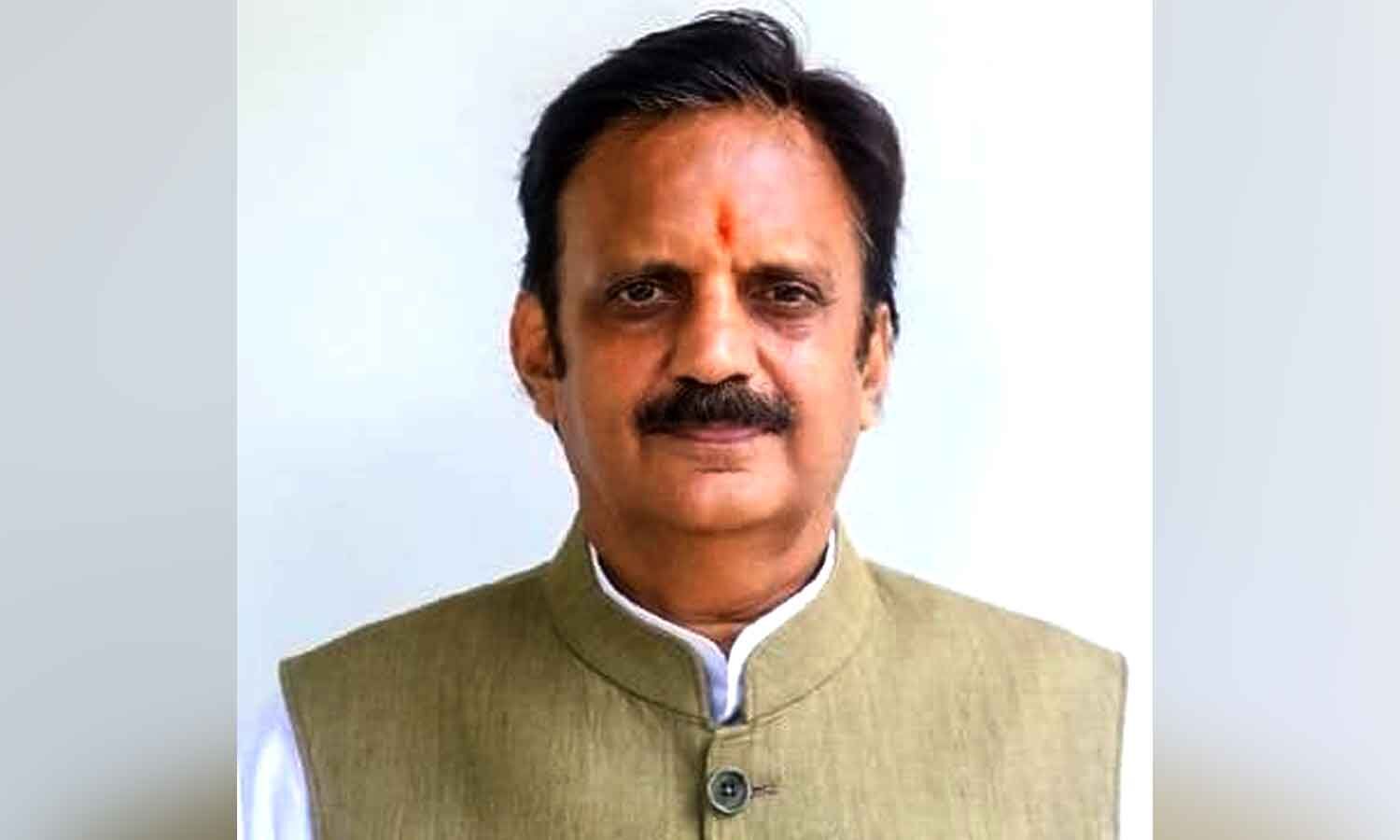
Rahul Gandhi Balaghat Visit Sparks Clash Over Tribal Child Deaths
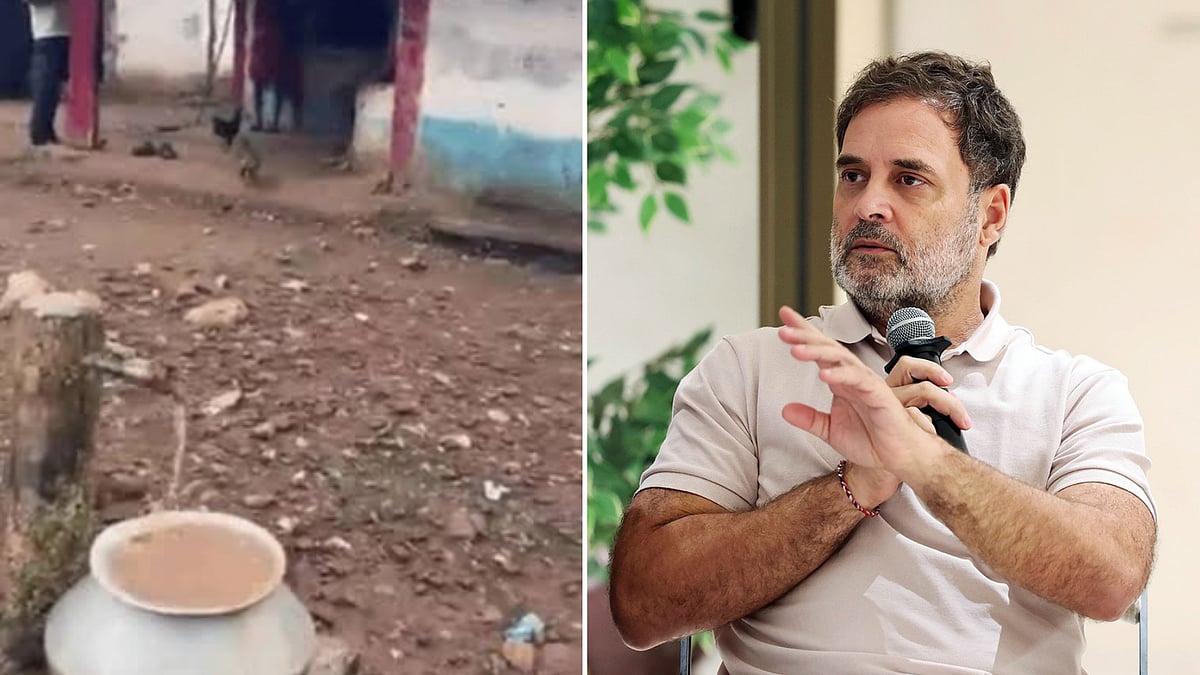
Rahul Gandhi Targets Madhya Pradesh Government Over Balaghat Deaths
Murky Balaghat Water Video Deepens Concern Over Tribal Child Deaths

High Court Seeks Report on ₹43 Crore Paddy Transport Allegations

Rahul Gandhi Urges Madhya Pradesh to Fix Tribal Welfare Gaps
Rahul Gandhi Raises Balaghat Tribal Crisis, Accuses Madhya Pradesh Government