Archive · 17 Sep 2026
Government Rules Out Rollback of 0.4% UPI Fee
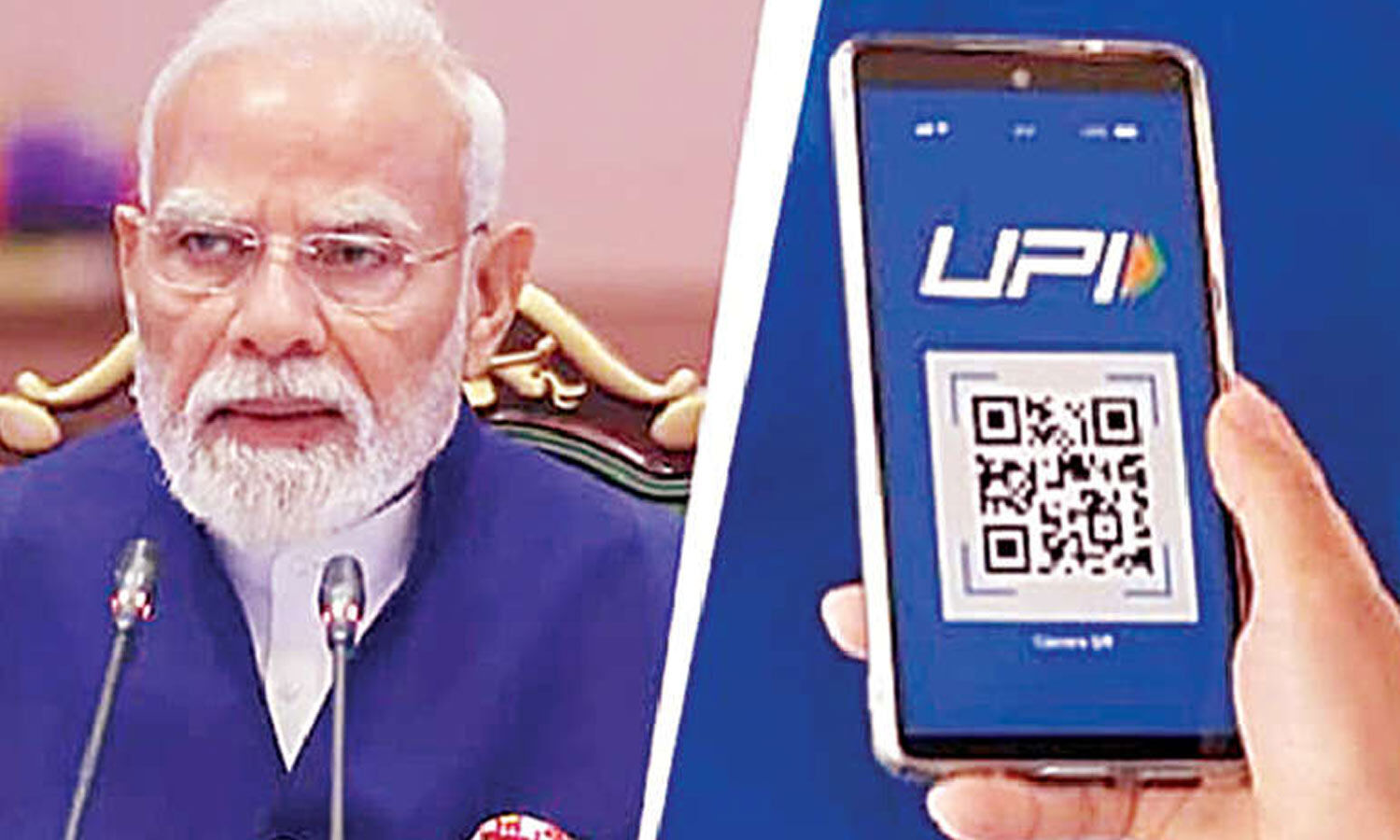
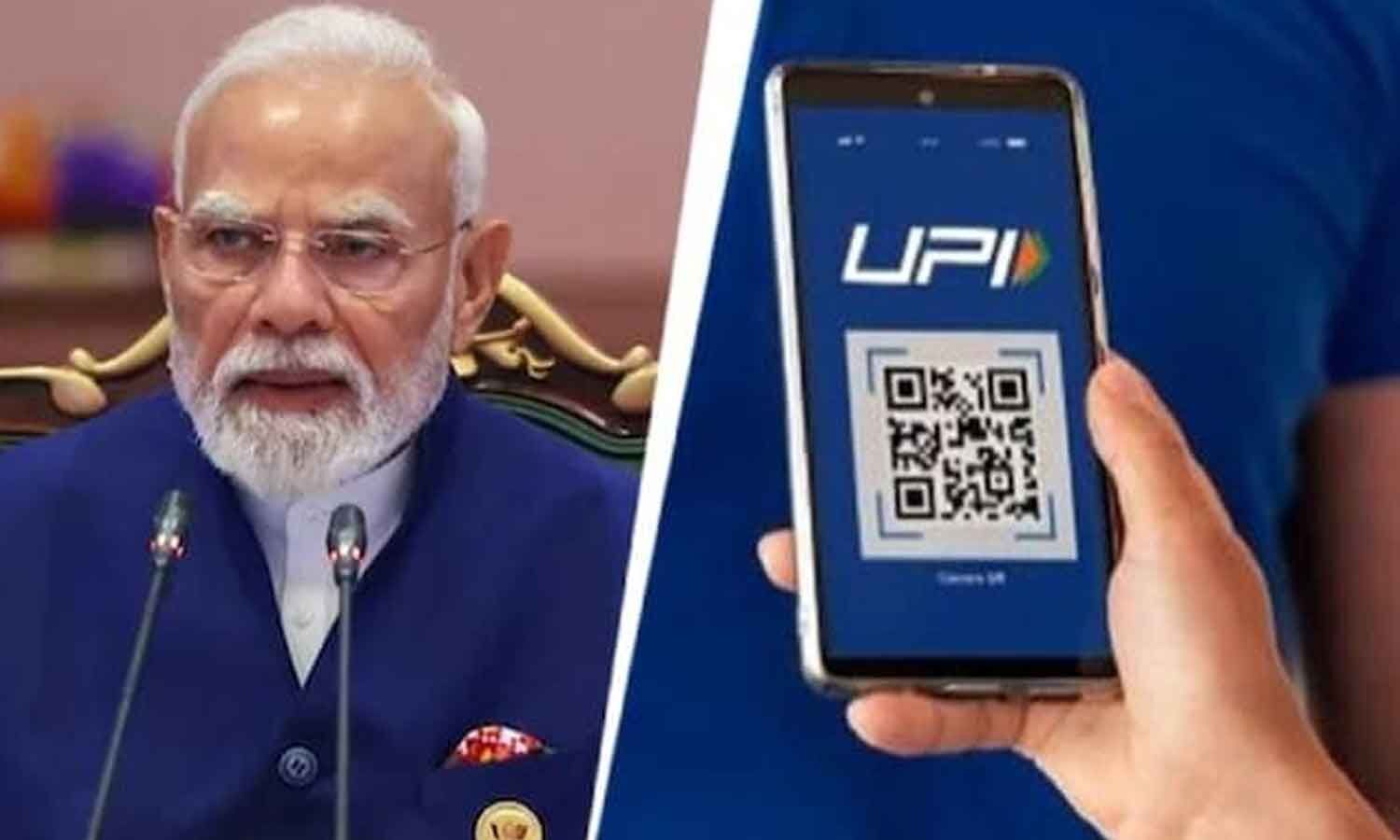
The government plans to add a small fee to some UPI payments made to businesses.
The fee will apply when a merchant payment is more than Rs 2,000.
It is scheduled to start on October 15.
Sending money to friends and making smaller payments will still be free.
Customers are not supposed to pay the fee directly.
Small vendors earning up to Rs 1 lakh each month through UPI QR codes will remain exempt.
Fuel, telecom and train-ticket payments above Rs 2,000 will have a fixed Rs 5 charge.
The government says the change will help keep UPI safe and financially sustainable, but critics oppose it.

The Union government will not withdraw the proposed 0.4% MDR on merchant UPI payments above Rs 2,000.
The charge is scheduled to begin on October 15, while person-to-person transfers and smaller payments will remain free.
The Finance Ministry says customers will not pay the MDR directly because it applies within the merchant payment ecosystem.
Vendors earning up to Rs 1 lakh monthly through UPI QR codes will continue to pay zero charges.
The government cites UPI sustainability and security, while critics call the measure the “Modi Tax” and allege foreign pressure.
- Who
- The Government of India and Ministry of Finance announced and defended the policy; traders, shopkeepers and opposition parties criticized it.
- What
- A 0.4% Merchant Discount Rate will apply to merchant UPI payments above Rs 2,000, with a fixed Rs 5 charge for specified necessity payments above that threshold.
- When
- The new framework is scheduled to take effect on October 15.
- Where
- The policy applies to UPI merchant payments in India.
- Why
- The government says the measure will strengthen UPI’s safety and security and make the payment system financially sustainable.
Government Position
Critics’ Position
Need for the fee
Government Position
The government says MDR is needed to strengthen UPI’s safety and security and make the ecosystem financially self-sustaining.
Critics’ Position
Traders, shopkeepers and opposition parties oppose the charge, describing it as an added burden and calling it the “Modi Tax”.
Foreign influence
Government Position
The Ministry of Finance says India’s UPI decisions are made independently and rejects claims that foreign pressure caused the policy change.
Critics’ Position
The Indian National Congress alleges that the government gave in to a United States demand, while Rahul Gandhi accused Narendra Modi of yielding to pressure from Donald Trump.
Impact on users and merchants
Government Position
The government says everyday UPI payments remain free, individuals face no usage caps, and small merchants are protected by exemptions.
Critics’ Position
Critics argue that charging on larger merchant payments could increase costs for traders and shopkeepers despite the exemptions.
- Merchant fee
- A 0.4% MDR will apply to merchant UPI transactions above Rs 2,000.
- Effective date
- The framework is scheduled to begin on October 15.
- Customer charges
- Customers will not be required to pay the MDR directly, and individuals will retain unlimited free UPI usage.
- Transaction coverage
- More than 95% of merchant transactions are below the Rs 2,000 threshold, according to the Finance Ministry.
- Small-vendor exemption
- Vendors earning up to Rs 1 lakh monthly through UPI QR codes will continue to pay zero charges.
- Necessities charge
- Fuel, telecom and train-ticket payments above Rs 2,000 will carry a fixed Rs 5 charge per transaction.
- Government support cost
- A Parliamentary Standing Committee on Finance said the government spends around Rs 2,000 crore annually on the zero-MDR incentive scheme.