

Archive · 3 Dec 2025
Understanding the Crypto Winter Phenomenon
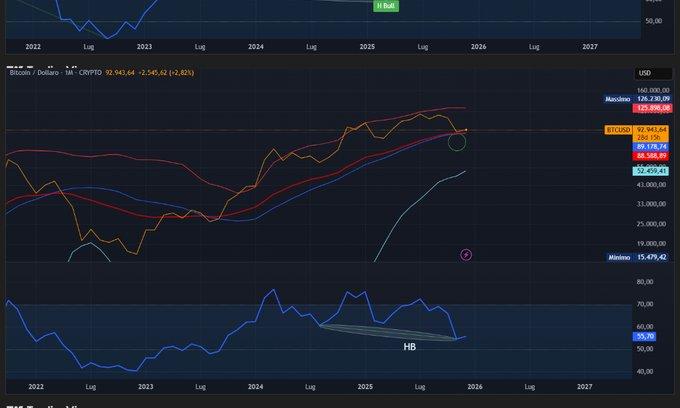
Crypto Winter is a tough time for the cryptocurrency world.
It's when the prices of big cryptocurrencies like Bitcoin and Ethereum drop a lot and stay low for a long time.
People stop trading and investing, and there's a lot of fear and doubt.
This happens because of big changes in the economy, like when interest rates go up, or when there are scandals in the crypto industry.
But even though it's hard, some people see it as a time to build better projects and make the crypto world stronger for the future.

Crypto Winter is characterized by a prolonged, significant drop in the value of major cryptocurrencies, often over 50-80% from their all-time highs, lasting for many months or years.
Market stagnation occurs, with trading volumes drying up and investor interest waning, leading to low liquidity and a lack of major price movements.
Pervasive pessimism sets in, with market sentiment shifting from 'fear of missing out' to 'fear, uncertainty, and doubt', causing a loss of funding for developers and new projects.
Crypto Winters are caused by a combination of macroeconomic factors, the bursting of speculative bubbles, industry scandals, and regulatory uncertainty.
Despite the challenges, Crypto Winters are seen by some as a necessary cleansing period that helps to build stronger, more sustainable projects in the crypto world.
- Who
- Investors, developers, and crypto enthusiasts
- What
- Crypto Winter, a prolonged period of decline and stagnation in the cryptocurrency market
- When
- Historically, major downturns have occurred in 2014-2015 and 2018, with the current one being ongoing
- Where
- Global cryptocurrency market
- Why
- Caused by a combination of macroeconomic factors, bursting of speculative bubbles, industry scandals, and regulatory uncertainty
- Prolonged Price Decline
- Sustained, significant drop in the value of major cryptocurrencies such as Bitcoin and Ethereum, often over a 50-80% loss from their all-time highs, lasting for many months, sometimes years.
- Market Stagnation
- Drying up of trading volumes and the feverish excitement of the bull market dissipate; investor interest wanes, leading to low liquidity and a lack of major movements in prices.
- Pervasive Pessimism
- Market sentiment dramatically changes from 'fear of missing out' to 'fear, uncertainty, and doubt'. Caution amongst investors leads to loss of funding amongst developers; new projects often freeze or fail.
- Macroeconomic Factors
- Global economic shifts, such as rising inflation, interest rate hikes by central banks like the U.S. Federal Reserve, and a general 'risk-off' sentiment in traditional finance, force investors to pull out money from highly volatile assets such as crypto.
- Bursting of Speculative Bubbles
- Many of the euphoric run-ups are driven by excessive speculation and leverage. If prices correct, the over-leveraged parts of the market collapse, sparking a rapid unwinding and selling in panic.
- Industry Scandals and Failures
- For example, any major collapse of big crypto lending firms, exchanges, or stablecoins-like the Terra-Luna ecosystem or FTX in 2022-strongly diminish investor confidence and cause massive sell-offs.
- Regulatory Uncertainty
- Increased scrutiny or the introduction of restrictive regulations can spook institutional investors and put downward pressure on prices.
- Surviving the Chill
- Crypto Winters traditionally are a part of the market cycle, with previous major downturns falling in 2014-2015 and 2018. Though they are brutal for speculative investors, they are often seen by builders and long-term believers as a necessary cleansing period.