4 hrs ago
J&K Monitored Bangladeshi Migrants Before Deporting First Group
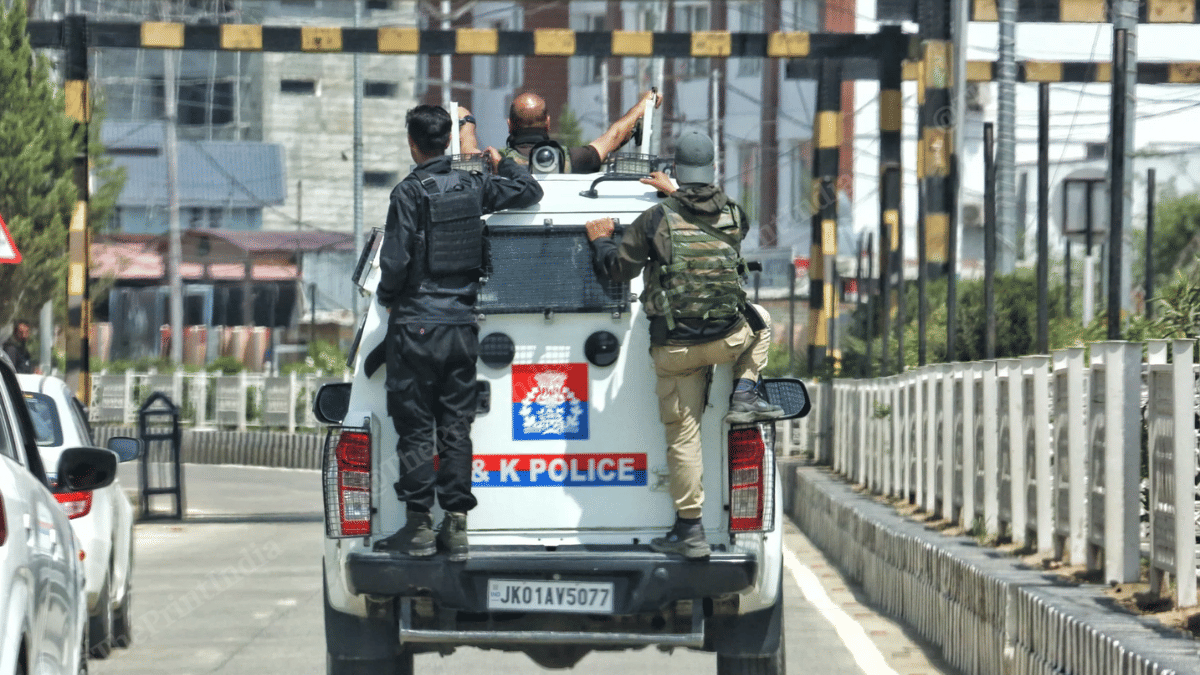
Police in Jammu and Kashmir said they had been checking migrant workers for seven months.
Workers were asked to show identity documents, including Aadhaar cards.
Police said some details did not match and that they had received information about foreign nationals.
Officials checked the identities and contacted Bangladesh to confirm the nationality of people identified.
On Monday, 150 Bangladeshi nationals were flown from Srinagar to Bagdogra, where they were handed to the Border Security Force.
Officials said another group of 150 was expected to be deported on 7 October.
Police estimated that about 600 Bangladeshi nationals were living in the Union Territory.
Separately, authorities in Jammu were evicting Rohingya settlements, leaving families homeless, according to the report.

Jammu and Kashmir Police said it had monitored migrant workers for seven months and checked their identities and documents, including Aadhaar cards.
Police said discrepancies in registration information and intelligence inputs about foreign nationals prompted further verification.
After Bangladesh confirmed the nationality of those identified, officials began deportation proceedings under the Foreigners Act.
The administration flew 150 Bangladeshi nationals from Srinagar to Bagdogra on Monday; officials said another 150 were due to be deported on 7 October.
Officials estimated around 600 Bangladeshi nationals were living in Jammu and Kashmir, while a separate eviction drive against Rohingya settlements was underway in Jammu.
- Who
- Jammu and Kashmir Police and administration, and Bangladeshi nationals identified in the Union Territory.
- What
- Authorities verified migrants and deported a first group of 150 Bangladeshi nationals, with another group of 150 scheduled to follow.
- Where
- Jammu and Kashmir; the first group was flown from Srinagar to Bagdogra, West Bengal.
- When
- Police said monitoring had lasted seven months; the first group was flown on Monday, and another group was due to be deported on 7 October.
- Why
- Police cited discrepancies in registration information and intelligence inputs about foreign nationals; officials said nationality was confirmed with Bangladesh before deportation proceedings.
Key facts
- Monitoring period
- Seven months, according to police.
- First group deported
- 150 Bangladeshi nationals.
- Next planned group
- Another 150, scheduled for 7 October.
- Flight route
- Srinagar to Bagdogra, West Bengal.
- Estimated Bangladeshi population
- Around 600 in Jammu and Kashmir, according to a police official.
- Stated legal basis
- The Foreigners Act.
- Separate action in Jammu
- An eviction drive against Rohingya settlements; the report says families were left homeless.
Quotes
Senior Jammu and Kashmir police officer
Police officer describing the migrant registration and verification process.
“A majority of them are putting up illegally in Kashmir and a very small number in Jammu. We have flown the first batch of 150 to Bagdogra in West Bengal from Srinagar. We will be flying another batch tomorrow.”
 theprint.in
“The details of these nationals were shared with authorities in Bangladesh. And once their nationality was confirmed, we initiated the process to deport them under provisions of the Foreigners Act.”
theprint.in
Sources
Related news

Kashmir Moves 150 Bangladeshis for Deportation After Probe
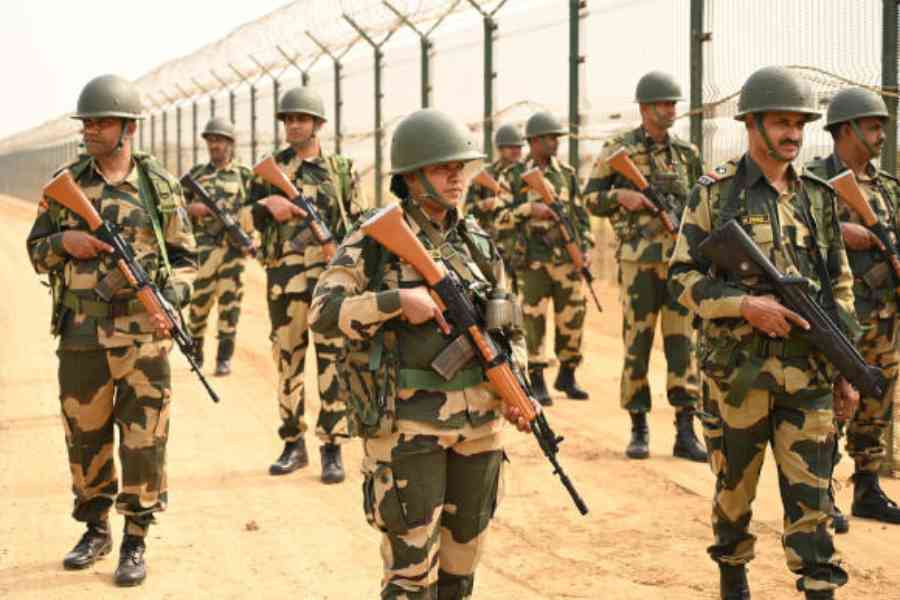
Jammu and Kashmir Flies 150 Bangladeshis to Bengal for Repatriation

160 Bangladeshi Nationals Deported from Bengaluru After Legal Formalities

Mumbai Police Arrest Six Over Alleged Forged Documents For Bangladeshis
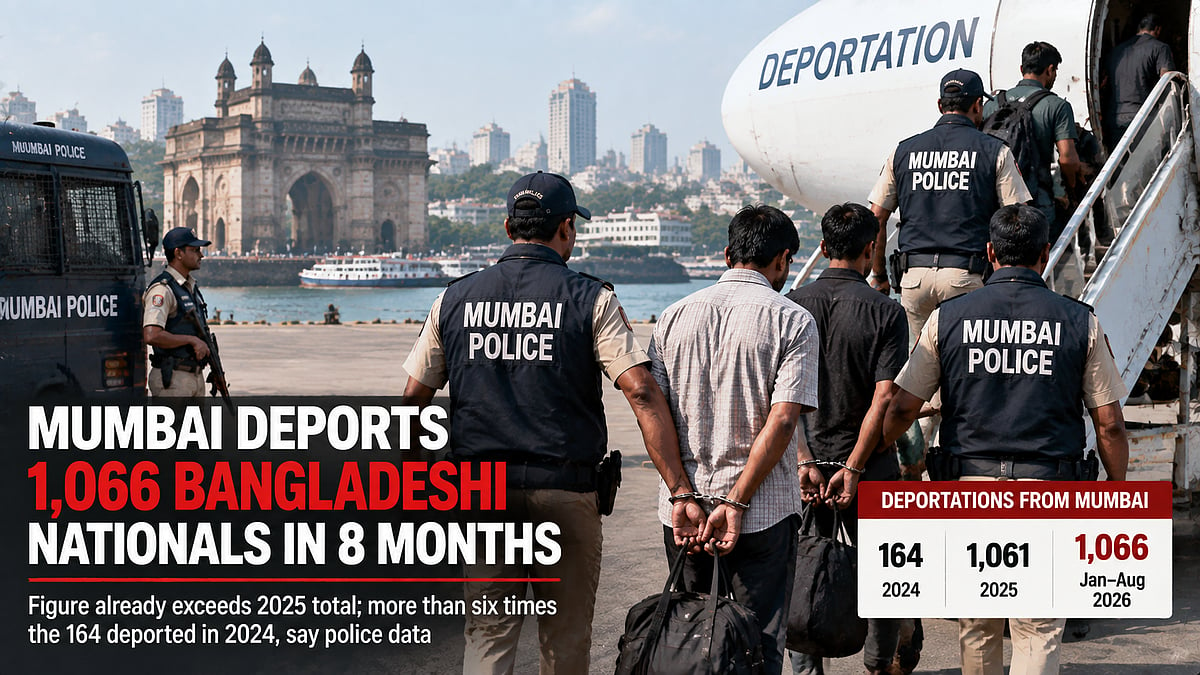
Mumbai Deports 1,066 Bangladeshi Nationals In Eight Months

Delhi Police Arrest Four Bangladeshi Nationals, Seize Smartphones
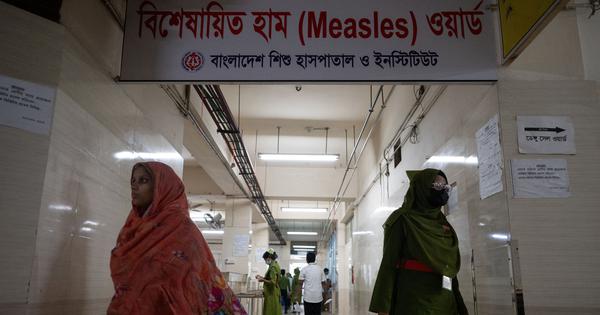
Bangladesh Measles Outbreak Highlights Urgent Need for Vaccination

Bangladesh Considers Dengue Vaccine Trials After 281 Deaths

Janhvi Kapoor Highlights Bengal Muslin at Paris Fashion Gala

Bashir Set to Keep England Central Contract Despite Limited Tests
World Bank Warns Bangladesh Growth Faces Banking and Energy Pressures