

Archive · 15 Aug 2025
India's Wildlife Conservation: A Centuries-Long Story
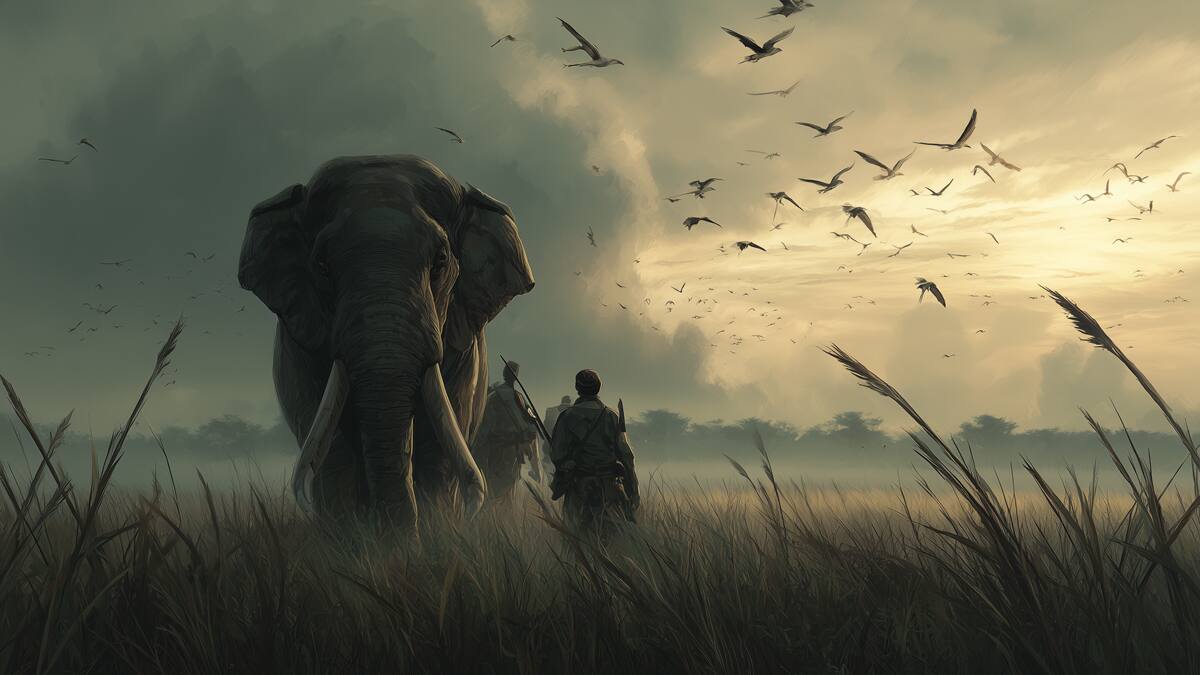
India has a long history of caring for animals, starting with respect in ancient times.
Even before there were strict rules, people honored animals like they were special teachers.
Later, laws were made, but when the British came, they hunted animals for fun.
After India became independent, it created laws and projects like Project Tiger to protect animals.
Now, India has many protected areas and is even bringing back animals like cheetahs, showing great progress in saving its wildlife.

India has a long history of wildlife reverence and conservation efforts.
Ancient India showed respect for animals, while the Mauryan era implemented early conservation laws.
British colonization led to significant wildlife destruction and selective conservation.
Post-independence, India enacted the Wildlife Protection Act and launched Project Tiger.
India now has over 1,000 protected areas, including the reintroduction of cheetahs.
- Who
- India, including ancient societies, colonial rulers, and modern conservationists.
- What
- A history of India's wildlife conservation efforts.
- When
- From ancient times to the present day.
- Where
- India.
- Why
- To preserve wildlife, protect heritage, and secure the country's future.
British Colonial Views
Modern Conservation Efforts
Wildlife Exploitation vs. Conservation
British Colonial Views
Wildlife destruction was acceptable for sport and resource extraction.
Modern Conservation Efforts
Wildlife protection was a growing concern among some and became a priority for post-independence India.
- Protected Areas
- Over 1,000
- First Conservation Law
- Mauryan era, Ashoka's edicts
- Wildlife Protection Act
- Enacted in 1972
- Project Tiger Launch
- 1973
- Tiger Population (India)
- More than 70% of world's tigers
- Cheetah Reintroduction
- Project Cheetah (2022)