

1 hr ago
Brazilian Presidential Candidates Campaign Across Country Before October Vote
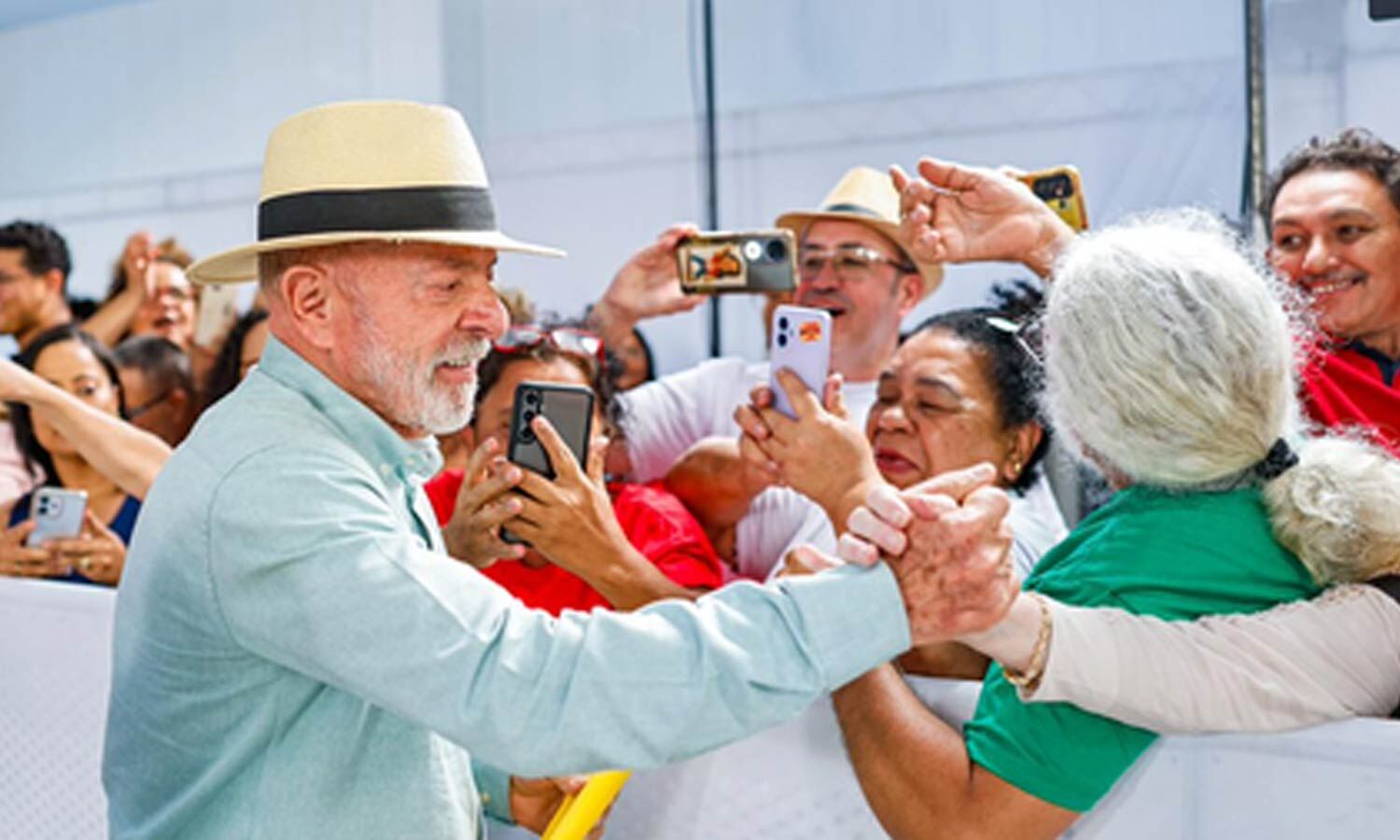
Brazil is preparing to vote for president on October 4.
Before the vote, candidates traveled around the country to meet voters.
Lula supported banning betting businesses and changing the usual work schedule.
Flávio Bolsonaro focused on oil investment and tougher punishments for crimes.
Romeu Zema talked about helping farmers with loans and insurance.
Renan Santos promised to reduce taxes and living costs.
Ronaldo Caiado opposed gambling and said religion should not be used as a political tool.
If no candidate gets more than half of the valid votes, the top two will compete in a second round.

Brazilian presidential candidates held marches, rallies and motorcades nationwide before the October 4 first-round vote.
Luiz Inácio Lula da Silva defended banning betting operations and renewed support for changing the six-days-on, one-day-off work schedule.
Flávio Bolsonaro promised offshore oil investment and promoted tougher criminal policies, including lower criminal-responsibility ages and chemical castration for some convicted rapists.
Romeu Zema advocated more agribusiness credit, crop insurance and lower interest rates, while Renan Santos campaigned on tax reductions.
Online gambling, taxes, agriculture, oil, crime and religious freedom emerged as prominent campaign issues.
- Who
- Brazil's presidential candidates, including Luiz Inácio Lula da Silva, Flávio Bolsonaro, Romeu Zema, Renan Santos, Ronaldo Caiado and Augusto Cury.
- What
- They conducted final-weekend campaign activities and presented differing positions on gambling, oil, taxes, agriculture, crime and other issues.
- Where
- Campaign events were held in São Paulo, Rio de Janeiro, Minas Gerais, Bahia, Sergipe, Goiás, Santa Catarina and Paraná.
- When
- The campaigning took place on the weekend before the first round, scheduled for October 4.
- Why
- Candidates were seeking support before the first round; the election will also affect Brazil's cooperation with India on energy, agriculture, climate negotiations and international institutions.
Stricter Regulation and State Action
Investment and Alternative Economic Priorities
Online gambling
Stricter Regulation and State Action
Luiz Inácio Lula da Silva defended a ban on betting operations and stronger action against clandestine businesses. Ronaldo Caiado also opposed betting, while Augusto Cury supported abolition or higher taxes.
Investment and Alternative Economic Priorities
The articles do not identify a candidate explicitly defending unrestricted online gambling; the issue was presented as a wider campaign debate.
Economic development
Stricter Regulation and State Action
Renan Santos emphasized reducing taxes and lowering the cost of the state, while Augusto Cury linked betting to economic and mental-health consequences.
Investment and Alternative Economic Priorities
Romeu Zema prioritized increased agricultural production through credit, crop insurance and lower interest rates. Flávio Bolsonaro emphasized investment in offshore oil production.
Crime and social policy
Stricter Regulation and State Action
Luiz Inácio Lula da Silva focused on workplace reform, including ending the six-days-on, one-day-off schedule.
Investment and Alternative Economic Priorities
Flávio Bolsonaro promoted a lower age of criminal responsibility, driving licences for minors and chemical castration for people convicted of raping women and children.
Religion in politics
Stricter Regulation and State Action
Ronaldo Caiado supported protecting religious freedom.
Investment and Alternative Economic Priorities
Ronaldo Caiado also opposed using religion as a political instrument, a position that distinguishes religious freedom from political exploitation of religion.
Key facts
- First-round date
- October 4
- Electoral system
- A candidate must receive more than 50 percent of valid votes to win in the first round; otherwise, the top two advance to a runoff.
- Lula's campaign
- He joined a march in eastern São Paulo, defended a ban on betting operations and supported ending the six-days-on, one-day-off work schedule.
- Flávio Bolsonaro's proposals
- He backed offshore oil investment in Sergipe, a lower age of criminal responsibility, driving licences for minors and chemical castration for some convicted rapists.
- Economic proposals
- Romeu Zema called for more agribusiness credit, crop insurance and lower interest rates; Renan Santos campaigned on reducing taxes.
- Gambling debate
- Ronaldo Caiado opposed betting and tougher advertising restrictions, while Augusto Cury supported abolishing betting or imposing higher taxes.
- International significance
- Brazil is described as a fellow BRICS and G20 member and a major Latin American partner of India.
Sources
Related news

Brazil’s Lula Announces Online Betting Ban Amid Tight Race
Lula Skips Brics Summit Amid Brazil’s Election Campaign
Lula's cautious Brazil election campaign faces misinformation and polarization concerns
Lula Warns Foreign Interference Could Threaten Brazil’s Upcoming Election
Bolsonaro Supporters Rally Against Lula Ahead Of Election