

Archive · 6 Sep 2026
India Flags Abhayrab Batch as Misbranded and Potentially Spurious
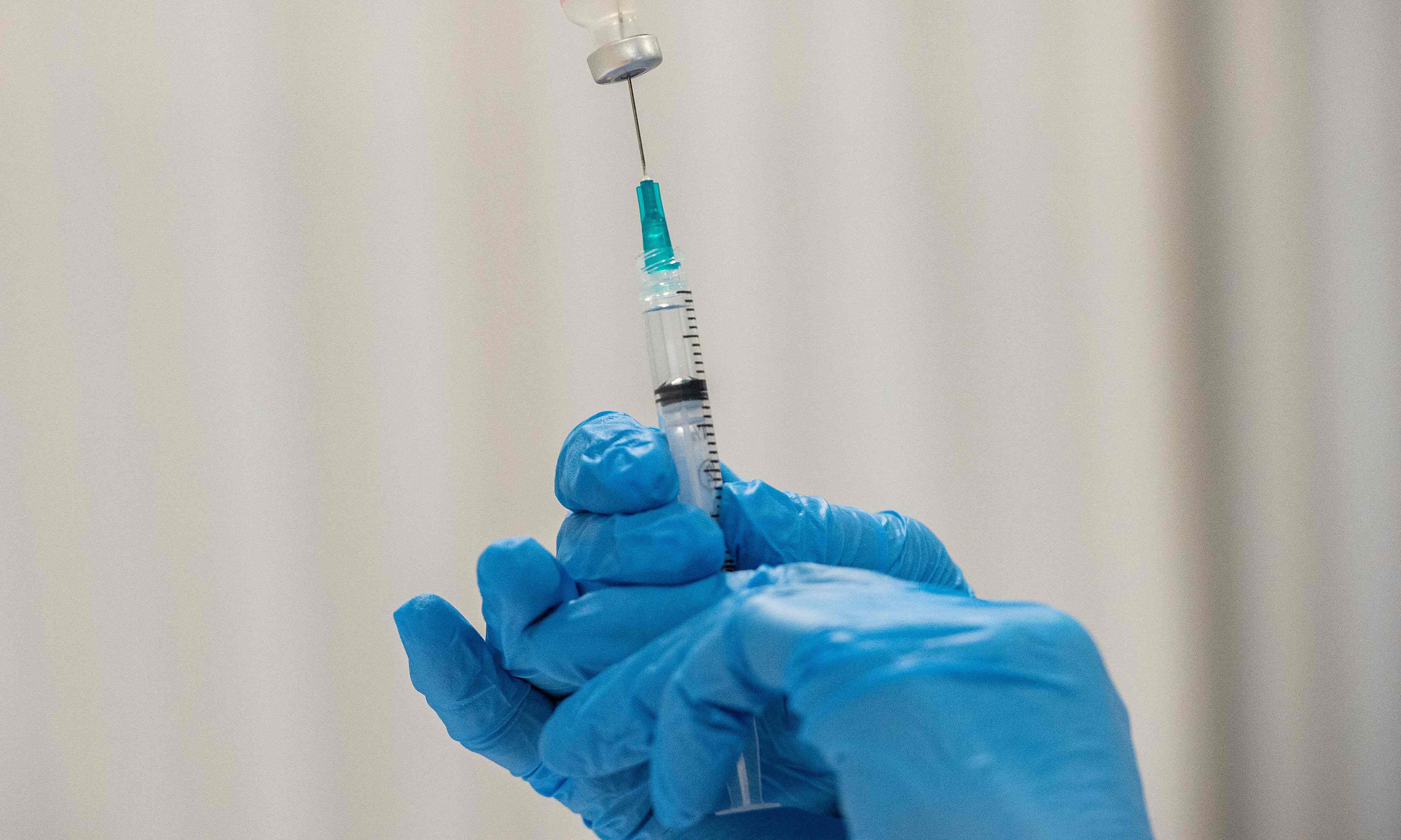
Officials in Delhi found vaccine vials labeled Abhayrab at an unlicensed location.
The vials belonged to a batch numbered KE25012.
A government laboratory said the sample did not meet the required potency level.
It classified the product as misbranded and not of standard quality.
The laboratory also found differences in labels, packaging, QR codes, caps and license details.
Indian Immunologicals said it did not make the seized vials.
Four people were reportedly arrested as investigators try to find where the vials came from.
Officials said no doses from the affected batch were exported.
The company said genuine Abhayrab sold through authorized channels was not affected.

Authorities seized Abhayrab-labeled batch KE25012 from an unlicensed residential premises in Mukherjee Nagar, Delhi, on April 22, 2026.
The Central Drugs Laboratory in Kasauli classified the product as misbranded and not of standard quality after it failed a potency requirement.
Four people were reportedly arrested, while authorities investigate whether the vials constitute a spurious drug under Indian law.
Indian Immunologicals Ltd said the seized vials were not made by the company and differed from retained samples in 17 ways.
Officials said no part of batch KE25012 was exported, while genuine vaccines supplied through authorized channels were unaffected.
- Who
- The Delhi Police Crime Branch, Delhi Drugs Control Department, Central Drugs Standard Control Organisation, Central Drugs Laboratory and Indian Immunologicals Ltd are involved; four people were reportedly arrested.
- What
- A batch of Abhayrab-labeled rabies vaccine, KE25012, was seized and classified as misbranded and not of standard quality after a potency concern.
- When
- The seizure occurred on April 22, 2026; related regulatory communications were dated August 27 and September 4.
- Where
- The vials were seized at an unlicensed residential premises in Mukherjee Nagar, Delhi, and tested at the Central Drugs Laboratory in Kasauli.
- Why
- Authorities are investigating the vials' identity and authenticity and whether they may constitute a spurious drug under the Drugs and Cosmetics Act.
Regulatory and law-enforcement findings
Manufacturer's position
Status and authenticity of the vials
Regulatory and law-enforcement findings
Authorities said the sample was misbranded and not of standard quality, and that its identity and authenticity warranted investigation as a possible spurious drug.
Manufacturer's position
Indian Immunologicals Ltd said the seized Abhayrab-labeled vials were not manufactured by the company and asked authorities to trace their source.
Evidence from laboratory testing
Regulatory and law-enforcement findings
The Central Drugs Laboratory said the sample failed a potency requirement, although it passed sterility, moisture and identity tests.
Manufacturer's position
Indian Immunologicals said the seized samples differed from its retained samples in 17 respects, including packaging and labeling features.
Risk to legitimate supplies
Regulatory and law-enforcement findings
The Drugs Controller General asked state drug regulators to maintain strict vigilance over the batch and take action under the Drugs and Cosmetics Act.
Manufacturer's position
Indian Immunologicals said vaccines supplied through authorized channels, including hospitals and licensed pharmacies, were unaffected.
- Affected batch
- KE25012
- Seizure location
- An unlicensed residential premises in Mukherjee Nagar, Delhi
- Laboratory finding
- The Central Drugs Laboratory, Kasauli, classified the product as misbranded and not of standard quality after a potency failure.
- Arrests
- Four people were reportedly arrested.
- Manufacturer's position
- Indian Immunologicals Ltd said the seized vials were not manufactured by the company.
- Testing differences
- The company said retained samples differed from the seized samples in 17 ways, including labeling, artwork, QR-code verification, cap color, license details and packaging text.
- Export and distribution status
- Authorities said no part of batch KE25012 was exported, while the original batch of 83,370 vials was distributed through authorized channels.
