

Archive · 28 Sep 2026
Abhay Oka Says Election Panel, Collegium Systems Cannot Be Compared
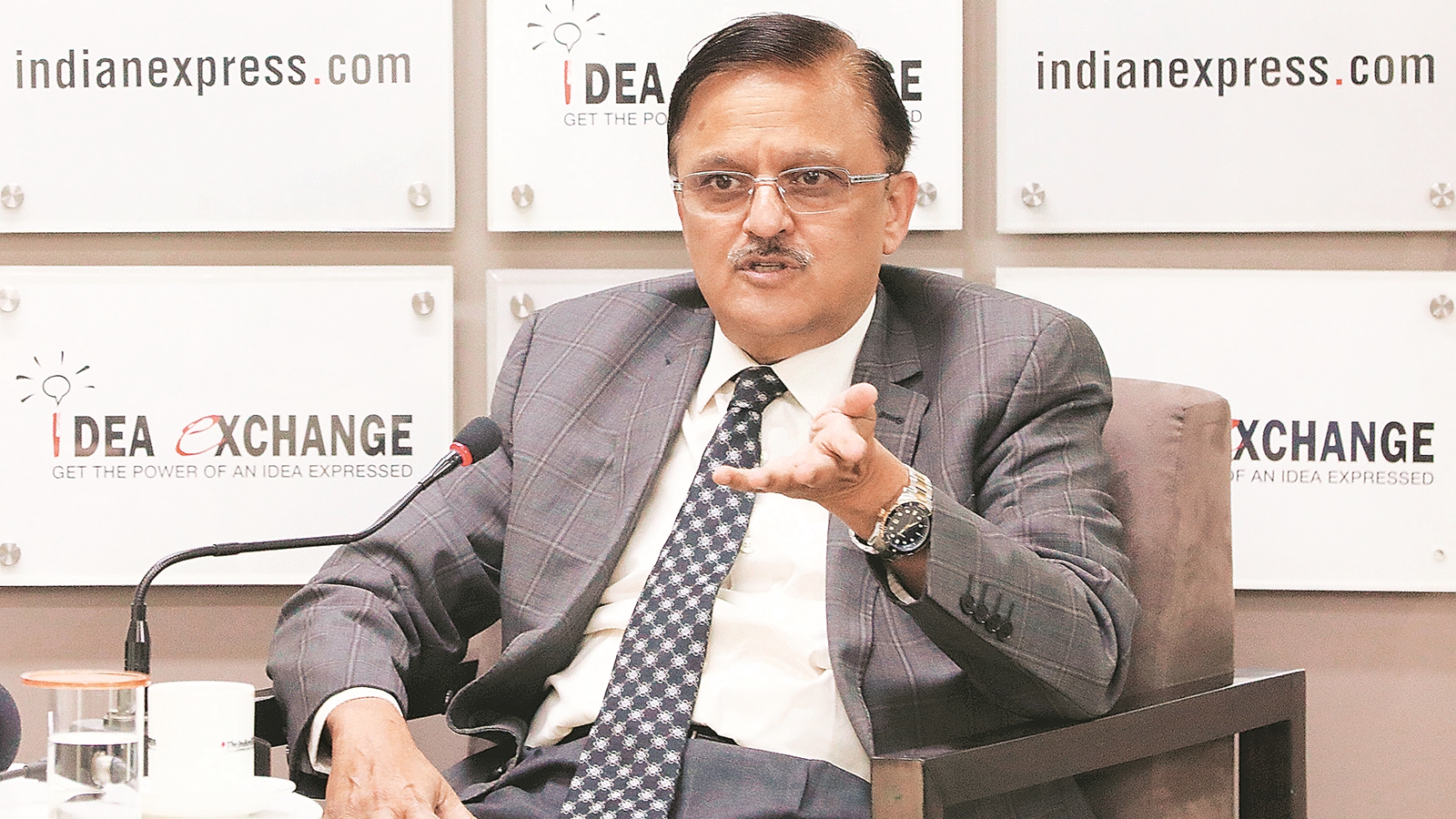
A former Supreme Court judge, Abhay Oka, compared two ways important officials are chosen.
One system chooses judges through a group called the Collegium.
The other system chooses election commissioners through a three-person panel.
Oka said these systems are not alike.
He explained that government officials are involved in several stages of choosing judges.
He also said some judge recommendations can remain pending for a long time.
The dispute concerns a 2023 law about appointing election commissioners.
On September 24, two Supreme Court judges disagreed about whether the case should go to a larger group of judges.
The case also involved arguments about how judges themselves are appointed.

Retired Supreme Court judge Abhay S Oka said the Collegium system and the election commissioners’ appointment panel are fundamentally different.
Oka said executive authorities participate in judicial appointments through objections, intelligence inquiries and the central government’s views.
He said the government must act on a reiterated Collegium recommendation, but alleged delays mean some recommended judges remain pending.
The 2023 law creates a three-member panel to appoint the chief election commissioner and other election commissioners.
A Supreme Court bench delivered a split verdict on September 24 over whether challenges to the law should be referred to a larger bench.
- Who
- Retired Supreme Court judge Abhay S Oka, Justices Dipankar Datta and S C Sharma, and petitions challenging the 2023 appointment law.
- What
- Oka said the Collegium system for appointing judges cannot be compared with the three-member panel for appointing the chief election commissioner and election commissioners.
- When
- The split verdict was delivered on September 24; Oka’s comments were made in an interview afterward, with no interview date specified.
- Where
- The issue arose in Supreme Court proceedings, and Oka’s comments appeared in an interview with The Indian Express.
- Why
- Petitioners are challenging the Chief Election Commissioner and Other Election Commissioners (Appointment, Conditions of Service and Term of Office) Act, 2023, including its appointment process.
Oka’s distinction
Comparison in the legal challenge
Whether the systems are comparable
Oka’s distinction
Abhay Oka said the judicial Collegium and the election commissioners’ appointment panel are completely different and cannot be treated as equals.
Comparison in the legal challenge
During arguments, the government drew a parallel between the Supreme Court Collegium system and the system for appointing election commissioners.
Referral to a larger bench
Oka’s distinction
Justice Dipankar Datta declined to refer the petitions challenging the 2023 law to a larger bench.
Comparison in the legal challenge
Justice S C Sharma disagreed with Justice Datta, producing a split verdict on the issue.
Government role in judicial appointments
Oka’s distinction
Oka said the executive is involved through objections by governors and chief ministers, Intelligence Bureau inquiries and the central government’s views.
Comparison in the legal challenge
Justice Datta defended the judicial appointment system while criticising the Centre for selectively clearing names recommended by the Supreme Court Collegium.
- Law under challenge
- Chief Election Commissioner and Other Election Commissioners (Appointment, Conditions of Service and Term of Office) Act, 2023
- Election appointment panel
- A three-member panel selects the chief election commissioner and other election commissioners under the law.
- Verdict
- The Supreme Court bench issued a split verdict on September 24.
- Justice Datta’s position
- Justice Dipankar Datta declined to refer the petitions to a larger bench.
- Justice Sharma’s position
- Justice S C Sharma differed from Justice Datta’s opinion.
- Oka’s central argument
- The Collegium and election appointment panel involve different structures and levels of consultation.
- Executive role in judicial appointments
- Oka said governors, chief ministers, the Intelligence Bureau and the central government are involved at different stages.