

Archive · 14 Dec 2025
Gen Z Embraces Minimalism for Happiness
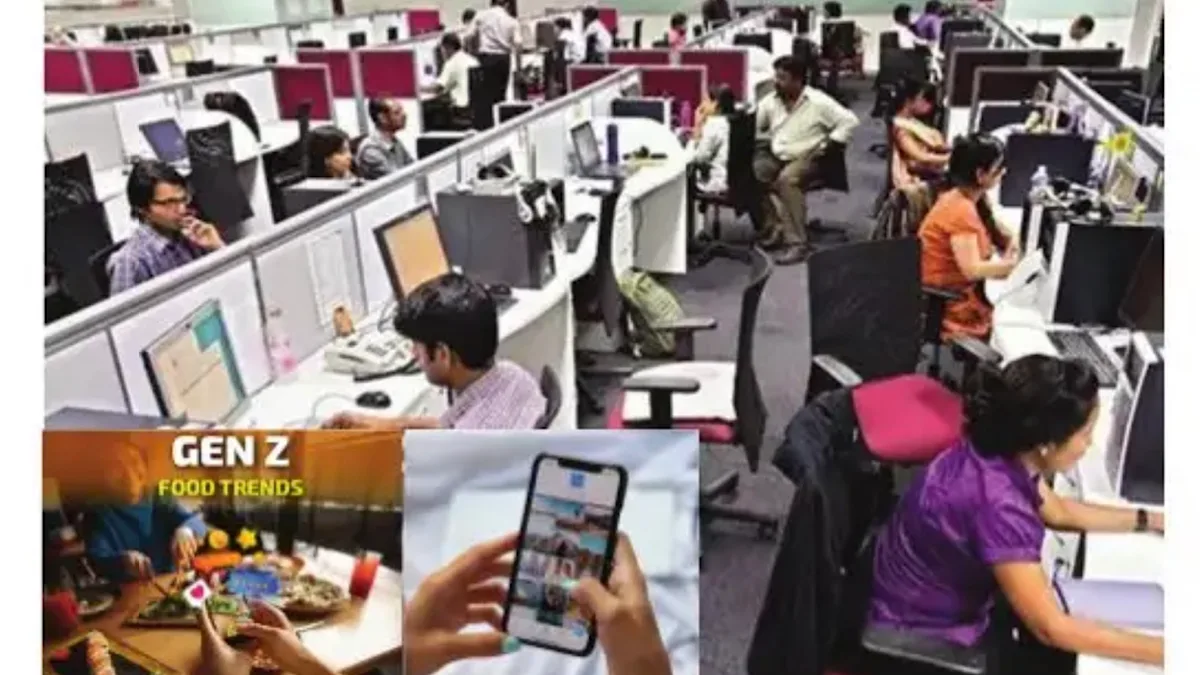
Many people, especially those in Gen Z, are feeling unhappy even though they have a lot of stuff.
They work very hard but still feel stressed, lonely, and depressed.
They realize that having more things doesn't make them happy.
Instead, they find happiness in living simply, with fewer possessions.
This way of living is called minimalism.
It helps them feel more in control of their time and lives.
Minimalism is not new; ancient philosophers and cultures also talked about living simply.
Today, people are adopting minimalism in different ways, like traveling with few belongings or using fewer digital devices.
This trend is helping people feel happier and more peaceful.

Gen Z is turning to minimalism to find happiness and reduce stress.
Minimalism emphasizes living with fewer possessions and focusing on experiences.
Ancient philosophies like 'Mottainai' and 'Aparigraha' influence modern minimalism.
Nomadic minimalism and digital minimalism are popular trends.
Minimalism helps reduce environmental impact and promotes well-being.
- Who
- Gen Z and millennials
- What
- Embracing minimalism for happiness and well-being
- When
- Post-pandemic era
- Where
- Globally
- Why
- To find peace, reduce stress, and live more fulfilling lives
- Generation
- Gen Z
- Philosophy
- Minimalism
- Key Figures
- Joshua Becker, Hale Aydin
- Ancient Influences
- Diogenes, Thoreau
- Modern Trends
- Nomadic Minimalism, Digital Minimalism
- Cultural Concepts
- Mottainai, Aparigraha
- Impact
- Reduced stress, increased happiness
- Environmental Impact
- Reduced waste