

Archive · 22 Aug 2025
Experts on Emergency Funds: How Much and Where to Keep
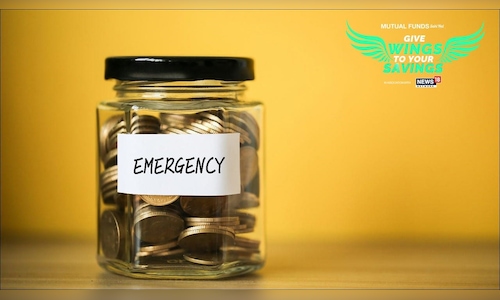
Imagine you need money quickly for something unexpected, like a doctor's bill.
An emergency fund is like a special savings account just for these times.
Experts say you should save enough to cover 3 to 6 months of your regular expenses, and maybe more if your income changes a lot.
This fund should be used for important bills, like rent and food.
Safe places to keep the money are savings accounts or special funds that are easy to access.
Avoid putting this money in investments that are hard to get back quickly.

Emergency funds help manage unexpected expenses like medical bills or job loss.
Fund size should cover 3-6 months of expenses, potentially 9-12 months for those with irregular income.
Essential expenses and debt obligations (rent, groceries, etc.) should be covered by the fund.
Savings accounts, FDs, liquid/ultra-short duration mutual funds are recommended for easy access.
Experts advise against risky assets like equities or long-term bonds for emergency funds.
- Who
- Financial experts and advisors.
- What
- The article discusses the importance and management of emergency funds.
- When
- Not specified in the article.
- Where
- Not specified in the article.
- Why
- To help individuals manage unexpected expenses and avoid debt or risky investments.
- Recommended Fund Size
- 3-6 months of expenses (or 9-12 for some)
- Expenses Covered
- Essential expenses and debt obligations
- Safe Investment Options
- Savings accounts, fixed deposits, liquid/ultra-short duration mutual funds
- Risky Investments (to avoid)
- Equities and long-term bonds
- Liquid Fund Yields
- 5-7%
- Ultra-Short Duration Fund Yields
- 6-7%