

Archive · 20 Jul 2026
Ram Temple Construction Faces Allegations of Irregularities
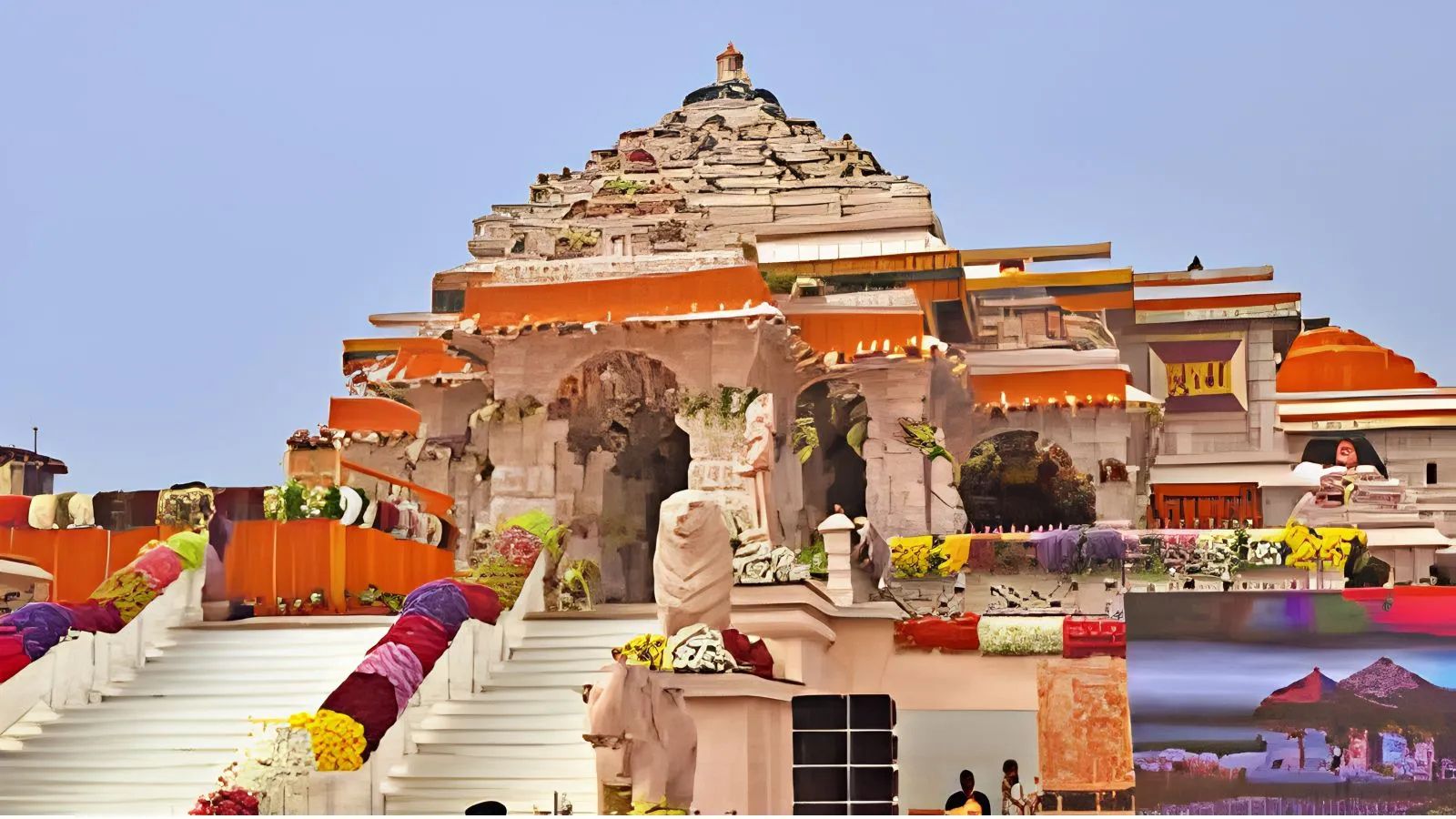
The Ram Janmabhoomi temple in Ayodhya was built with the support of the government, but without any oversight.
Now, there are allegations of wrongdoing involving land deals, construction contracts, and valuable items like gold and silver.
The Supreme Court has ruled that managing temple assets is a secular matter, not a religious right.
The temple is managed by a board that includes spiritual leaders, government representatives, and wealthy devotees.
The court's decision and the current allegations highlight the need for transparency and accountability in managing such important religious sites.

The Ram Janmabhoomi temple in Ayodhya was built with state support but without state oversight.
Allegations of irregularities include loot from land deals, construction contracts, and chadavas containing gold, silver, and cash.
The Supreme Court ruled that managing temple assets is a secular matter, negating the religious right claimed by the Tilkayat ji.
The temple board is a unique blend of spiritual lineage, state supervision, and prominent devotees like the Ambanis.
The need for state oversight is emphasized to ensure transparency, accountability, and institutional integrity.
- Who
- Ram Janmabhoomi temple in Ayodhya
- What
- Allegations of irregularities in land deals, construction contracts, and chadavas
- When
- Not specified
- Where
- Ayodhya, India
- Why
- To ensure transparency, accountability, and institutional integrity
- Temple
- Ram Janmabhoomi temple in Ayodhya
- Controversy
- Alleged loot from land deals, construction contracts, and chadavas
- Supreme Court Ruling
- Negated religious right to manage temple assets, holding it as a secular matter
- Temple Management
- Unique blend of spiritual lineage, state supervision, and prominent devotees
- State Support
- Built with state support but without state oversight